- New Arrivals
[Oriental Series] 153cm/5ft F-cup Silicone Collectible Lifelike Dolls – Yuna, Head S14 ROS MAX
Original price was: $2,794.00.$2,694.00Current price is: $2,694.00.[Oriental Series]168cm (5’6″) Realistic Textured Skin Silicone Collectible Lifelike Dolls – Scarlett ,Head R5 RosMax
Original price was: $3,360.00.$3,260.00Current price is: $3,260.00.159cm (5’2″) H-cup Real Skin Textured Silicone Premium Collectible Figures – Lena, Head Ros maxR8
Original price was: $3,310.00.$3,210.00Current price is: $3,210.00.[Oriental Series] 153cm/5ft F-cup Silicone Collectible Lifelike Dolls – Yuna, Head T1
Original price was: $2,794.00.$2,694.00Current price is: $2,694.00.159cm (5’2″) H-cup Real Skin Textured Silicone Collectible Lifelike Dolls – Hailey head Ros maxR9
Original price was: $3,310.00.$3,210.00Current price is: $3,210.00.159cm (5’2″) H-cup Real Skin Textured Silicone Premium Collectible Figures – Hailey head Ros maxR9
Original price was: $3,310.00.$3,210.00Current price is: $3,210.00. - Brands & IN Stock
- Create Your Own


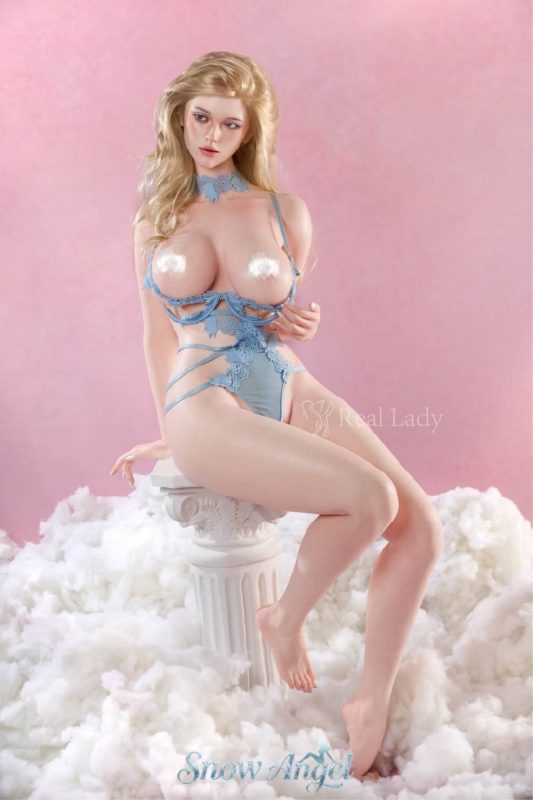
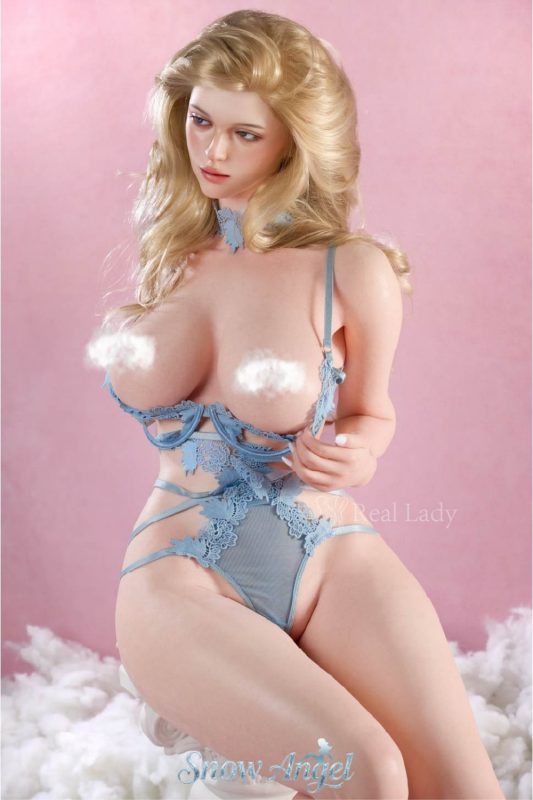
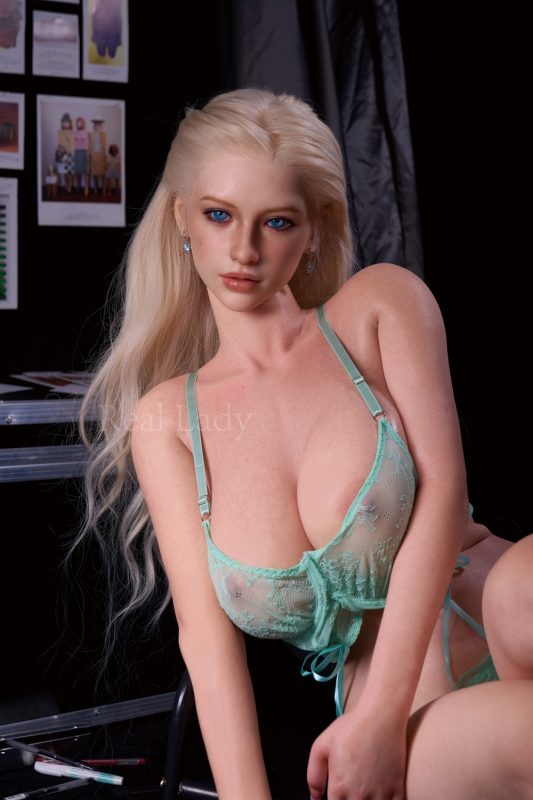



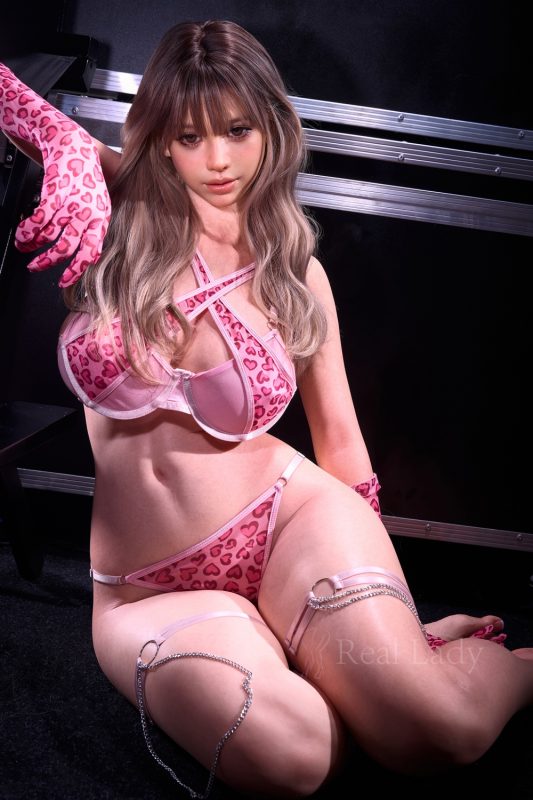
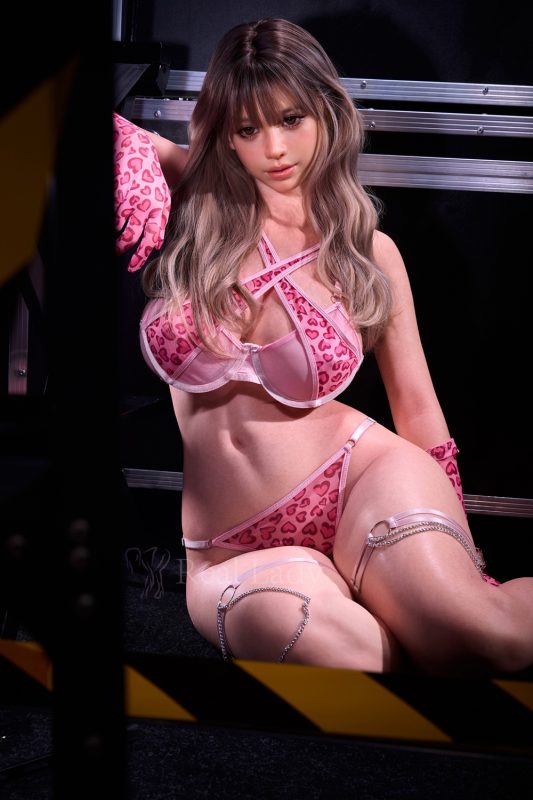






















The realistic sex doll market in 2026 separates into four distinct quality tiers: Premium Japanese-inspired (4,000−4,000−12,000), High-end Chinese (2,500−2,500−5,000), Mid-range Chinese (1,200−1,200−2,500), and Budget (600−600−1,200). No single brand dominates every category. The best brand depends on your budget, material preference (TPE vs silicone), and whether you prioritize head sculpt quality, body durability, or customization depth.
⚠️ Age Restriction Notice: This content is intended for adults 18 years and older. The realistic doll industry serves consenting adults. All purchasing decisions should be made responsibly and in accordance with local laws.
We have spent 14 months evaluating dolls across manufacturers, testing durability, documenting quality variance, and tracking buyer satisfaction. What we found defies the marketing narrative. There is no single “best” brand. There are brands that excel at specific things and brands that fail at specific things. Here is the 2026 landscape, as it actually is.
How We Evaluate Brands (Our Methodology)
Before the rankings, the methodology matters. We evaluate brands across six dimensions:
- Material quality — TPE or silicone formulation, consistency between batches, durability over time
- Head sculpt realism — Anatomical accuracy, ethnic diversity, eye and facial detail
- Structural integrity — Skeleton quality, joint durability, standing foot systems
- Customization depth — Available options, quality of custom work, lead times
- Quality control consistency — Defect rates, return experience, customer support responsiveness
- Value at price tier — Whether the product justifies its price relative to competitors at the same level
We do not accept manufacturer sponsorships, paid placements, or affiliate commissions.
The 2026 Brand Tier Landscape
Tier 1: Premium / Japanese-Inspired (4,000−4,000−12,000)
These brands operate at the top of the market. Pricing reflects materials, artisan labor, and quality control standards that exceed industry norms.
What you get:
- Medical-grade silicone with consistent batch-to-batch quality
- Hand-finished head sculpts with anatomical detail at near-lifelike levels
- Skeleton systems with premium joint engineering
- Extended warranties and responsive customer support
- Full customization with reasonable lead times
What you pay for: Primarily head sculpt quality and surface finishing. The gap between Tier 1 and Tier 2 is most visible in facial detail — particularly eye work, lip texture, and skin surface realism.
Buyer profile: Buyers who prioritize maximum realism and have the budget to match. First-time buyers at this tier tend to report the highest satisfaction, primarily because they have no baseline comparison to lower tiers.
Tier 2: High-End Chinese Manufacturers (2,500−2,500−5,000)
This is the most competitive tier. High-end Chinese manufacturers have closed much of the quality gap with Japanese brands while maintaining price advantages of 30-50%.
What you get:
- High-quality TPE or silicone formulations that rival Tier 1 in durability
- Head sculpts designed in-house or by contracted artists, with significant ethnic diversity
- Skeleton systems with robust joint engineering
- Good customization depth, particularly in body type and skin tone options
- Reasonable quality control with documented defect rates
What you pay for: In this tier, you are primarily paying for the quality of the head sculpt and the surface finishing. Body construction is often comparable to Tier 1. The finishing detail — particularly in facial features and skin texture — is where the remaining gap exists.
The honest reality: Several Tier 2 manufacturers produce head sculpts that rival Tier 1 at 60% of the price. The differentiation between Tier 1 and Tier 2 has narrowed significantly in the past three years.
Buyer profile: Buyers who want premium quality without premium pricing. This is where most experienced buyers end up on their second or third purchase.
Tier 3: Mid-Range Chinese (1,200−1,200−2,500)
The workhorse tier. The majority of realistic dolls sold globally fall here. Quality variance within this tier is high — some manufacturers punch well above their price class, others cut corners in ways that are not always visible in factory photos.
What you get:
- Standard TPE or silicone formulations
- Head sculpts that read as realistic at normal viewing distance but show limitations up close
- Functional skeleton systems with average joint durability
- Standard customization options — body type, skin tone, eye type, wig
- Acceptable quality control with some batch variance
The real concern: This tier has the widest quality variance. A 1,800dollfromonemanufacturermayoutperforma1,800dollfromonemanufacturermayoutperforma2,200 doll from another. The spread between the best and worst in this tier is larger than the gap between Tier 2 and Tier 3.
How to navigate: Focus on head sculpt photos taken at close range. If the eye detail and lip texture look convincing up close, the rest of the doll is likely comparable. If the factory photos avoid close facial shots, that is a signal.
Buyer profile: First-time buyers with a defined budget, or buyers who prioritize body type and customization over maximum facial realism.
Tier 4: Budget Entry (600−600−1,200)
Budget dolls have improved. The gap between Tier 4 and Tier 3 is smaller today than it was three years ago. That said, the trade-offs are real.
What you get:
- Basic TPE formulations with acceptable durability for the price
- Generic head sculpts without ethnic specificity
- Standard skeleton systems with limited articulation
- Minimal customization — usually body height and skin tone only
- Higher defect rates and less responsive customer support
What breaks first: In budget dolls, joint integrity and surface material consistency are the most common failure points. Standing foot systems fail more frequently. Skin surface imperfections are more common.
Buyer profile: Buyers with hard budget constraints, or buyers purchasing their first doll primarily for evaluation before committing to a higher-tier purchase.

Brand Selection by Priority
Different buyers prioritize different things. Here is how the tiers map to priorities:
| Priority | Best Tier | Why |
| Maximum realism | Tier 1 or Tier 2 | Head sculpt quality and surface finishing |
| Best value for money | Tier 2 | Best balance of quality and price |
| Customization depth | Tier 1 or Tier 2 | More options, better execution |
| Budget under $1,500 | Tier 3 (carefully selected) | Research specific manufacturers |
| Silicone preference | Tier 1 or Tier 2 | Better silicone quality control |
| TPE preference | Tier 2 or Tier 3 | TPE quality is more variable at lower tiers |
| Ethnic aesthetic options | Tier 2 | Most head sculpt diversity at reasonable prices |
The Red Flags to Watch For in 2026
The market has matured, but the scams and low-quality operators have not disappeared. Here is what to watch for:
Factory photos that never show close-ups — If every factory photo is a full-body studio shot with perfect lighting, you are not seeing the details that matter. Legitimate manufacturers provide close-range facial photos.
Prices too low for the tier — If a silicone doll at premium quality is priced at budget-tier rates, the materials or construction are not what the listing claims.
No quality guarantee or return policy — Reputable manufacturers stand behind their products. Vague or nonexistent return policies are a warning sign.
“Exclusive” or “proprietary” materials with no specification — Materials should be named. “Premium TPE” or “medical-grade silicone” should have supporting documentation or at least a spec sheet.
Reviews that are all five stars with no detail — Pattern-reviewed products with generic five-star feedback are suspect. Look for reviews with specific detail about what was purchased and what the buyer’s experience was.
The 2026 Trend: What Is Actually Changing
Three trends are reshaping the brand landscape this year:
AI-assisted head sculpting — Some manufacturers are using AI tools to generate head sculpt variations more quickly, which increases ethnic diversity in sculpt portfolios. The quality impact is mixed — AI-assisted sculpts can look generic if not properly refined by human artists.
Silicone quality standardization — Better raw material supply chains have raised the floor for silicone quality across tiers. The gap between budget silicone and mid-range silicone has narrowed.
Direct-to-consumer models — More manufacturers are selling directly to buyers, bypassing distributors. This reduces price for buyers but also removes the quality buffering that distributors sometimes provide through their own inspection processes.
How to Choose the Right Brand for You
There is no universally correct answer. The right brand depends on your specific situation:
If this is your first doll: Start with Tier 3. You will learn what matters to you — head realism, body feel, skin texture, weight — through experience. A 1,500−1,500−2,000 purchase teaches you more than a $5,000 purchase, and the lesson costs less.
If you want maximum realism and budget is not tight: Tier 1 or Tier 2. Head sculpt quality at this level is genuinely impressive.
If you want the best value: Tier 2, specifically manufacturers with strong in-house head sculpt teams. The quality-to-price ratio in this segment has never been better.
If budget is your hard limit: Tier 3, with careful manufacturer research before purchase. Use forums, ask specific questions, and request close-range photos before committing.
Ready to browse options at different price tiers? Explore our full doll collection organized by material and body type, or contact our team for personalized recommendations based on your specific priorities.
Frequently Asked Questions
Q: Are Japanese dolls really worth the premium over Chinese manufacturers?
A: For head sculpt quality and surface finishing, yes — in most cases. The gap has narrowed significantly, and some Tier 2 Chinese manufacturers match or exceed specific Japanese brands. But the consistency and quality control at the top Japanese tier is still the industry benchmark. If head sculpt realism is your top priority and budget allows, Tier 1 is justified.
Q: How do I verify a brand’s actual quality before purchasing?
A: Request close-range photographs of the head sculpt in natural light — not studio lighting. Ask for video of joint articulation. Request references or direct buyer testimonials. Check independent forums and community reviews, not just the manufacturer’s own testimonials. Reputable manufacturers accommodate these requests; those who refuse should be treated with caution.
Q: Do budget brands improve significantly over time?
A: Yes, but slowly. Budget-tier quality has improved meaningfully in the past three years. However, the fundamental trade-offs — less refined head sculpts, higher defect rates, less customization — remain. Budget brands are a good entry point, not a destination for buyers who want premium quality.
Q: What is the most common mistake buyers make when choosing a brand?
A: Buying based on factory photography alone. Studio photos under perfect lighting obscure surface imperfections and hide head sculpt limitations. Always request close-up photos in varied lighting before purchasing from any tier.
Q: Is direct-to-consumer purchasing safer or riskier than buying through a distributor?
A: Neither inherently. Direct purchase removes the distributor margin (saving you money) but also removes a layer of quality inspection. Reputable manufacturers — whether selling direct or through distributors — provide guarantees, accept returns, and respond to quality issues. Focus on the manufacturer’s track record, not the sales channel.