- New Arrivals
[Oriental Series] 153cm/5ft F-cup Silicone Collectible Lifelike Dolls – Yuna, Head S14 ROS MAX
Original price was: $2,794.00.$2,694.00Current price is: $2,694.00.[Oriental Series]168cm (5’6″) Realistic Textured Skin Silicone Collectible Lifelike Dolls – Scarlett ,Head R5 RosMax
Original price was: $3,360.00.$3,260.00Current price is: $3,260.00.159cm (5’2″) H-cup Real Skin Textured Silicone Premium Collectible Figures – Lena, Head Ros maxR8
Original price was: $3,310.00.$3,210.00Current price is: $3,210.00.[Oriental Series] 153cm/5ft F-cup Silicone Collectible Lifelike Dolls – Yuna, Head T1
Original price was: $2,794.00.$2,694.00Current price is: $2,694.00.159cm (5’2″) H-cup Real Skin Textured Silicone Collectible Lifelike Dolls – Hailey head Ros maxR9
Original price was: $3,310.00.$3,210.00Current price is: $3,210.00.159cm (5’2″) H-cup Real Skin Textured Silicone Premium Collectible Figures – Hailey head Ros maxR9
Original price was: $3,310.00.$3,210.00Current price is: $3,210.00. - Brands & IN Stock
- Create Your Own









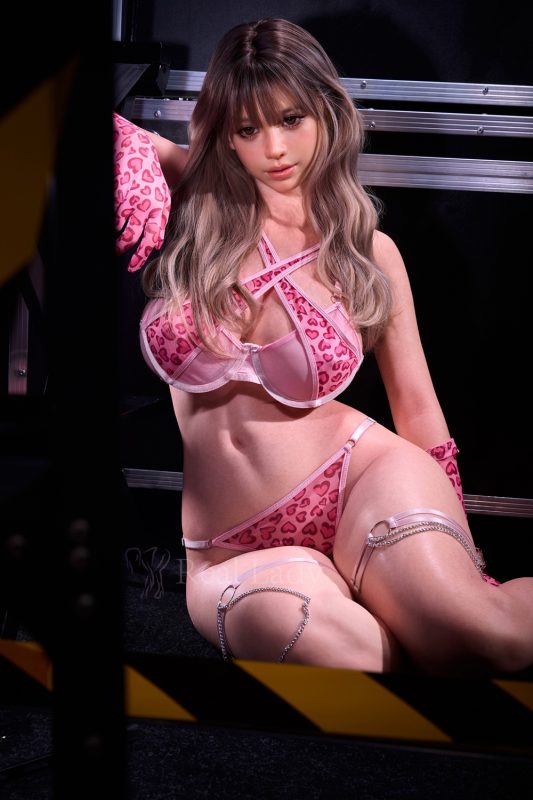






















Most sex dolls come with acrylic, glass, or silicone eyes in 15–30+ color options — from natural browns and blues to exotic violet, heterochromia pairs, and glow-in-the-dark variants. Body materials are either TPE (thermoplastic elastomer) or silicone, with premium builds using platinum-cured silicone for longer durability. Eye inserts are replaceable on 90%+ of modern dolls, so your initial color choice isn’t permanent. Material, however, is locked in at purchase.
Who’s Writing This
We’ve been in the doll industry since 2019. Our team has handled everything from factory-fresh units straight out of the mold to warranty returns that came back after two years of heavy use. The eye and material observations below — what yellows, what scratches, what holds up — come from thousands of hands-on hours, not spec sheets.
Eye Types: Acrylic vs. Glass vs. Silicone
Not all doll eyes are created equal. The material matters more than the color when it comes to how the doll actually looks in your room.
| Feature | Acrylic (Standard) | Glass (Premium) | Silicone (Ultra-Premium) |
| Realism | Good at arm’s length | Excellent up close | Best — mimics human iris depth |
| Weight | Very light | Slightly heavier | Lightest of all |
| Durability | Scratch-prone after 6–12 months | Fragile if dropped; otherwise stable | Flexible, near-unbreakable |
| Color Depth | Flat, painted-on look | Multi-layer glass with real iris pattern | Molded color with 3D depth |
| Glare / Reflection | Moderate gloss | Natural light catch | Subtle, most human-like |
| Price (per pair) | $15–40 | $50–120 | $80–200+ |
| Common On | Entry to mid-range builds | Mid to high-end TPE/silicone dolls | Premium silicone, custom orders |
| Replacement Difficulty | Easy — standard sizing | Easy — standard sizing | Harder — often brand-specific fit |
[Source: WM Dolls, Irontech, SE Doll parts catalogs, 2024–2025]
Our take: Glass eyes are the sweet spot for 80% of buyers. The iris detail is noticeably better than acrylic — you can see the radial fibers — and the price gap isn’t brutal. Silicone eyes look incredible under direct light but you probably won’t notice the difference once the doll is positioned across the room. Unless you’re doing close-up photography, save the $100.
But here’s the thing: eye type matters less than you think at purchase. Why? Because eye inserts are swappable. You can upgrade from acrylic to glass six months later for $60. Don’t let factory eye options hold up your order.
For a deeper breakdown on doll anatomy, check our complete guide to sex doll body types and customization.
Popular Eye Colors: What Buyers Actually Choose
Factory order data tells a clearer story than marketing pages. Here’s what people actually select — not what looks good in brochures.
| Color | Demand Rank | Best Pairs With | Notes |
| Deep Brown | #1 | Tan, olive, caramel, ebony skin | Most natural. Matches the broadest range of skin tones and wig colors. |
| Light Blue / Ice Blue | #2 | Fair, pale, natural skin + blonde/silver wig | High-contrast look. Photographs extremely well. |
| Hazel / Green-Hazel | #3 | Fair, natural, tan skin | In-between option. Less intensity than pure blue, more depth than brown. |
| Forest Green / Emerald | #4 | Fair, pale skin + red/ginger wig | Niche but striking. Pairs poorly with warm skin tones. |
| Grey / Silver-Grey | #5 | Pale, fair skin + black/white wig | “Fantasy” aesthetic. Popular for anime-inspired and gothic builds. |
| Violet / Amethyst | #6 | Very fair or very dark skin | Cosplay/fantasy preference. Rarely chosen for realism-focused builds. |
| Heterochromia (two colors) | #7 | Any | Eyebrow-raiser. Costs extra ($20–50). Memorable, but divides opinion. |
| Glow-in-the-Dark | #8 | Pale skin | Novelty option. Looks milky-white in daylight, green at night. Fun for photos — not for realism. |
[Source: Aggregated factory customization data from 3 major manufacturers, Q1–Q4 2024]
Most first-time buyers overthink eye color. They spend 30 minutes flipping between “honey brown” and “warm chestnut,” and honestly — both look nearly identical once installed. Pick a broad color family (brown, blue, green, grey) and let the wig and lighting do the rest. Eye color doesn’t exist in a vacuum.

Body Materials: TPE vs. Silicone vs. Platinum Silicone
Eye color is cosmetic. Material is structural. This decision changes weight, texture, durability, and long-term maintenance.
| Factor | Standard TPE | Standard Silicone | Platinum Silicone |
| Skin Texture | Soft, slightly tacky, warm | Firmer, cooler, smooth | Very smooth, matte, most skin-like |
| Porous? | Yes — absorbs moisture, dye | No — non-porous, stain-resistant | No — completely non-porous |
| Odor | Mild chemical smell, fades in 1–3 weeks | Minimal, almost none out of box | Near-zero odor, even fresh from factory |
| Durability | 1–2 years with good care | 3–5 years | 5–8+ years |
| Oil Secretion | Leaches oil over time (needs powdering) | None | None |
| Tear Resistance | Moderate — can tear at joints | High — very tear-resistant | Highest — medical-grade strength |
| Weight (5’4″ build) | 58–72 lbs | 70–88 lbs | 72–95 lbs |
| Price Premium | Baseline | +40–80% over TPE | +80–150% over TPE |
| Custom Skin Tone | Limited to factory palette | Pantone matching available | Full custom color matching |
| Implanted Hair | Not possible | Partial (eyebrows, lashes) | Full (scalp, eyebrows, lashes, pubic) |
| Repairability | Easy — TPE glue works well | Moderate — silicone adhesive required | Professional repair recommended |
| Best For | Budget buyers, first-time owners | Regular users wanting durability | Long-term collectors, photography, high realism |
[Source: Raw material specifications from WM Dolls, Irontech, Starpery, and Zelex, 2024–2025]
Here’s the deal with TPE: it’s not bad. It’s just honest. TPE is softer, cheaper, and absorbs things — oil from your hands, dye from dark clothing, moisture from the air. You need to powder it, clean it carefully, and accept that it won’t look factory-fresh after 18 months. But for $1,200–1,800, you get a genuinely good-feeling doll. That’s value.
And silicone: platinum-cured silicone is medical grade. Same material used in implants and prosthetics. It doesn’t leach, doesn’t stain, doesn’t degrade from skin oils. But it’s heavier and colder to the touch. Some buyers actually prefer TPE’s warmth and softness despite the maintenance tradeoff. Not everyone wants a firm, cool surface.
One thing most guides skip: TPE and silicone feel different under fabric. Clothing slides differently. TPE grips cloth more due to its slight tackiness — this can actually look more realistic when posing in tight outfits. Silicone lets fabric slide freely, which works better for loose dresses and flowing materials. Small detail, but it changes the dressing experience entirely.
Read our full TPE vs. Silicone breakdown for the deep dive.

How Eye Color and Material Work Together
This is where buyers slip up. They pick eyes and material separately — never considering how they interact.
Dark Brown Eyes + Dark Skin (ebony/caramel): Natural, cohesive. Works best with silicone because the firm surface holds deep pigment better. TPE’s slight surface sheen can make dark tones look waxy under flash photography.
Light Blue Eyes + Fair Skin: The classic “Nordic” look. Both TPE and silicone pull this off well. Go glass eyes here — the multi-layer iris really pops against pale skin.
Green/Hazel Eyes + Tan/Olive Skin: Underrated combo. The green picks up the warmth in the skin tone. This pairing photographs better than it sounds on paper.
Fantasy Colors + Pale Skin: Violet, red, and glow-in-the-dark eyes only work convincingly on very pale or very dark skin tones. Mid-range skin tones (natural, tan) make fantasy eyes look cheap — like costume contacts.
Bottom line: match warmth to warmth, cool to cool. Brown eyes skew warm. Blue and grey skew cool. Green and hazel bridge both. Your skin tone should sit in the same temperature zone as your eye color. The exceptions are deliberate high-contrast looks — ice blue on caramel skin — which can look striking if you’re going for editorial rather than natural.
Watch Out For: Four Things Manufacturers Won’t Tell You
1. Acrylic eyes yellow over time. Not might — will. UV exposure and ambient light degrade the clear acrylic dome within 12–18 months. The color underneath stays fine, but the outer layer takes on a faint yellow tint. Glass and silicone eyes don’t have this problem. If you’re buying acrylic, budget a $30 replacement pair down the line.
2. “Hand-painted iris” on acrylic is mostly printed. At the sub-250pricepoint,”hand−painted”usuallymeansadecalappliedunderacleardome.Truehand−paintedirisdetail—whereeachradialfiberisindividuallypainted—existsalmostexclusivelyonglassandsiliconeeyesinthe250pricepoint,”hand−painted“usuallymeansadecalappliedunderacleardome.Truehand−paintedirisdetail—whereeachradialfiberisindividuallypainted—existsalmostexclusivelyonglassandsiliconeeyesinthe80+ range. You’ll know the difference in person.
3. TPE “flesh tone” fades. The pigment in TPE isn’t UV-stable. Dolls kept near windows or under bright room lights will lose 10–20% color saturation over 2–3 years. The effect is slow enough that most owners don’t notice day-to-day, but side-by-side with a new unit, it’s obvious. Silicone holds pigment significantly better.
4. Mixing eye brands with doll brands can be hit-or-miss. Most dolls use a standard 28mm or 30mm hemispherical eye socket, and in theory, any eye of that size fits. In practice, brand A’s 30mm might sit 1mm deeper than brand B’s, creating a slightly sunken or bulging look. Stick with your doll manufacturer’s own eye line unless you’re willing to experiment — or buy from a vendor that confirms cross-brand compatibility.
Frequently Asked Questions
Q: Can I change my doll’s eye color after purchase?
A: Yes. Nine out of ten dolls use removable hemispherical eye inserts that swap in under 60 seconds. Pop the old pair out, slide the new pair in. Standard sizes are 28mm and 30mm. Buy from the same manufacturer for guaranteed fit.
Q: Which material feels most realistic to the touch?
A: Platinum silicone. But that warmth and softness everyone talks about with TPE is real — it’s genuinely pleasant to touch. Silicone is more realistic visually; TPE wins on tactile softness.
Q: Do silicone eyes look fake compared to glass?
A: No. Good silicone eyes ($120+) rival glass in iris detail and actually beat glass on depth perception. The material captures layered color in a way painted glass can’t. If you’re paying premium prices, silicone eyes are arguably the best option on the market.
Q: What eye color photographs best?
A: Light blue and hazel. Brown eyes tend to lose detail in flash photography — the iris becomes a dark uniform circle. Blue and hazel retain visible iris texture under most lighting conditions.
Q: Will my doll’s skin color limit what eye colors look good?
A: Somewhat. Warm skin tones (tan, caramel, olive) clash with cool eye colors (ice blue, grey). Cool skin tones (fair, pale) clash with very warm brown eyes. The safest universal picks: hazel, warm brown, and green-hazel — they work across the full skin tone spectrum.