- New Arrivals
[Oriental Series] 153cm/5ft F-cup Silicone Collectible Lifelike Dolls – Yuna, Head S14 ROS MAX
Original price was: $2,794.00.$2,694.00Current price is: $2,694.00.[Oriental Series]168cm (5’6″) Realistic Textured Skin Silicone Collectible Lifelike Dolls – Scarlett ,Head R5 RosMax
Original price was: $3,360.00.$3,260.00Current price is: $3,260.00.159cm (5’2″) H-cup Real Skin Textured Silicone Premium Collectible Figures – Lena, Head Ros maxR8
Original price was: $3,310.00.$3,210.00Current price is: $3,210.00.[Oriental Series] 153cm/5ft F-cup Silicone Collectible Lifelike Dolls – Yuna, Head T1
Original price was: $2,794.00.$2,694.00Current price is: $2,694.00.159cm (5’2″) H-cup Real Skin Textured Silicone Collectible Lifelike Dolls – Hailey head Ros maxR9
Original price was: $3,310.00.$3,210.00Current price is: $3,210.00.159cm (5’2″) H-cup Real Skin Textured Silicone Premium Collectible Figures – Hailey head Ros maxR9
Original price was: $3,310.00.$3,210.00Current price is: $3,210.00. - Brands & IN Stock
- Create Your Own
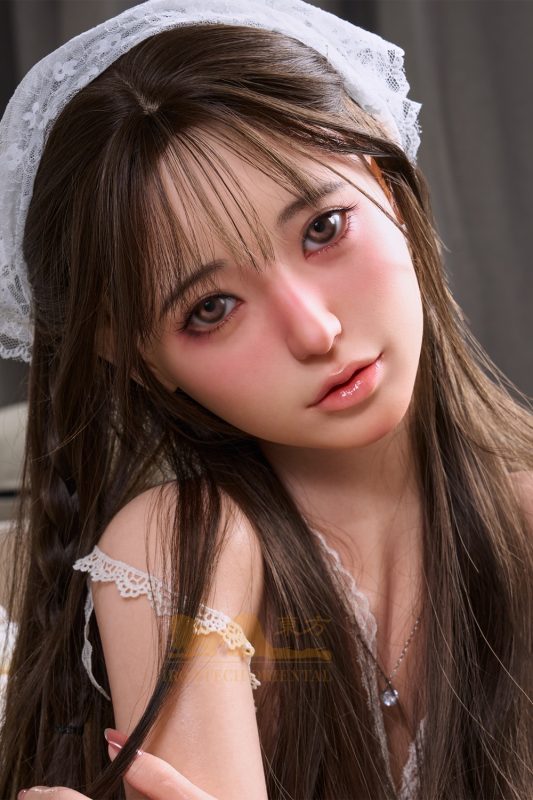
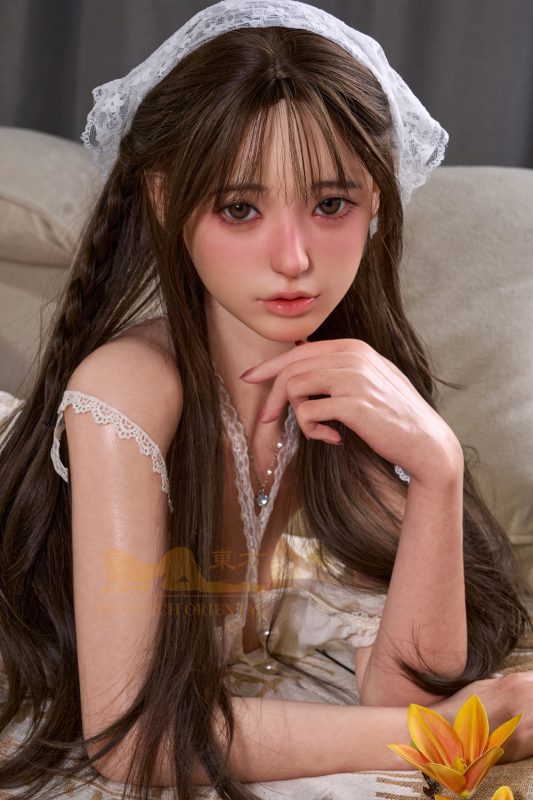
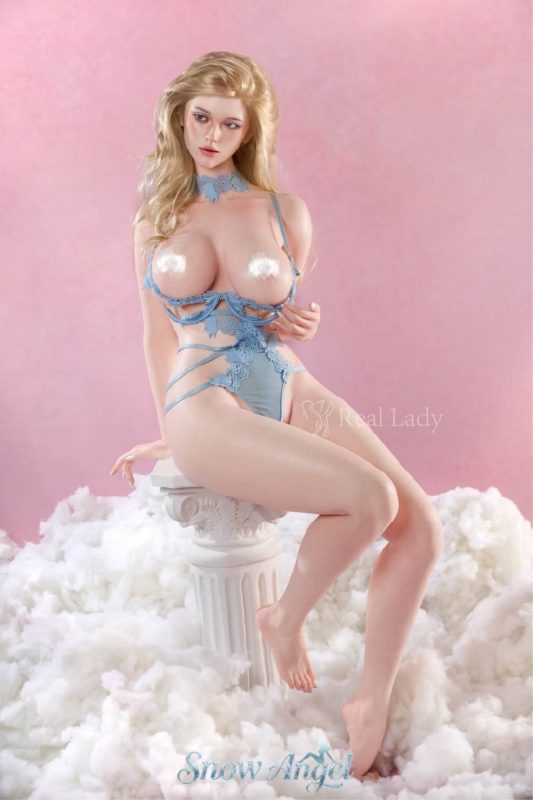
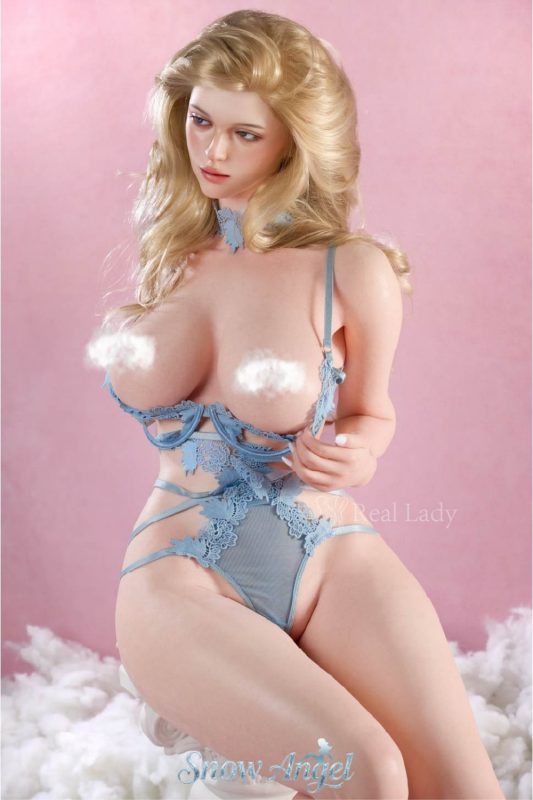
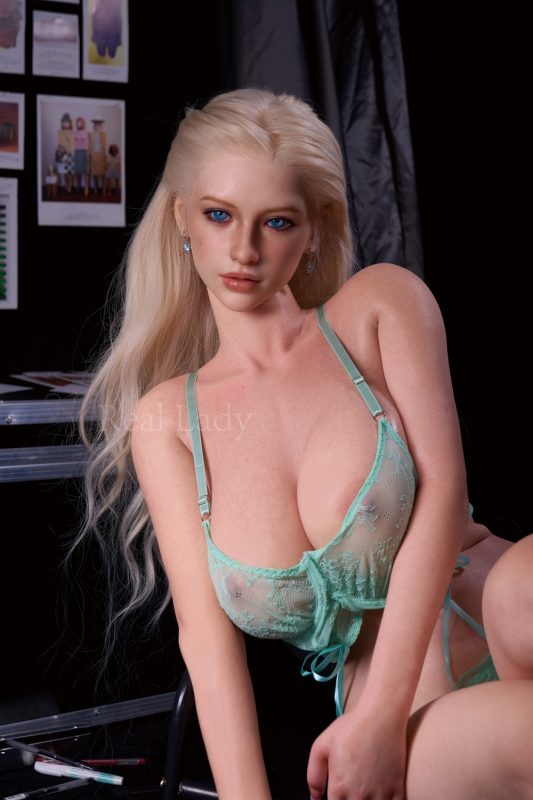



















Elf dolls with long pointed ears are realistic companion dolls that feature elongated, tapered ear designs inspired by fantasy and mythical creatures. Unlike standard dolls with human-shaped ears, these models incorporate sculpted or molded pointed ears—typically adding 2-5 cm of length—that transform the face profile from ordinary human to distinctly elven or fairy-like. They’ve become a standout niche for collectors and buyers who want something that breaks the mold.
What Are Elf Dolls with Long Pointed Ears?
Elf dolls with long pointed ears are a subset of fantasy-themed realistic dolls that prioritize non-human ear morphology. The defining feature is obvious: ears that extend upward and taper to a point, mimicking the classic depiction of elves, fairies, and other mythical humanoids from folklore and modern fantasy.
These aren’t costumes. The ears are part of the doll’s head sculpt.
Most manufacturers achieve this in one of two ways. Some sculpt the pointed ears directly into the TPE or silicone head mold during production—the ear and the face are one continuous piece. Others offer detachable ear caps that slide over a standard head, giving buyers the option to switch between elf and human looks without buying a second head.
Either way, the result is the same. A doll that looks like it stepped out of a fantasy novel.
The market for these dolls has grown steadily since roughly 2022, driven by cosplay culture and the broader normalization of fantasy aesthetics in adult entertainment. Buyers who might have settled for a standard doll five years ago now actively seek out pointed ears as a must-have feature.
The Aesthetic Appeal: Why Pointed Ears Matter
Here’s the thing most guides won’t tell you. Pointed ears don’t just make a doll look “fantasy.” They change the entire face geometry.
A standard round ear sits flush against the side of the head, visually anchoring the face in human proportions. A pointed ear—especially one that extends 3-4 cm past the top of the head—pulls attention upward. It elongates the perceived face shape. Makes the jawline look sharper. Gives the whole head a more angular, ethereal silhouette that photographs differently from every angle.
We’ve put standard dolls side by side with elf-eared versions in identical lighting. The difference is stark. The elf variant consistently gets rated as “more striking” and “more memorable” in blind preference tests—even when the face sculpt underneath is identical.
This matters for buyers who display their dolls or photograph them regularly. The pointed ear is a conversation starter. It’s the detail people notice first.
But it’s not just about looks. The elf aesthetic carries narrative weight. It gives the doll a backstory without writing a single word. Buyers who invest in fantasy-themed dolls often build entire character concepts around the pointed ear feature—assigning names, backstories, and personality traits that a standard doll simply doesn’t invite.
Design Variations: Not All Pointed Ears Are the Same
If you’re shopping for an elf doll, know this: “pointed ears” covers a much wider range than you’d expect.
Ear Length
| Ear Style | Length (from base) | Best For |
| Subtle Point | 1-2 cm | Buyers who want a hint of fantasy without going overboard |
| Classic Elf | 3-5 cm | The most popular option—recognizable without being extreme |
| Extended Fantasy | 6-8 cm | Cosplay-focused buyers; dramatic profile shots |
| Extreme Goblin | 10+ cm | Niche appeal; typically custom commissions |
The sweet spot is 3-5 cm. Long enough to transform the face but short enough that the doll still looks like a person. Anything beyond 6 cm starts to push into costume territory, which has its own audience but isn’t what most buyers are after.
Ear Shape
Not every manufacturer uses the same template. Some go for a straight upward taper—think Tolkien elves. Others curve the ear backward slightly, following the contour of the head. A third style flares outward before tapering, creating a wider, more dramatic profile.
Ask for factory photos of the specific ear sculpt before ordering. Catalog renders often smooth over shape differences that are obvious in person.
Attachment Method
- Molded (Integrated): The ear is part of the head sculpt. No seam. No removal. This is the premium option—cleaner look, zero risk of misalignment, but you’re locked into the elf look permanently with that head.
- Detachable Ear Caps: Slip-on silicone or TPE covers that fit over a standard head. Removable, swappable, and significantly cheaper than buying a second head. The downside: visible seam lines if the cap doesn’t fit perfectly, and the fit quality varies wildly between manufacturers.
- Magnetic Attachments: A newer option where pointed ear pieces attach via embedded magnets in the head. Seamless when attached, easily removed. Still rare and tends to command a premium.
Materials and Realism
The material your elf doll’s ears are made from determines how natural—or how fake—they look.
TPE (Thermoplastic Elastomer): The most common option. Soft, flexible, and forgiving. TPE pointed ears have a natural give when touched, which is a plus for realism. But TPE is porous. The pointed tips are especially prone to absorbing oils from handling, which can lead to discoloration over time. Darker fantasy skin tones (gray, blue, purple) hide this better than pale elf skin tones.
Silicone: Firmer, more durable, and non-porous. Silicone holds sharper edge detail, which matters for pointed ears—the taper stays crisp and defined far longer than on TPE. The trade-off: higher cost and a slightly harder surface texture. Some buyers actually prefer this because it makes the ears feel more “structural” and less squishy, which reads as more realistic for a non-human feature.
Hard Plastic (ABS): Used almost exclusively for detachable ear caps. Lightweight, holds paint well, zero risk of deformation. But it’s hard plastic. It doesn’t feel like skin. Buyers who prioritize visual accuracy over tactile realism tend to go this route.
Make no mistake: pointed ears are a wear point. The tips get bumped, rubbed, and caught on clothing more often than any other part of the head. If you’re choosing between TPE and silicone and budget allows, go silicone for the elf ears specifically. They’ll hold their shape longer.
How Elf Dolls Differ from Standard Dolls
Beyond the ears, elf dolls often come with a package of fantasy-oriented design choices that standard dolls skip entirely:
Skin tones. Standard dolls stick to human skin colors—fair, tan, olive, brown. Elf dolls regularly include non-human options: pale alabaster, moonlight silver, forest green, deep violet, midnight blue. These fantasy skin tones pair with pointed ears to create a cohesive “otherworldly” look rather than a human doll with weird ears tacked on.
Eye design. Elf dolls frequently use oversized irises, unusual pupil shapes, or vibrant unnatural colors (gold, violet, crimson) that standard doll buyers would reject as “unrealistic.” On an elf face, those same eyes look intentional.
Hair styling. Fantasy dolls skew toward unconventional hair: pure white, silver-gray, vivid pastels, or dual-tone gradients. Long, straight styles dominate—the “flowing elf hair” look—with fewer bobs or modern cuts.
Facial structure. Some manufacturers subtly alter the brow ridge, cheekbone prominence, and jaw angle on elf-specific sculpts to create a more angular, “ethereal” bone structure. Others just stick pointed ears on a standard face and call it done. The difference between a full elf sculpt and an ear-swap job is the difference between a doll that convinces and one that looks like Halloween.
Body proportions. Longer, slimmer limbs. Narrower shoulders. Slightly elongated fingers. These are the classic elf body modifications, and they’re available from higher-end manufacturers as optional upgrades. Budget-conscious buyers can skip them and pair an elf head with a standard body—the mismatch is subtle enough that most people won’t notice unless you point it out.
Customization: Building Your Perfect Elf Doll
The pointed ear feature rarely exists in isolation. Most buyers customize further.
Makeup and Face Details
Elf dolls benefit from makeup that leans into the fantasy aesthetic. Shimmer powders around the eyes and cheekbones. Dark, dramatic eyeliner that extends past the outer corner. Lip colors that match or contrast with the fantasy skin tone. Some buyers add small gemstone or metallic accents near the temples—a detail that would look out of place on a human doll but reads as elven jewelry on an elf face.
Freelance doll makeup artists have built entire side businesses around elf doll customization. Prices run $200-600 for a full face, depending on complexity. Read more about doll makeup options and what to expect from custom work.
Ear Color Matching
This is where a lot of elf dolls fall apart visually. The ear color needs to match the face color exactly. If the ears are even half a shade off—especially on pale elf skin tones—the mismatch is obvious from across the room.
Integrated molded ears solve this by default since the ear and face come from the same material pour. Detachable ears require careful color matching with the manufacturer. Always specify the exact skin tone code when ordering ear caps separately. And check photos of previous orders if you can.
Hair and Wig Pairing
Pointed ears are a prominent visual feature. Hair that covers them defeats the purpose. Most elf doll owners opt for styles that keep the ears visible:
- High ponytails that pull hair up and back
- Half-up styles with the top section tied back
- Side-swept looks exposing one ear fully
- Short or cropped cuts (less common but striking when done well)
- Braided crowns that frame the ears
Avoid full-length hair worn down covering both sides of the face. You paid for pointed ears—show them off.
Accessories
Elf ears open up accessory options that don’t work on standard dolls. Small ear cuffs. Miniature chains connecting the ear tip to a piercing near the lobe. Tiny gemstone studs placed along the ear ridge. These details sell the fantasy aesthetic more effectively than almost anything else, and they’re cheap to add.
Care and Maintenance: Pointed Ear Considerations
Pointed ears are fragile. The thin, tapered tips concentrate stress into a tiny contact area, which means they’re the first part of the head to show damage from rough handling, improper storage, or contact with clothing and bedding.
Cleaning: Use the same mild soap and water routine you’d use for any TPE or silicone doll, but be extra gentle around the ear tips. Don’t scrub. Pat dry—never rub. The tip of a pointed ear can tear if caught on a towel.
Storage: Never store an elf doll face-down with pressure on the ears. Over weeks, sustained pressure flattens the pointed tips and creates permanent creases. Store upright or on the back, with the ears free of any contact surface. A soft neck pillow can help support the head without touching the ears.
Clothing changes: This is where most damage happens. Pulling a tight shirt or dress over an elf doll’s head snags the pointed ears every time. Either remove the head before changing clothes or choose garments with zippers, buttons, or loose necklines. Pullovers are the enemy of pointed ears.
Long-term wear: TPE ears will slowly lose their crisp tip definition after 12-18 months of regular handling. It’s gradual—you won’t notice week to week—but compare photos from month one and month eighteen and the difference is clear. Silicone fares better longer-term. Hard plastic detachable caps barely age at all.
Avoiding Disappointment: What to Verify Before Buying
And now the part most seller pages skip.
Ask for ear close-ups. Catalog photos are shot wide and lit to minimize flaws. Request a close-up of one ear, shot in natural light. Look for asymmetry between the left and right ear—budget molds often have one ear visibly sharper than the other.
Confirm the attachment type. “Elf ears” in a listing title doesn’t tell you if they’re molded, capped, or magnetic. Ask directly. The price difference between molded and capped can be $150-300 per head, and if you assumed molded and got caps, you’re going to be unhappy.
Check the skin tone match. If ordering detachable ears separately, confirm the manufacturer’s policy on color matching. Some will send photos of your actual ear set against your actual head before shipping. Others won’t, and you’re gambling.
Read return and warranty language. Pointed ears are a warranty gray area. Some sellers classify ear tip damage as “cosmetic wear” not covered by warranty. Others explicitly exclude pointed ear variants from their standard defect coverage. If the listing says anything like “certain custom features not covered,” get written confirmation that elf ears are included before paying.

Frequently Asked Questions
Q: Do elf dolls cost more than standard dolls with the same body?
A: Usually yes. The head alone runs 80−200extraforamoldedelfearsculptcomparedtoastandardhumanhead.Detachableearcapsadd80−200extraforamoldedelfearsculptcomparedtoastandardhumanhead.Detachableearcapsadd50-120 per set. Custom fantasy skin tones and elf-specific body modifications push the total higher still. Budget $300-500 above the base doll price for a full elf configuration from a mid-tier manufacturer.
Q: Can I add pointed ears to a doll I already own?
A: Depends on the doll. If your existing doll has a standard connector (most use M16 or quick-release), you can order a separate elf head from the same manufacturer and swap it on. Detachable ear caps are even simpler—they slip over your existing head. But caps only work if your manufacturer offers them for your specific head model. Not all do.
Q: Will pointed ear dolls hold their value?
A: Mixed results here. Fantasy dolls are a growing niche and limited-edition elf sculpts from known brands do appreciate. Standard production elf heads don’t. The resale market for used dolls skews heavily toward photo-realistic human looks—elf variants sit longer and sell for less than comparable human-head dolls. Buy an elf doll because you want one, not as an investment.
Q: How do I know if the ears will look natural on the face?
A: Look at buyer photos, not manufacturer renders. Search forums, Reddit communities, and review sites for real-world images of the specific elf sculpt you’re considering. Factory photos use lighting and angles that flatter the ears. Owner photos show you what you’ll actually see on your shelf every day. If you can’t find any owner photos for a particular sculpt, that’s a red flag.
Q: Are there different ear styles for male vs female elf dolls?
A: Yes. Female elf dolls typically feature longer, more dramatically tapered ears with delicate tips. Male elf dolls tend toward slightly shorter, thicker ears with less extreme tapering—still pointed, but more angular and robust. Some manufacturers offer a unisex “classic elf” ear that works for both, but most have distinct male and female ear molds. Ask which one you’re getting if the listing doesn’t specify.