- New Arrivals
[Oriental Series] 153cm/5ft F-cup Silicone Collectible Lifelike Dolls – Yuna, Head S14 ROS MAX
Original price was: $2,794.00.$2,694.00Current price is: $2,694.00.[Oriental Series]168cm (5’6″) Realistic Textured Skin Silicone Collectible Lifelike Dolls – Scarlett ,Head R5 RosMax
Original price was: $3,360.00.$3,260.00Current price is: $3,260.00.159cm (5’2″) H-cup Real Skin Textured Silicone Premium Collectible Figures – Lena, Head Ros maxR8
Original price was: $3,310.00.$3,210.00Current price is: $3,210.00.[Oriental Series] 153cm/5ft F-cup Silicone Collectible Lifelike Dolls – Yuna, Head T1
Original price was: $2,794.00.$2,694.00Current price is: $2,694.00.159cm (5’2″) H-cup Real Skin Textured Silicone Collectible Lifelike Dolls – Hailey head Ros maxR9
Original price was: $3,310.00.$3,210.00Current price is: $3,210.00.159cm (5’2″) H-cup Real Skin Textured Silicone Premium Collectible Figures – Hailey head Ros maxR9
Original price was: $3,310.00.$3,210.00Current price is: $3,210.00. - Brands & IN Stock
- Create Your Own








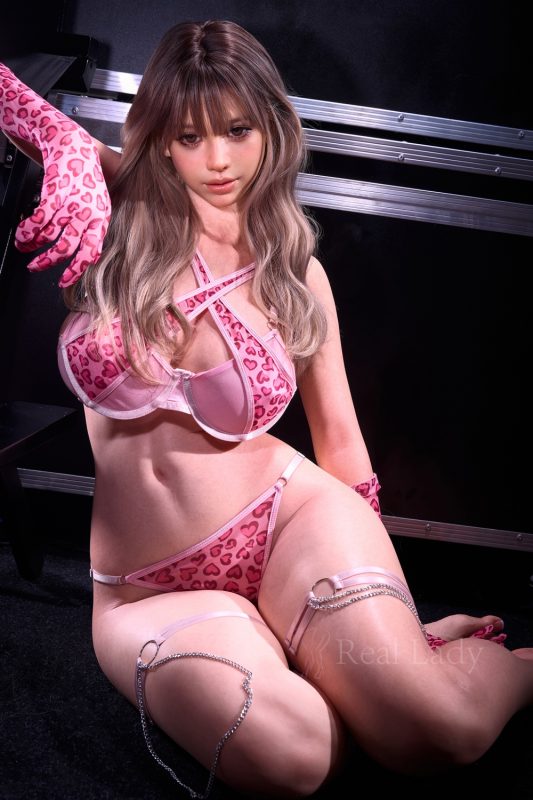
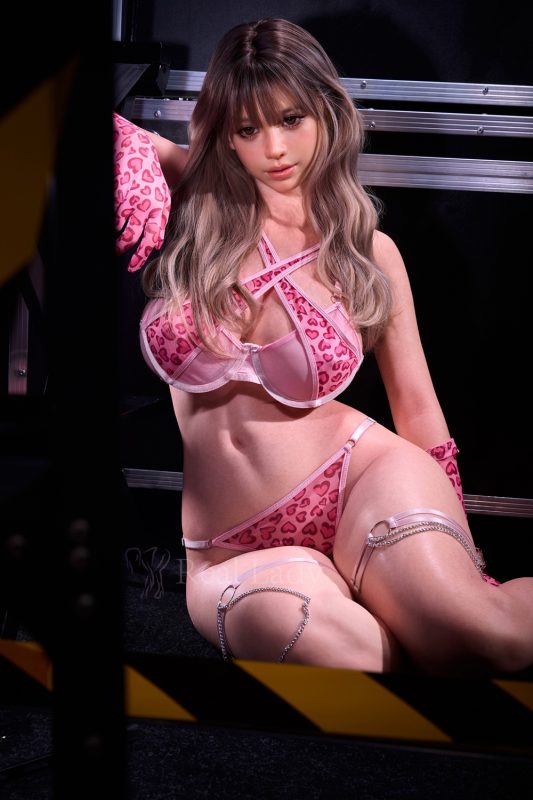






















To dress a heavy sex doll (30kg/66lbs or more), work on a low bed or sofa, dress the doll one limb at a time starting with the legs, use silicone release powder on tight clothes, and support the torso with pillows. Never lift the full weight — roll, slide, and leverage instead.
Heavy dolls are a different beast. Once you go above 30kg (about 66 pounds), the physics of moving and dressing the doll change completely. You can’t just pick it up and spin it around like a lightweight model. Try that, and you’ll strain your back — or worse, drop the doll and damage it.
Here’s the thing most guides won’t tell you: dressing a heavy doll isn’t about strength. It’s about technique and leverage. Once you know the right sequence, it takes maybe 15 minutes and zero strain.
This guide covers the exact process, the tools that make it easier, and the mistakes that lead to broken nails, torn clothes, or a ruined afternoon.
What You’ll Need Before You Start
You don’t need a full toolkit, but a few items make the process dramatically easier — especially with a heavy doll.
Essentials:
- A low, stable surface (bed, sofa, or mat on the floor)
- Silicone release powder or cornstarch (reduces friction on tight clothes)
- A wide-tooth comb (for guiding sleeves, not for hair)
- 2–3 firm pillows or cushions (to prop and support the torso)
- Loose, stretchy fabrics for the first few tries
Strongly recommended:
- Nitrile gloves (protects your hands and gives better grip on the doll’s limbs)
- A small silicone-tipped tool or a smooth wooden spoon handle (for guiding tight sleeves)
- Baby powder applicator (puff or soft brush)
What to avoid:
- Tight denim or non-stretch fabrics for daily wear — they’re exhausting to put on
- Zippers on tight-fitting garments — use pul-lovers or Velcro-closure alternatives
- Long fingernails on your part — they snag fabric and scratch TPE/silicone surfaces
Step-by-Step: How to Dress a Heavy Sex Doll
Step1: Set Up Your Workspace
Put the doll on a bed, a wide sofa, or a thick mat on the floor. The surface should be low enough that you’re not lifting the doll’s weight vertically — you want to roll and slide, not hoist.
Prop 2–3 pillows under the doll’s upper back and head so the torso is slightly elevated. This gives you room to work on the upper body later without having to lift the entire doll.
And here’s something not enough people mention: take off any sharp rings or bracelets before you start. Metal edges snag fabric and can scratch the doll’s surface in one careless move.
Step2: Start With the Legs
Always dress the lower body first. The legs are the heaviest part of most dolls, and getting clothes on them is easiest when the doll is flat on its back.
- Loosen the garment completely — unzip, unbutton, or stretch the waistband as wide as it will go
- Lift one leg at the ankle — just enough to slide the garment over the foot. Use one hand on the ankle, the other supporting behind the knee if the joint is stiff
- Guide the fabric up the leg slowly — if there’s resistance, don’t pull. Add a light dusting of silicone powder to the inside of the fabric and to the doll’s leg
- Repeat with the second leg
For very heavy dolls (40kg+ / 88lbs+), consider bending the doll slightly at the hips (if the skeleton allows) to reduce the angle you’re working at. Don’t force any joint beyond its designed range.
Step3: Pull Trousers or Panties Into Place
Once both legs are through, pull the garment up to the waist. With a heavy doll lying flat, this is straightforward — but tight waistbands can be a problem.
If the waistband feels too tight to pull past the hips:
- Dust the doll’s hips and the inside of the waistband with silicone powder
- Use a smooth tool (like a silicone-tipped applicator) to guide the fabric over the hip curve
- If it’s still too tight, the garment simply doesn’t fit this doll’s proportions — size up
Most standard “one size” doll clothes are designed for 20–30kg dolls. Above that weight, you’ll typically need custom-sized or plus-size doll clothing.
Step4: Dress the Upper Body — One Arm at a Time
Now for the tricky part. Sleeves on a stationary torso are awkward. Here’s the method that works:
- Flatten the garment completely and orient it so the neck opening is facing you
- Slide the first sleeve onto the arm by gathering the sleeve in your hands, inserting the doll’s hand, and gradually working the fabric down the arm. Go slowly — trapped fingers inside a tight sleeve are frustrating to fix
- Once the first arm is through, gently roll the doll slightly toward the dressed side (use a pillow to hold the position)
- Repeat with the second sleeve
A trick we’ve found useful: if the sleeve is tight around the forearm or elbow joint, dust the joint area with silicone powder before inserting. It reduces friction dramatically and prevents the fabric from bunching at the joint.
Step5: Pull the Garment Over the Torso
With both arms through, pull the garment down over the chest and torso. If the doll is lying flat, this should be manageable.
For tight-fitting tops, the chest area is usually the sticking point. Again — silicone powder is your friend. Dust the chest area lightly, then ease the fabric over it gradually rather than yanking it down in one motion.
Step6: Stand or Seat the Doll (If Needed for the Next Garment)
If you’re adding a second layer (jacket, coat, etc.), you may need to sit the doll up. This is where the weight becomes real.
Don’t try to lift the doll from lying to sitting in one motion. Instead:
- Roll the doll onto its side first
- Use your body weight to brace the doll against your knee or a firm cushion
- Ease it up into a seated position, supporting the back with pillows
Once seated, dressing the upper body for a second layer is much easier because gravity helps.
Step7: Finishing Touches
Once dressed, do a quick check:
- Are the sleeves positioned naturally at the wrists?
- Is the waistband sitting comfortably without digging in?
- Are there any twists in the fabric that will show in photos or display?
Smooth out any twists gently. And if you’re displaying the doll in the outfit, consider lightly dusting the clothes with silicone powder one more time — it prevents static cling on synthetic fabrics.
Best Fabrics for Heavy Dolls
Not all fabrics are equal when you’re dealing with a 30kg+ doll. Some make dressing a 5-minute job; others turn it into a 30-minute wrestling match.
| Fabric Type | Dressing Ease | Durability | Recommendation |
| Cotton (stretch knit) | ⭐⭐⭐⭐⭐ | ⭐⭐⭐⭐ | Best for daily wear |
| Cotton (non-stretch) | ⭐⭐ | ⭐⭐⭐⭐ | Size up 1–2 sizes |
| Polyester blend (stretch) | ⭐⭐⭐⭐ | ⭐⭐⭐ | Good budget option |
| Denim (rigid) | ⭐ | ⭐⭐⭐⭐⭐ | Avoid for >30kg dolls |
| Silk / satin | ⭐⭐⭐ | ⭐⭐ | Beautiful but high-maintenance |
| Velcro-closure garments | ⭐⭐⭐⭐⭐ | ⭐⭐⭐ | Excellent for heavy dolls |
The takeaway: stretch is everything. A garment that stretches 2–3 inches in every direction will save you time and frustration on a heavy doll.

Common Mistakes That Make Dressing a Heavy Doll Miserable
Trying to lift the full weight. You don’t need to. Use rolling, sliding, and leverage. Your back will thank you.
Using tight non-stretch clothes. They look great on a lightweight doll, but on a 35kg model they’re a nightmare to get on and off. Save them for display only.
Skipping silicone powder. Friction is the enemy. A $5 bottle of silicone powder prevents 90% of dressing-related headaches.
Forcing stiff joints through tight sleeves. If the elbow or shoulder joint is stiff, work with it, not against it. Gently flex the joint to create more space inside the sleeve before pulling the fabric through.
Buying “one size fits all” doll clothes. They don’t. Above 30kg, check the weight rating on any garment before buying.
For a deeper dive on doll handling techniques that protect both you and the doll, check out our guide to moving and positioning heavy realistic dolls safely. And if you’re also working on wig care, our how to comb doll wig without tangling guide covers the hair side of doll maintenance.
Quick Reference: Dressing Time by Doll Weight
| Doll Weight | Estimated Dressing Time (one outfit) | Main Challenge |
| 15–25kg (33–55lbs) | 5–10 minutes | Minimal |
| 25–35kg (55–77lbs) | 10–20 minutes | Leg weight, torso leverage |
| 35–50kg (77–110lbs) | 20–35 minutes | Full-body weight, joint stiffness |
| 50kg+ (110lbs+) | 35–60 minutes | Requires 2 people recommended |
If you’re regularly dressing a doll above 35kg, consider a doll dressing aid — a simple PVC or fabric tube that you slide over the limb first, then pull the clothes over. It reduces friction to near zero.
Frequently Asked Questions
Q: Can I dress a heavy doll by myself, or do I need help?
A: Up to about 35kg (77lbs), one person is fine with the right technique. Above that, a second pair of hands makes things faster and safer. The key is leverage, not strength.
Q: What’s the easiest type of clothing for a heavy doll?
A: Stretchy, pul-over knits with wide neck openings. Avoid zippers, buttons, and anything that needs to be pulled tight to fasten.
Q: My doll’s joints are too stiff to get sleeves on. What should I do?
A: Warm the joint area slightly with a hairdryer on cool (not hot) for 30 seconds — this softens TPE slightly and increases flexibility. Then use a silicone-tipped tool to guide the sleeve through.
Q: How do I keep from scratching the doll’s surface while dressing it?
A: Wear nitrile gloves, remove all jewelry, and keep your fingernails short. Most surface scratches happen during sleeve-pulling when a fingernail catches the material.
Q: Can I use regular human clothes on a heavy sex doll?
A: Sometimes. Size XS or S in stretch fabrics can work, but most human clothes are cut differently in the shoulders and hips. Doll-specific clothes are sized for the proportions and save a lot of hassle.