- New Arrivals
[Oriental Series] 153cm/5ft F-cup Silicone Collectible Lifelike Dolls – Yuna, Head S14 ROS MAX
Original price was: $2,794.00.$2,694.00Current price is: $2,694.00.[Oriental Series]168cm (5’6″) Realistic Textured Skin Silicone Collectible Lifelike Dolls – Scarlett ,Head R5 RosMax
Original price was: $3,360.00.$3,260.00Current price is: $3,260.00.159cm (5’2″) H-cup Real Skin Textured Silicone Premium Collectible Figures – Lena, Head Ros maxR8
Original price was: $3,310.00.$3,210.00Current price is: $3,210.00.[Oriental Series] 153cm/5ft F-cup Silicone Collectible Lifelike Dolls – Yuna, Head T1
Original price was: $2,794.00.$2,694.00Current price is: $2,694.00.159cm (5’2″) H-cup Real Skin Textured Silicone Collectible Lifelike Dolls – Hailey head Ros maxR9
Original price was: $3,310.00.$3,210.00Current price is: $3,210.00.159cm (5’2″) H-cup Real Skin Textured Silicone Premium Collectible Figures – Hailey head Ros maxR9
Original price was: $3,310.00.$3,210.00Current price is: $3,210.00. - Brands & IN Stock
- Create Your Own





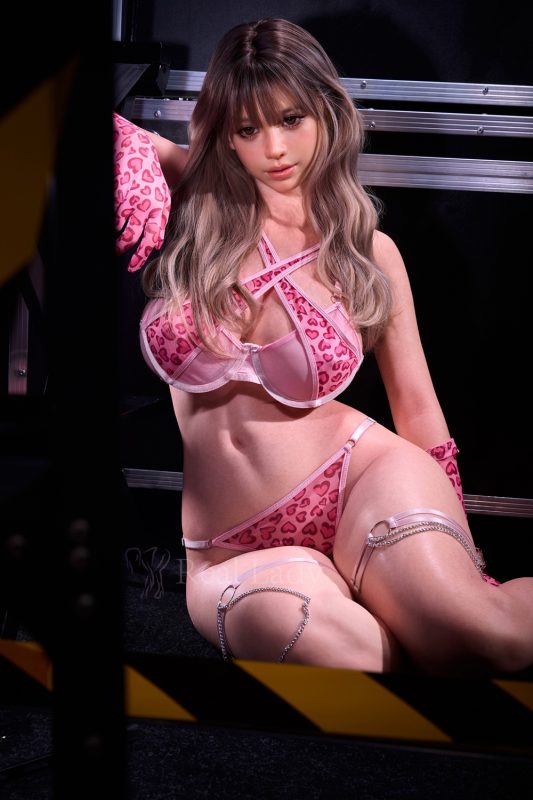






















TPE doll joints pop because the internal metal skeleton has slipped out of its socket or lost lubrication. To stop it, identify the joint type (ball-and-socket vs hinge), apply pressure to reseat the ball into the socket, and lubricate the joint with silicone grease. Never force a stuck joint—bend it in the direction it is designed to move.
A popping joint is not normal. It is a warning.
We have opened dolls sent back for “repair” where the shoulder socket was completely dislocated. The owner heard a pop, then another, then figured it was just the material settling. Six months later, the arm hung loose and the socket wall had cracked from repeated misalignment.
The good news: most joint issues are fixable at home. The bad news: most owners make them worse by forcing the joint in the wrong direction.
This guide covers what causes the pop, how to fix it without damaging the TPE shell, and how to prevent it from happening again.
Why TPE Doll Joints Pop
TPE dolls use an internal stainless steel skeleton with ball-and-socket joints at the shoulders, hips, and wrists, and hinge joints at the elbows and knees. The TPE material surrounds this skeleton like a thick skin, giving the doll its shape and flexibility.
A joint pops for one of three reasons:
1. The ball has slipped partially out of the socket. This is the most common cause. The skeleton is held together by tension springs inside each joint. Over time—or after a forceful bend—the ball slips to the edge of the socket. When you move the limb, the ball snaps back into place. That snap is the pop you hear.
2. The joint has lost lubrication. The metal ball and socket are greased at the factory. After months of movement, that grease dries out. Metal rubs against metal. The friction creates a grinding pop and wears down the socket surface.
3. The TPE shell is resisting the skeleton’s movement. If the TPE around a joint has thickened or settled unevenly, it pushes against the skeleton during bending. The skeleton moves anyway, but the TPE creates a suction-release sound that mimics a joint pop.

Types of Joint Popping: A Diagnostic Table
Not every pop means the same thing. The sound and feel tell you what is wrong.
| Pop Type | Sound | Feel | Likely Cause | Urgency |
| Snap pop | Sharp, single crack | Limb shifts slightly after sound | Ball partially dislocated | Fix now |
| Grind pop | Continuous scraping | Rough resistance during movement | Dry joint, no lubrication | Fix within days |
| Suction pop | Wet, muffled release | No resistance, sound comes from skin | TPE settling around joint | Monitor only |
| Click pop | Repetitive ticking | Loose feel, extra range of motion | Worn socket or broken spring | Fix now |
If you hear a snap or a click, stop moving the joint. Continuing to use a dislocated or worn joint grinds the metal surfaces together and can crack the socket housing. A grind pop means the joint is already dry—every movement causes micro-damage.
A suction pop is usually harmless. It happens most often in the hips after the doll has been stored in one position for weeks. The TPE settles and creates a vacuum against the skeleton. The sound is disturbing but not damaging.

How to Fix a Dislocated Ball-and-Socket Joint
This applies to shoulders, hips, and wrists. These joints use a ball that rotates inside a cup-shaped socket.
What you need:
- A second person (strongly recommended)
- A thin wooden dowel or plastic spatula
- Silicone grease (not petroleum-based)
- Patience
Step 1: Locate the Joint Through the TPE
Feel along the limb until you find the hard metal joint beneath the TPE. The shoulder joint sits about 2 inches from the armpit. The hip joint is deep in the groin area. Mark the spot with your fingers.
Step 2: Position the Doll Correctly
Lay the doll flat. For a shoulder joint, place the arm at a 45-degree angle from the torso—this is the natural resting position that aligns the socket correctly. For a hip joint, bend the leg to roughly 90 degrees.
Step 3: Apply Gentle Pressure to Reseat the Ball
Place one hand on the limb above the joint, the other on the torso near the socket. Apply slow, steady pressure in the direction the joint is designed to move. Do not twist. Do not yank. Think of it as guiding the ball back into the cup, not forcing it.
You will feel resistance, then a slight give, then the ball drops into place. There may be a soft click. That is the correct sound.
If the ball does not reseat within 30 seconds of gentle pressure, stop. The spring inside the joint may be misaligned or broken. Forcing it will crack the socket housing.
Step 4: Test the Range of Motion
Move the limb slowly through its normal range. It should move smoothly without pops or grinding. If you still hear snapping, the ball is not fully seated. Repeat Step 3.
Step 5: Apply Silicone Grease
Use a thin dowel to apply a pea-sized amount of silicone grease to the joint area. Work it into the TPE creases around the joint. The grease lubricates the metal and prevents the TPE from gripping the skeleton.
Do not use WD-40 or petroleum-based lubricants. They degrade TPE over time and attract dust. [Source: Doll Skeleton Maintenance Protocol, 2023]
How to Fix a Hinge Joint (Elbows and Knees)
Hinge joints are simpler but easier to damage because they have less tolerance for sideways force.
If the hinge is stiff or grinding:
- Bend the joint to 90 degrees and hold it there for 60 seconds. The warmth from your hands softens the TPE slightly and loosens the joint.
- Apply silicone grease to the front and back of the knee or elbow crease.
- Work the joint through its full range 5–10 times to distribute the grease.
If the hinge is hyperextended (bent backward):
This is serious. A hyperextended hinge means the internal stopper has broken or the metal has bent. Do not force the joint back into normal alignment—this will snap the hinge pin.
Instead, lay the limb flat and apply a warm compress (not hot) to the joint area for 10 minutes. The softened TPE allows you to gently guide the hinge back to neutral. If it does not move easily, the stopper is broken. This requires professional repair.
Lubrication Schedule and Maintenance
Joint grease is not permanent. It dries out, especially in dry climates or with frequent use.
| Joint Location | Lubrication Frequency | Grease Amount | Notes |
| Shoulders | Every 3 months | Pea-sized | Most stress, dries fastest |
| Hips | Every 3 months | Pea-sized | Deep joint, harder to reach |
| Elbows | Every 6 months | Small dab | Lower stress |
| Knees | Every 6 months | Small dab | Check for hyperextension signs |
| Wrists | Every 6 months | Small dab | Fine motor joints, delicate |
Application tip: Apply grease after cleaning the doll, while the TPE is still slightly warm from the water. Warm TPE absorbs the lubricant better and distributes it along the skeleton.
Common Mistakes That Destroy Joints
Forcing a joint past its designed range. Every joint has a hard stop. You can feel it—a point where the limb simply will not bend further. Pushing past this point bends the metal skeleton instead of rotating the joint. We have seen dolls with permanently twisted arms because the owner tried to force a “hugging” pose the shoulder was not designed for.
Twisting instead of bending. Ball-and-socket joints rotate. Hinge joints flex. Do not twist a hinge joint sideways. The knee is not designed to rotate. A sideways twist snaps the hinge pin inside the TPE shell.
Using the wrong lubricant. Petroleum jelly, baby oil, and WD-40 all break down TPE over time. They also dry into a gummy residue that traps dirt and grit. Use only silicone-based grease. It is stable, non-reactive, and lasts longer.
Ignoring the first pop. The first pop is a warning. The second pop is damage accumulating. By the fifth pop, the socket is ground down and the spring is stretched. Fix it after the first sound.
When to Call a Professional
Some joint issues are beyond home repair:
- Broken spring inside the socket: You will feel no tension when moving the limb. It flops freely in all directions.
- Cracked socket housing: You may feel a grinding or clicking that does not improve after reseating the ball.
- Bent hinge pin: The hinge moves in a direction it should not—side to side instead of forward and back.
- TPE tear near the joint: If the TPE itself has split, the joint is exposed and the tear will expand with every movement.
Professional repair costs 80–80–200 depending on the joint and damage level. Attempting to fix a broken spring yourself usually makes it worse—the spring is under tension and can snap inside the TPE, creating a new problem.
Frequently Asked Questions
Q: Is it normal for new dolls to have popping joints?
A: No. A new doll should move silently. If you hear pops within the first month, the joint was likely not fully seated during assembly or the factory grease was insufficient. Contact the seller—it may be covered under warranty.
Q: Can I prevent joints from popping permanently?
A: No, but you can delay it significantly. Regular lubrication every 3–6 months, avoiding extreme poses, and storing the doll in a neutral position all reduce joint stress. Think of it like car maintenance—prevention is cheaper than repair.
Q: My doll’s hip joint pops every time I move the leg. Is it broken?
A: Probably dislocated, not broken. Hip joints bear the most weight and are the most likely to slip. Follow the reseating steps above. If the pop persists after reseating and lubrication, the socket spring may be stretched. That requires professional replacement.
Q: What brand of silicone grease should I use?
A: Any pure silicone grease from a hardware store works. Look for “dielectric silicone grease” or “plumber’s silicone grease.” Avoid products with petroleum additives. A single tube lasts for years of doll maintenance.
Q: Can I use the doll if a joint pops occasionally?
A: Only if it is a suction pop from TPE settling. Snap, click, or grind pops mean the skeleton is damaged. Using the doll in that condition worsens the damage and can lead to a TPE tear near the joint.