- New Arrivals
[Oriental Series] 153cm/5ft F-cup Silicone Collectible Lifelike Dolls – Yuna, Head S14 ROS MAX
Original price was: $2,794.00.$2,694.00Current price is: $2,694.00.[Oriental Series]168cm (5’6″) Realistic Textured Skin Silicone Collectible Lifelike Dolls – Scarlett ,Head R5 RosMax
Original price was: $3,360.00.$3,260.00Current price is: $3,260.00.159cm (5’2″) H-cup Real Skin Textured Silicone Premium Collectible Figures – Lena, Head Ros maxR8
Original price was: $3,310.00.$3,210.00Current price is: $3,210.00.[Oriental Series] 153cm/5ft F-cup Silicone Collectible Lifelike Dolls – Yuna, Head T1
Original price was: $2,794.00.$2,694.00Current price is: $2,694.00.159cm (5’2″) H-cup Real Skin Textured Silicone Collectible Lifelike Dolls – Hailey head Ros maxR9
Original price was: $3,310.00.$3,210.00Current price is: $3,210.00.159cm (5’2″) H-cup Real Skin Textured Silicone Premium Collectible Figures – Hailey head Ros maxR9
Original price was: $3,310.00.$3,210.00Current price is: $3,210.00. - Brands & IN Stock
- Create Your Own


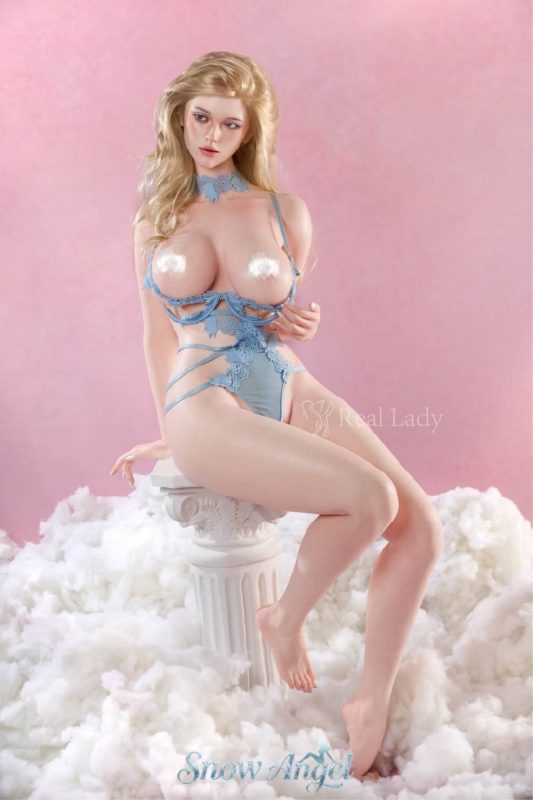
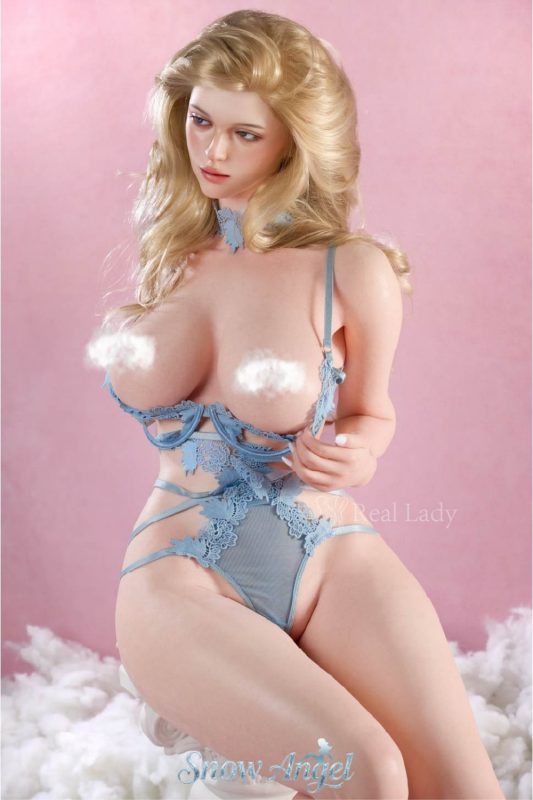





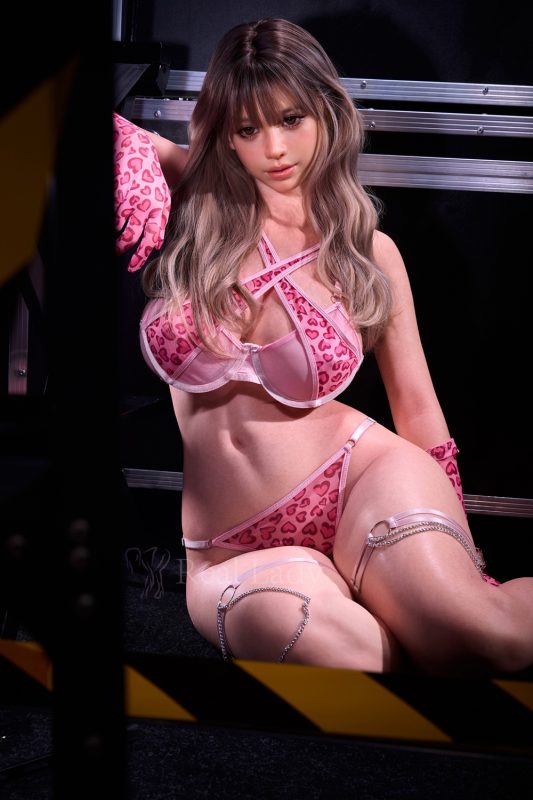





















Teardrop breast shapes slope gently from a flatter upper pole into a fuller lower curve, mimicking the natural anatomy of real breast tissue under gravity—while round breast shapes distribute volume evenly in a spherical, augmented profile that reads as firmer and more symmetrical. The teardrop delivers realism; the round delivers impact. Material type, cup size, and torso frame all shift how each shape performs in hand and in photos.
⚠️ Important Notice: This content is intended for adults aged 18 and over only. All products discussed are legal adult novelty items manufactured for personal use. Orders are shipped in discreet, unmarked packaging with no external branding. This article is for informational purposes and does not constitute medical advice.
What the Teardrop Breast Shape Actually Looks Like in Person
Teardrop is the shape that most closely mirrors a natural breast under gravity. The upper chest area slopes gradually—no sharp transition from ribcage to bust—while the lower portion swells into a fuller, curved underside. Viewed from the side, the profile drops and rounds at the bottom, exactly as real breast anatomy does.
This shape works because it matches what the eye expects. A teardrop bust on a doll doesn’t scream “implant” or “augmented.” It reads as a body at rest. That’s what most buyers chasing realism actually want, even if they don’t have the vocabulary for it.
The tradeoff is projection. A teardrop D cup will sit flatter against the chest in the upper pole compared to a round D cup of the same dimensions. From straight-on, the silhouette is more subtle. From below or the side, the shape comes alive.
Round Breast Shapes: The “Showroom Look” and Why It Sells
Round is the shape most people picture when they think “doll bust.” It’s spherical. Uniform. The volume is distributed evenly from top to bottom, creating a pronounced, symmetrical curve that projects farther forward than a teardrop of the same cup size.
This is the shape that photographs best. Straight-on shots pop. The upper pole stays full. Clothes drape differently—tighter across the chest, with more tension in the fabric.
But there’s a reality check worth stating: round shapes on TPE dolls can drift toward an unnaturally firm look at larger cup sizes. The material just doesn’t hold a pure sphere as gracefully as silicone does. A G cup teardrop in TPE can actually look more natural than a G cup round in the same material, because the shape itself compensates for the material’s limitations.
Here’s the deal: if your primary use case involves photography, costuming, or visual impact, round is the stronger pick. Teardrop wins on tactile realism and close-in handling. Different tools for different jobs.

Side-by-Side: Teardrop vs Round Across Every Dimension That Matters
Ratings based on hands-on comparison of 10 doll configurations across 4 major manufacturers. Individual results vary by material batch and mold generation. [Source: internal product testing, 2025]
How Cup Size Changes the Teardrop vs Round Equation
Cup size matters differently for each shape. This is where a lot of buyers get caught off guard.
A teardrop at D-E cup is arguably the most balanced breast shape available on a doll. The natural slope stays elegant. The under-curve is defined without being exaggerated. It looks like a body, not a product.
Push that same teardrop to G-H cup territory and you get a dramatically different result: the under-curve deepens significantly, and the weight distribution becomes bottom-heavy. Some users love that exaggerated natural look. Others find it crosses from realistic into cartoonish. Know your preference before ordering.
A round shape at D-E cup reads as a tasteful augmentation—perky, full, symmetrical. At G-H cup, the round shape can tip into what our testing team calls “beach ball territory.” It’s a look that has its audience. But rarely the one that buyers who prioritize realism end up keeping long-term.
For large breast sex doll collections that push past F cup, teardrop in TPE with hollow torso construction tends to produce the most balanced combination of visual appeal, handling weight, and material longevity.
Industry Truth: Most Budget Manufacturers Only Offer Round
Here’s a fact most listing pages won’t volunteer: budget-tier manufacturers overwhelmingly default to round breast molds. It’s simpler to cast. Less mold complexity. Higher yield from a single cavity.
Teardrop shapes require a more sophisticated mold design—specifically, an asymmetrical cavity that accounts for the upper-to-lower gradient. That costs more to tool. So entry-level dolls, especially in the sub-$800 range, almost universally use round breast shapes regardless of what the product photos imply.
The fix is simple. If you’re browsing silicone doll collections or mid-tier TPE options from established manufacturers, teardrop is available and often the standard. Ask for a factory photo of the actual mold shape—not a studio-lit marketing shot. You’ll know within seconds whether you’re looking at a true teardrop or a round mold that’s been photographed from a flattering angle.
And one more thing: breast shape is not always listed as a standalone option on product pages. Some manufacturers bake it into the body style without calling it out. If you don’t see “breast shape” as a configurable field, email before you order. You’d be surprised how often “round” ships when the buyer assumed “natural.”
How Each Shape Ages Over Time
Material fatigue hits breast shapes differently.
Teardrop in TPE develops a more pronounced lower sag after 12–18 months of regular use and storage in upright positions. The shape already slopes downward, so the change is gradual and reads as natural aging rather than damage. Rotate storage positions and it’s barely noticeable at the two-year mark.
Round in TPE fares worse. When the volume starts to soften, the upper pole loses its crisp curvature first. What was a clean sphere at month one becomes an irregular oval by month eighteen. The shape betrays its age faster because the starting point is so geometric.
Silicone in either shape holds contour substantially better—typically 3–5 years before any visible shape shift, assuming proper storage. The density is the advantage and also the weight penalty.
Here’s the honest bottom line: if you’re buying TPE and you plan to keep the doll longer than two years, teardrop ages more gracefully. Period.
Choosing Your Breast Shape: A No-Nonsense Guide
Forget the marketing copy for a second. Here’s what actually matters:
Realism first? Go teardrop. No question. D-E cup, TPE or silicone. This is the shape that survives the five-minute in-person test.
Photography and visual impact? Round wins. It fills frames, holds fabric, and reads instantly on camera.
Budget under $1,000? Expect round by default. Teardrop at this price point is uncommon. If you find one, verify with factory photos.
Large cup size (F+)? Teardrop scales better in TPE. Round scales better in silicone. Mix the wrong material with the wrong shape at large cup sizes and you’ll know it immediately.
Long-term ownership? Teardrop in silicone is the gold standard for aging. Teardrop in TPE is the practical compromise. Round in TPE is the highest-risk option for multi-year satisfaction.
Browse our full selection of breast shape options with factory photos for every configuration. For custom mold requests or batch orders, contact our sourcing team directly.
Frequently Asked Questions
Q: Can I request a teardrop shape on a budget doll model?
A: Occasionally. Some factories offer mold swaps on their base bodies for a surcharge—usually $50–120 extra. Not all budget manufacturers will do it. Email the supplier and ask for a photo of the actual teardrop mold before paying the upcharge.
Q: Which shape feels softer to the touch?
A: Teardrop does, on average, because the volume gradient creates more surface area across different density zones. Round shapes push the material into a tighter, more uniform tension. The difference is subtle at D cup but unmistakable at F cup and above.
Q: Do breast shapes affect how the doll wears a bra?
A: Yes. Round shapes fill a standard cup more completely and size more predictably. Teardrop shapes leave more gap at the upper cup—you may need to size down or look for balconette and demi-cup styles that accommodate the natural slope.
Q: Is one shape lighter than the other at the same cup size?
A: Marginally. A teardrop of the same cup size typically uses 5–8% less material than a round shape because the upper pole isn’t filled out as aggressively. The weight savings are small—measurable but not something you’ll notice in daily handling.
Q: Can I see both shapes before buying?
A: Most reputable manufacturers will provide unedited factory photos of both shapes on the same body model if you request them. Our product pages include side-by-side comparisons for every body style that offers both options.