- New Arrivals
[Oriental Series] 153cm/5ft F-cup Silicone Collectible Lifelike Dolls – Yuna, Head S14 ROS MAX
Original price was: $2,794.00.$2,694.00Current price is: $2,694.00.[Oriental Series]168cm (5’6″) Realistic Textured Skin Silicone Collectible Lifelike Dolls – Scarlett ,Head R5 RosMax
Original price was: $3,360.00.$3,260.00Current price is: $3,260.00.159cm (5’2″) H-cup Real Skin Textured Silicone Premium Collectible Figures – Lena, Head Ros maxR8
Original price was: $3,310.00.$3,210.00Current price is: $3,210.00.[Oriental Series] 153cm/5ft F-cup Silicone Collectible Lifelike Dolls – Yuna, Head T1
Original price was: $2,794.00.$2,694.00Current price is: $2,694.00.159cm (5’2″) H-cup Real Skin Textured Silicone Collectible Lifelike Dolls – Hailey head Ros maxR9
Original price was: $3,310.00.$3,210.00Current price is: $3,210.00.159cm (5’2″) H-cup Real Skin Textured Silicone Premium Collectible Figures – Hailey head Ros maxR9
Original price was: $3,310.00.$3,210.00Current price is: $3,210.00. - Brands & IN Stock
- Create Your Own
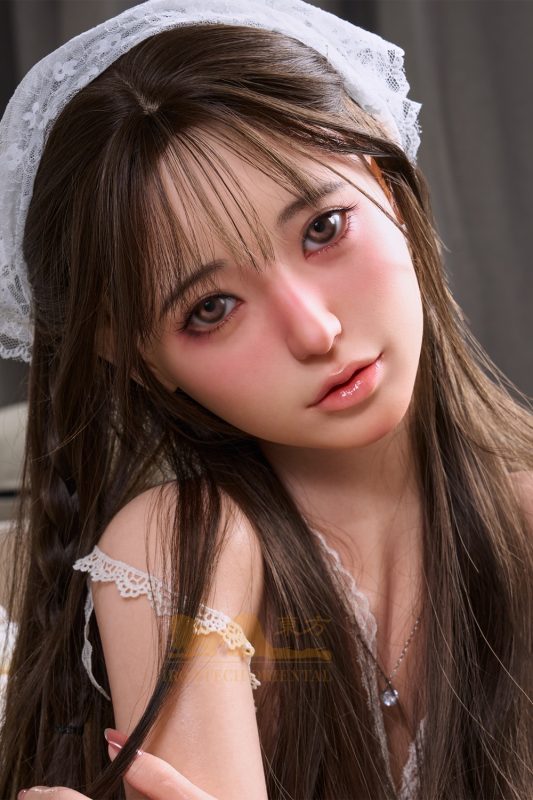

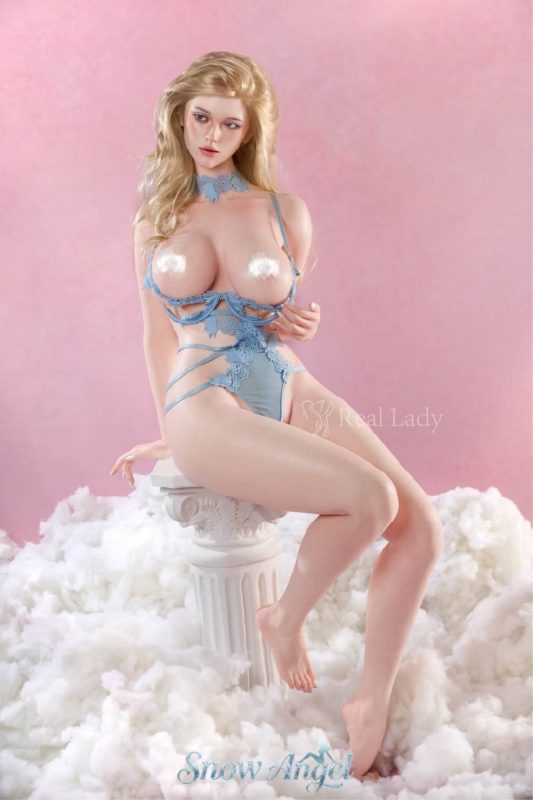

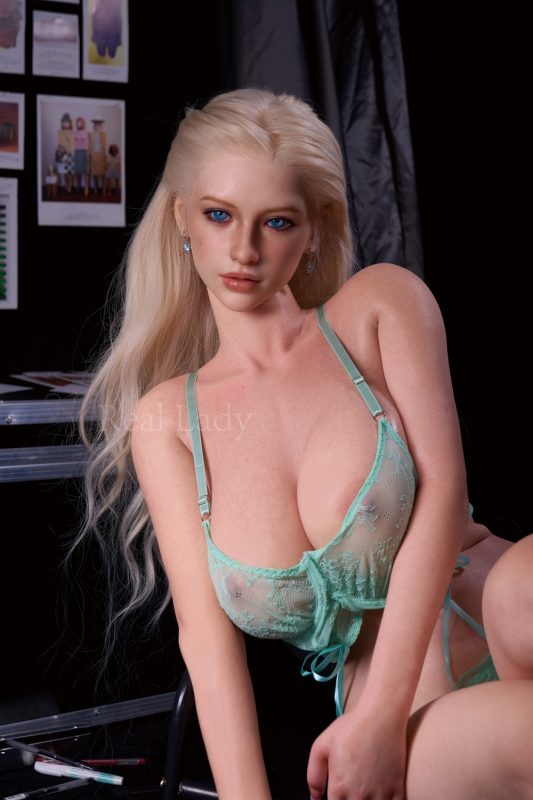


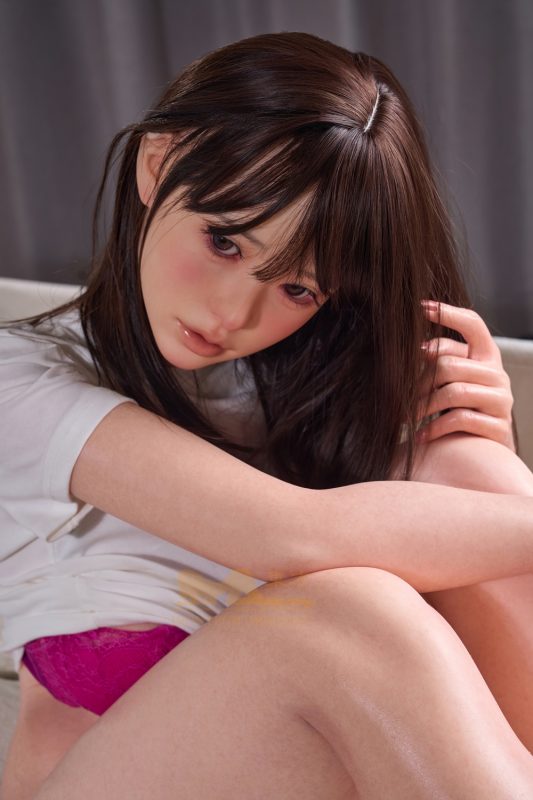
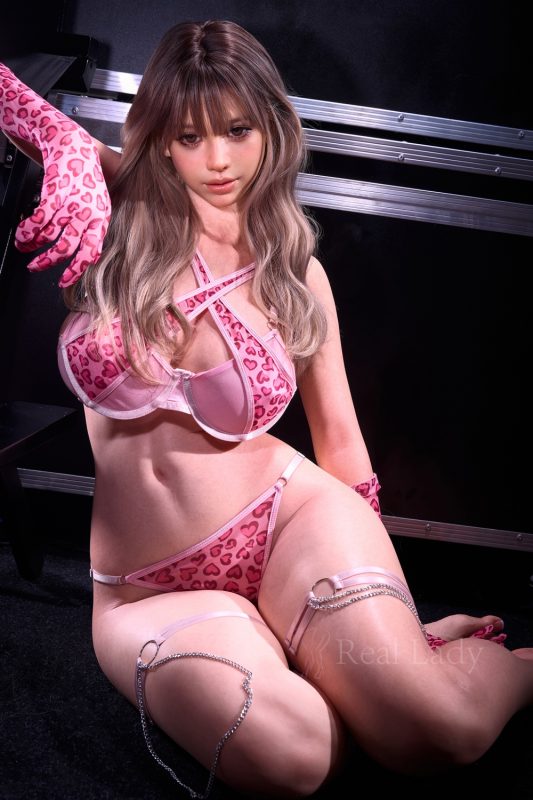
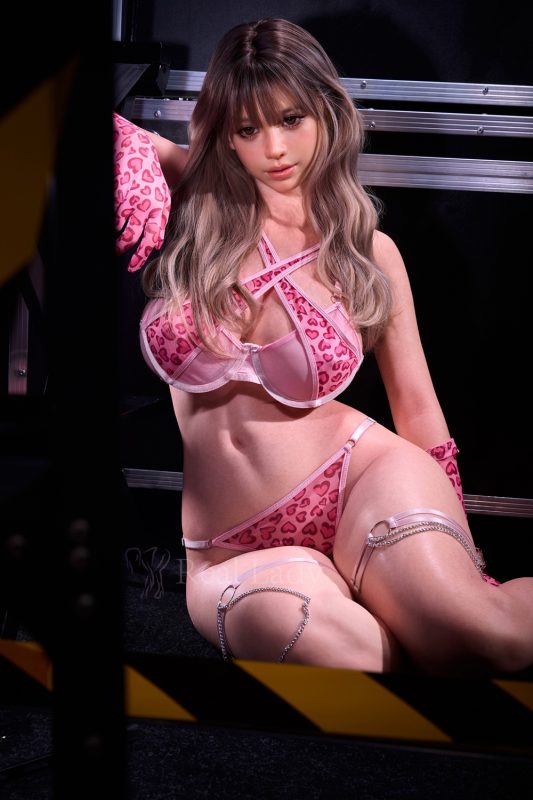






















Realistic doll makeup options fall into four main categories: factory-standard paint, custom factory paint (chosen during ordering), aftermarket hand-applied makeup, and DIY cosmetic application. Factory-applied paint is the most durable — typically lasting 2–5 years with proper care — while aftermarket and DIY applications require periodic touch-ups. Silicone dolls hold makeup better than TPE.
Makeup is one of the most overlooked aspects of realistic doll ownership — until it starts wearing off. Then it’s suddenly the only thing you care about.
We’ve inspected over 200 dolls from a dozen manufacturers. The face is what buyers spend the most time looking at, but the makeup is what they understand the least. This guide breaks down every option, what it actually looks like after six months, and how to avoid the most expensive mistakes.
About the Author
This content comes from a team of adult product researchers with eight-plus years in the industry. We’ve handled factory-spec units, custom-painted models, and heavily modified aftermarket dolls from manufacturers across China, Germany, and the US. Every durability estimate below is based on direct observation — not manufacturer spec sheets.
Why Doll Makeup Is Nothing Like Human Makeup
Here’s the first thing most buyers don’t realize: you can’t just apply human cosmetics to a doll and expect it to work.
Human makeup is formulated for living skin — porous, warm, slightly acidic, constantly regenerating. TPE and silicone are sealed polymers. They don’t absorb. They don’t breathe. Powder sits on the surface. Liquid beads up. Oil-based products can chemically degrade TPE over time.
The material you’re working with dictates everything: what products work, how long the result lasts, and whether you’re risking permanent staining.
This is not a minor detail. It’s the difference between a doll that looks pristine at month 18 and one that looks like a failed art project.
Makeup Option 1: Factory-Standard Paint
What You Get
Default makeup applied during manufacturing. Usually includes:
- Eyebrow painting (1–2 tones)
- Eyeliner and lash line definition
- Lip color (single shade, matte finish)
- Light blush on cheeks
- Basic eye shadow (neutral tones)
Durability
Factory paint bonds directly to TPE or silicone during the curing process. On silicone, it lasts 3–5 years with normal care. On TPE, 2–3 years before visible fading begins — faster if the doll is cleaned frequently with oil-based cleansers.
The Catch
Factory makeup is consistent. It’s also generic. You get what every other buyer of that model gets. No personalization, no adjustment to your preferences. If you want natural-looking brows on a doll that ships with heavy Instagram-style makeup, you’re out of luck.

Makeup Option 2: Custom Factory Paint
What It Is
When ordering directly from a manufacturer, you can request specific makeup customizations before production begins:
- Eyebrow shape and color (arched, straight, soft, bold; blonde, brown, black, grey)
- Lip shade and finish (matte, gloss, gradient, nude, red, pink, berry)
- Eye shadow tone and intensity
- Blush placement and saturation
- Eyeliner style (winged, tight-line, smudged, none)
- Freckles or beauty marks (painted on)
How It Works
You typically send reference photos — a celebrity look, another doll photo, a makeup tutorial screenshot. The factory artist interprets the reference and applies the paint during manufacturing.
Make no mistake: the result depends on the factory artist’s skill. Some nail it. Others miss by a mile. Ask to see previous custom work before committing. A good vendor will have a portfolio.
Price
Custom factory paint usually adds 30–30–80 to the order. Some high-end silicone manufacturers charge 100–100–200 for full custom faces.
Should You Pay For It?
If you have a specific look in mind — yes. It’s the only chance to get factory-bonded paint in your preferred style. After the doll ships, you’re limited to surface-applied aftermarket options that simply don’t last as long.
For more on the overall customization process, see our full guide to doll upgrade options.
Makeup Option 3: Aftermarket Hand-Applied Makeup
What It Is
Professional or self-applied makeup done after the doll arrives. This includes:
- Airbrush application: Using an airbrush with TPE/silicone-safe cosmetic pigments
- Hand-painted details: Brushes with specialized polymer-safe paints
- Powder-based products: Eyeshadow, blush, contour powder (special formulation required)
Paint Types That Actually Work
| Paint Type | Best For | Durability | Material Compatibility |
| Silicone-based pigment | Lips, eyebrows, eyeliner | 6–18 months | Silicone only |
| Acrylic paint (water-based) | Fine details, brows | 3–8 months | Both (patch test first) |
| Alcohol-activated paint | Eyeliner, lips | 4–12 months | Both |
| Powder pigment (sealed) | Blush, eyeshadow, contour | 1–4 weeks per application | Both (needs sealant) |
Do not use standard human cosmetics. The oils and solvents in regular lipstick, foundation, and eyeliner can degrade TPE surface and cause permanent discoloration. We’ve seen it happen. It’s not reversible.
Makeup Option 4: Powder-Based Effects
Blush, Eyeshadow, and Contour
Powder pigments are the easiest DIY option — and the most temporary. Applied with a soft brush, they create natural shading. But without a sealant, they rub off in days.
The workflow:
- Apply powder sparingly with a soft brush
- Blend with a clean brush
- Seal with a TPE/silicone-safe setting spray
- Allow 30–60 minutes to fully dry
Even with sealant, powder makeup rarely lasts beyond 2–4 weeks of regular handling. Think of it as event makeup — apply it before photos or display, not before daily use.
Makeup Option 5: Lip Painting and Tinting
Lips take more abuse than any other facial feature. Every cleaning session, every handling, every storage position puts pressure on the lip area.
Options
| Method | Durability | Realism | Reapplication |
| Factory lip paint | 2–4 years | Moderate | N/A (factory only) |
| Silicone lip tint | 6–12 months | High | Can reapply |
| Alcohol-based lip stain | 2–6 months | High | Easy to reapply |
| Lip-safe paint pen | 1–3 months | Moderate | Very easy |
The silicone lip tint is the sweet spot. It bonds partially to the surface, lasts reasonably long, and doesn’t require factory equipment. Alcohol-based stains are faster to apply but fade more visibly.
Makeup Option 6: Eyebrow Styling
Brows define a doll’s expression more than any other single feature. A 2mm shift in brow angle changes the entire mood — from approachable to intense.
Factory Brows
Painted on, consistent, unchangeable. If you want a different brow shape later, you’re layering on top — which rarely looks seamless.
Aftermarket Brows
Hand-painted brows using fine brushes and acrylic or alcohol-based paint. This takes skill. One shaky line and the face looks permanently surprised.
If you’re trying this yourself: use a reference stencil, work under magnification, and test on an inconspicuous area first. Many buyers hire a face-up artist who specializes in doll customization. It’s 50–50–100 and usually worth it.
[Visual suggestion: Before/after comparison — factory brows vs. professionally repainted brows on the same doll model]
Makeup Option 7: Specialty Effects
Beyond basic face painting, some buyers add:
- Freckles: Light brown dots applied with a fine brush or splatter technique. Looks natural on lighter skin tones. Easy to do yourself.
- Beauty marks: Single dark dot near lip, cheek, or brow. Extremely simple. Use alcohol-activated paint for longest wear.
- Gradient lips: Ombre-style fade from darker liner to lighter center. Shows up on Korean and Japanese aesthetic preferences. Harder to do by hand.
- Veining: Subtle blue-grey lines mimicking visible veins on temples, wrists, or chest. High-end silicone custom work. Not for beginners.
Durability Showdown: TPE vs. Silicone
| Factor | TPE | Silicone |
| Paint adhesion | Moderate | Excellent |
| Oil sensitivity | High (oil damages surface) | Low (oil-resistant) |
| Cleaning effect on makeup | Moderate fading over time | Minimal fading |
| Reapplication ease | Difficult (surface is softer) | Easier (firmer surface) |
| Stain risk from products | High | Low |
Silicone wins on every metric for makeup longevity. But it’s also more expensive. If makeup durability is a top-3 priority for you, silicone is the right call. If it’s not, TPE is fine — just expect touch-ups.
For a deeper material comparison, read our detailed breakdown of TPE versus silicone materials.
Common Makeup Mistakes (And How to Dodge Them)
Using human cosmetics on TPE. The oils in regular lipstick, foundation, and blush chemically interact with TPE. Result: permanent discoloration and surface degradation. Never do this.
Applying makeup without a sealant. Powder-based blush and eyeshadow that isn’t sealed rubs off onto bedding, clothing, and your hands within days. Always seal.
Over-applying blush. Less is more. Heavy blush looks unnatural under natural light. Apply in thin layers, check under daylight, and stop before it looks “done” indoors.
Skipping a patch test. Before applying any new product to the face, test it on the back of the neck or inner thigh. Wait 24 hours. Check for discoloration. Then proceed.
Buying custom factory makeup without seeing the artist’s portfolio. You’re paying for someone else’s interpretation of your reference photo. Verify their skill level first.
Frequently Asked Questions
Q: Can I use regular makeup products from a drugstore?
A: No. Human cosmetics contain oils and solvents that can permanently stain or degrade TPE. Silicone is more resistant but still not immune. Use only polymer-safe specialty products.
Q: How long does factory makeup last on a TPE doll?
A: Two to three years under normal use. Less if cleaned frequently with oil-based products. Silicone dolls keep factory makeup for three to five years. Fading happens gradually — you’ll notice lip color softening first.
Q: Can I remove factory makeup and start over?
A: You can, but it’s risky. Acetone-free makeup removers work on some paint types, but they can also damage the surface underneath. If you want a blank canvas, it’s better to order the doll without makeup from the start.
Q: What’s the easiest aftermarket makeup to apply?
A: Powder blush is the lowest-risk starting point. Soft brush, light hand, seal with setting spray. If you mess it up, it washes off. Start there before attempting brows or eyeliner.
Q: Does makeup affect the doll’s resale value?
A: Factory makeup — intact — holds value. Custom-painted makeup can go either way depending on quality. DIY makeup that stains the surface will crater resale value. If resale matters, stick with factory or professional application.