- New Arrivals
[Oriental Series] 153cm/5ft F-cup Silicone Collectible Lifelike Dolls – Yuna, Head S14 ROS MAX
Original price was: $2,794.00.$2,694.00Current price is: $2,694.00.[Oriental Series]168cm (5’6″) Realistic Textured Skin Silicone Collectible Lifelike Dolls – Scarlett ,Head R5 RosMax
Original price was: $3,360.00.$3,260.00Current price is: $3,260.00.159cm (5’2″) H-cup Real Skin Textured Silicone Premium Collectible Figures – Lena, Head Ros maxR8
Original price was: $3,310.00.$3,210.00Current price is: $3,210.00.[Oriental Series] 153cm/5ft F-cup Silicone Collectible Lifelike Dolls – Yuna, Head T1
Original price was: $2,794.00.$2,694.00Current price is: $2,694.00.159cm (5’2″) H-cup Real Skin Textured Silicone Collectible Lifelike Dolls – Hailey head Ros maxR9
Original price was: $3,310.00.$3,210.00Current price is: $3,210.00.159cm (5’2″) H-cup Real Skin Textured Silicone Premium Collectible Figures – Hailey head Ros maxR9
Original price was: $3,310.00.$3,210.00Current price is: $3,210.00. - Brands & IN Stock
- Create Your Own



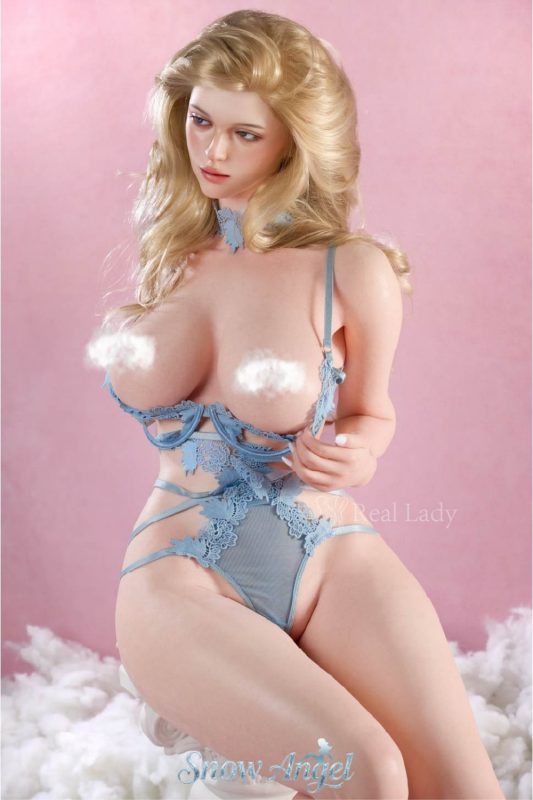




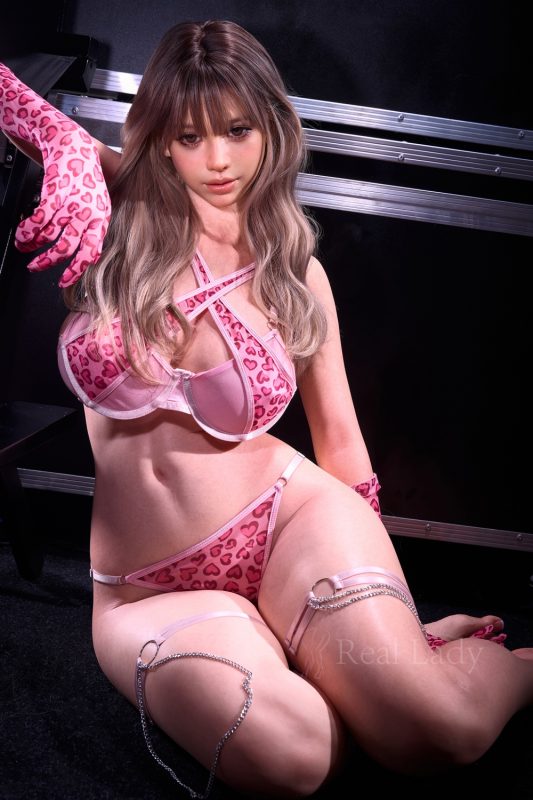
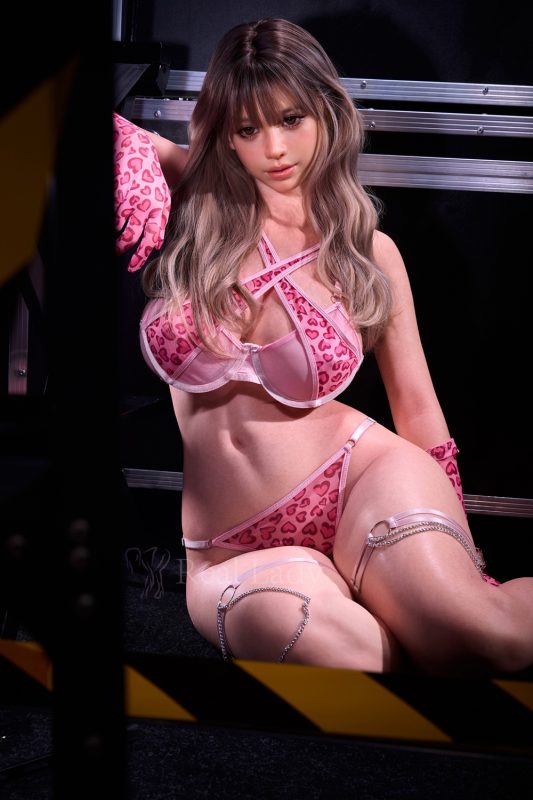






















Wide hip sex dolls feature a hip circumference of 85–105 cm (33–41 in) that creates a pronounced hourglass silhouette with a lower center of gravity suited for rear-entry and seated positions—while narrow hip dolls run 65–80 cm (26–31 in) with a leaner, more agile frame that handles missionary and standing positions with less weight and easier maneuverability. The hip width you pick changes how the doll looks, how it balances, what clothes fit, and how much storage space it eats up.
⚠️ Important Notice: This content is intended for adults aged 18 and over only. All products discussed are legal adult novelty items manufactured for personal use. Orders ship in discreet, unmarked packaging with no external branding. This article is for informational purposes and does not constitute professional advice of any kind.
What “Wide” and “Narrow” Actually Mean in Doll Specs
Manufacturers don’t use a universal standard for hip classification, but the industry has settled into rough bands that most factories follow. Here’s what the numbers translate to in practice:
Narrow hips: 65–80 cm hip circumference (26–31 in). This is the classic slim-build frame. The hip-to-waist ratio is lower—typically 0.65 to 0.70. The body reads as athletic or petite. Common on dolls marketed as “teen” or “slim” body types at heights of 140–158 cm.
Medium hips: 80–90 cm (31–35 in). The middle ground. Waist-to-hip ratio around 0.70–0.75. Most 158–165 cm dolls fall here by default unless a specific wide or narrow build is selected.
Wide hips: 90–105 cm (35–41 in). The “curvy” or “voluptuous” body profile. Waist-to-hip ratio 0.75 and above. The hip shelf becomes visually dominant. Standard on body types marketed as “thick,” “curvy,” or “BBW-inspired.”
Anything above 105 cm is custom mold territory—not available off the shelf from most manufacturers, and typically requires a bespoke body order with a significant price bump.
But here’s what matters: hip width isn’t just a number on a spec sheet. It changes everything downstream—balance, weight, clothing compatibility, and how the doll interacts with your physical space.

Side-by-Side: Wide Hips vs Narrow Hips Across Every Dimension
Hip circumference ranges based on manufacturer catalogs from 10 major suppliers, 2024–2025. Weight ranges assume standard solid TPE construction at 158 cm body height. Silicone equivalents run 15–25% heavier. [Source: manufacturer specification sheets, 2025]
How Hip Width Changes the Physical Experience of Handling a Doll
Hip width affects handling more than most buyers expect. It’s not just about looks.
A narrow-hip 158 cm TPE doll at 30 lbs is a one-arm lift for most adults. You can reposition from lying to seated to standing with a forearm under the upper back and minimal effort. That matters when you’re rearranging every few days or swapping outfits—which happens more than you’d think.
A wide-hip 158 cm TPE doll at 38 lbs is a different beast. The extra 8 lbs sits low. Gripping under the arms doesn’t distribute the weight cleanly because the hip mass pulls the center of gravity downward. You end up bear-hugging the torso to move it, which gets old if you’re doing it frequently.
Our testing team has a simple rule of thumb: if the hip circumference exceeds 90 cm and total doll weight exceeds 35 lbs, plan on a dedicated handling setup. A rolling storage case. A positioning wedge. Something. Don’t expect to casually one-arm a wide-hip doll around the room the way you would a slim build.
This isn’t a dealbreaker for wide hips. It’s just the tradeoff. Curves cost weight, and weight costs effort.
Position Compatibility: Why Hip Width Dictates What Works
This is where hip width stops being aesthetic and becomes functional.
Doggy style and rear-entry positions favor wide hips. The hip shelf creates a natural stop point and a fuller visual from behind. The wider pelvic area also distributes pressure more evenly across the doll’s lower torso joints, reducing point-load stress on the lumbar spine joint. Wide hips were built for this.
Reverse cowgirl is another wide-hip strength. The broader hip base provides a more stable platform when the doll is positioned face-down on top. Narrow hips can feel unstable here—less surface contact, more wobble.
Missionary flips the script. Narrow hips are substantially easier to manage because the legs spread wider and the lighter frame makes it simpler to adjust hip angle mid-session without disrupting positioning. Wide hips in missionary require more deliberate leg positioning and can feel heavier to adjust in the moment.
Standing positions lean narrow. Less total weight means less fatigue, and the narrower frame is easier to brace against a wall or stand. Wide hips add leverage that works against you in standing scenarios—the hip mass wants to rotate forward.
Seated positions are the one area where hip width doesn’t sharply tip the scales either way. Both wide and narrow hips work fine seated. Wide hips fill out a chair more naturally and create a more grounded seated posture.
Here’s the honest rule: if rear-entry positions are your primary use case, wide hips are the stronger pick and worth the extra weight. If you switch between multiple positions regularly, narrow hips are more versatile without any single position becoming a struggle.
Clothing Compatibility: The Sizing Surprise Nobody Mentions
Clothing dolls is half the fun for a lot of buyers. Hip width determines whether that’s easy or a project.
Narrow hips (65–80 cm) map closely to US women’s XS–S or Asian M–L. Standard off-the-rack clothing fits with minimal alteration. Crop tops, bodysuits, jeans—all slide on without wrestling. This is the low-effort clothing option.
Wide hips (90–105 cm) fall into US women’s M–L or XL territory on bottom pieces, which sounds manageable until you realize most women’s sizing is cut for a human hip-to-waist ratio that doesn’t match doll proportions. Wide-hip dolls often have small waists paired with large hips—an exaggerated hourglass that reality doesn’t typically accommodate in standard sizing.
What that means: jeans and fitted skirts that fit the hips will gap at the waist. Stretch fabrics become your best friend. Leggings, jersey dresses, and elastic-waist bottoms are plug-and-play. Anything structured—denim, tailored trousers, pencil skirts—will likely need alteration or a belt.
Also worth knowing: wide-hip dolls with inner thigh contact (common above 95 cm hip circumference) can make pulling up fitted bottoms more difficult because the thighs create friction. A light dusting of renewal powder solves this, but it’s an extra step narrow-hip owners rarely think about.
For buyers planning to dress and display dolls in various outfits, narrow hips simplify wardrobe management significantly.
Storage Reality: Measure Before You Order Wide Hips
Hip width directly dictates how much horizontal space a doll occupies in storage. This catches buyers off guard because they think in terms of height—”can I fit a 158 cm doll?”—and forget that width is the tighter bottleneck.
A narrow-hip doll at 158 cm might need 35–40 cm of horizontal clearance in a storage case. That fits under most beds, in most closets, and in standard doll storage solutions.
A wide-hip doll at the same 158 cm height might need 45–55 cm of horizontal clearance. That’s 5–8 inches wider, and those inches matter. Standard under-bed clearance is 6–8 inches. A wide-hip doll in a case easily exceeds that.
Storage cases for wide-hip dolls are also heavier and bulkier to handle, which compounds the weight problem—you’re not just storing a heavier doll, you’re storing it in a heavier container that takes up more floor area.
Measure before you order. Write down your available storage dimensions—length, width, height—and compare them against the doll’s hip circumference plus 5–10 cm of padding clearance. If the numbers don’t work, a compact doll storage solution designed for wider body types is worth the investment.
Industry Truth: Most Budget Dolls Default to Medium-Narrow
Here’s a pattern we’ve tracked across dozens of manufacturer catalogs: entry-level dolls overwhelmingly default to medium or narrow hip profiles. The reason is purely economic.
Wider hips require more TPE or silicone per mold pour. More material cost. More mold complexity to maintain the exaggerated hip shelf without introducing casting defects. More shipping weight, which eats into margins on “free shipping” listings.
The result: if you’re shopping in the $600–1,200 range, you’re probably looking at narrow or medium hips regardless of what the marketing photos suggest. True wide-hip builds (95 cm+) at that price point are uncommon. They exist, but you need to verify with unedited factory photos, not studio shots shot from flattering angles that exaggerate the hip-to-waist contrast.
For genuine wide-hip doll builds with verified measurements, expect to be in the 1,500+rangeforTPEand1,500+rangeforTPEand2,200+ for silicone. The material cost and mold complexity scale faster with hip width than with height, which is why a 158 cm wide-hip build can cost as much as a 170 cm narrow build.
Narrow vs Wide Hips: The Decision Map
Not sure which way to go? Here’s the no-BS decision tree:
- Rear-entry positions are your main thing? → Wide hips. Accept the extra weight and storage width.
- You switch positions frequently? → Narrow hips. More versatile without compromise.
- Storage space is tight? → Narrow hips. Wide hips don’t fit under most beds.
- Clothing variety matters to you? → Narrow hips. XS–S fits off the rack.
- Visual impact and photography are priorities? → Wide hips. The silhouette photographs better from every angle.
- You’re a first-time owner? → Narrow hips. Learn handling on the lighter body before scaling up.
- You have a dedicated storage and handling setup? → Either. Wide hips cost more but deliver on their promise if you’ve planned the logistics.
Frequently Asked Questions
Q: Can I get wide hips on a shorter doll, like 140 cm?
A: Yes, but it’s less common. Adding wide hips to a short frame usually requires a custom body order. The proportions can look exaggerated—short torso, wide hips—which some buyers want and others find unnatural. Most wide-hip body styles start at 158 cm and scale up.
Q: Do wide hips affect the internal skeleton differently?
A: The internal skeleton is the same across hip widths within the same body series. But the extra material mass around the hips puts more stress on the lower spine and hip joints during repositioning. Joint tightening every 12–18 months is more important on wide-hip builds.
Q: Is one hip type better for TPE vs silicone?
A: TPE handles wide hips fine at standard and high densities. Silicone’s extra weight at wide-hip dimensions can push total doll weight over 50 lbs, which becomes a serious handling challenge. If you want wide hips in silicone, consider a hollow-torso configuration to offset the weight penalty.
Q: Can narrow hips still look curvy?
A: Yes, with the right body style. A narrow hip with a high waist-to-hip ratio (0.70–0.73) and a pronounced bust still reads as a curvy frame—just a leaner, more athletic version of it. The silhouette is more “fitness model” than “hourglass bombshell.”
Q: How do I verify hip measurements before buying?
A: Ask for a factory measurement sheet with a measuring tape visible in-frame against the doll’s hip circumference. Studio marketing shots can use lens distortion to exaggerate curves. A photo with a visible tape measure around the widest point of the hips is the only way to verify.