- New Arrivals
[Oriental Series] 153cm/5ft F-cup Silicone Collectible Lifelike Dolls – Yuna, Head S14 ROS MAX
Original price was: $2,794.00.$2,694.00Current price is: $2,694.00.[Oriental Series]168cm (5’6″) Realistic Textured Skin Silicone Collectible Lifelike Dolls – Scarlett ,Head R5 RosMax
Original price was: $3,360.00.$3,260.00Current price is: $3,260.00.159cm (5’2″) H-cup Real Skin Textured Silicone Premium Collectible Figures – Lena, Head Ros maxR8
Original price was: $3,310.00.$3,210.00Current price is: $3,210.00.[Oriental Series] 153cm/5ft F-cup Silicone Collectible Lifelike Dolls – Yuna, Head T1
Original price was: $2,794.00.$2,694.00Current price is: $2,694.00.159cm (5’2″) H-cup Real Skin Textured Silicone Collectible Lifelike Dolls – Hailey head Ros maxR9
Original price was: $3,310.00.$3,210.00Current price is: $3,210.00.159cm (5’2″) H-cup Real Skin Textured Silicone Premium Collectible Figures – Hailey head Ros maxR9
Original price was: $3,310.00.$3,210.00Current price is: $3,210.00. - Brands & IN Stock
- Create Your Own

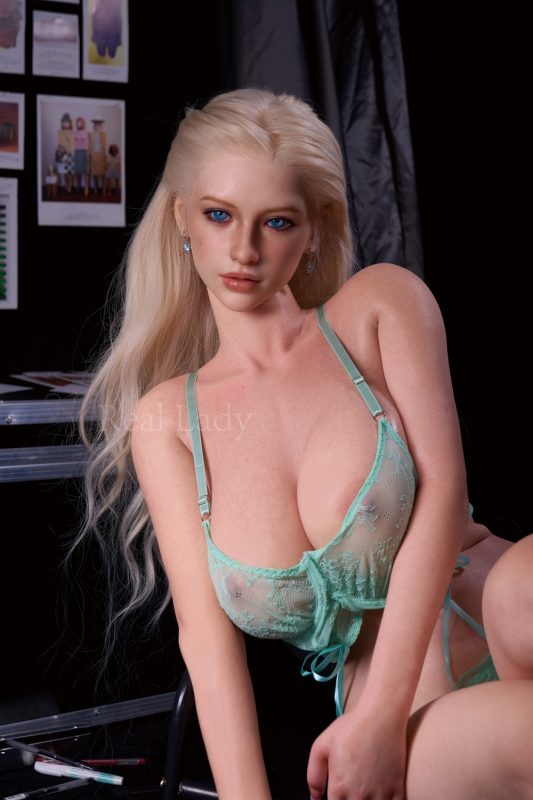

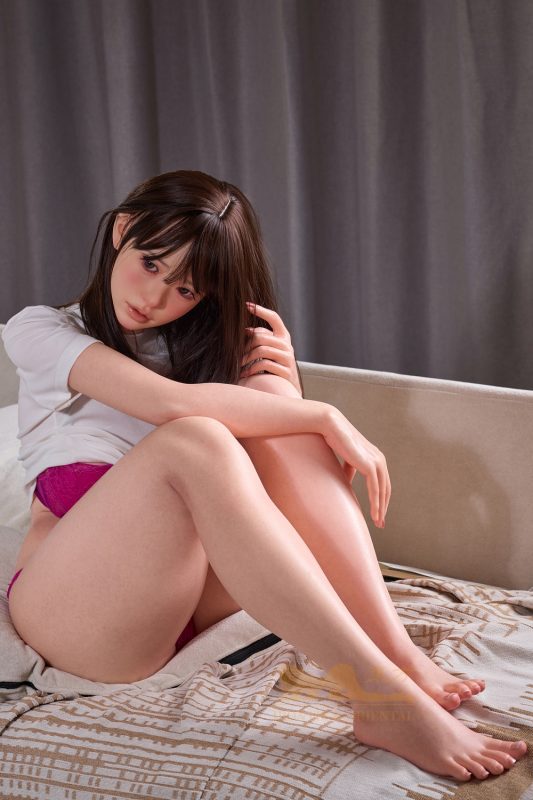
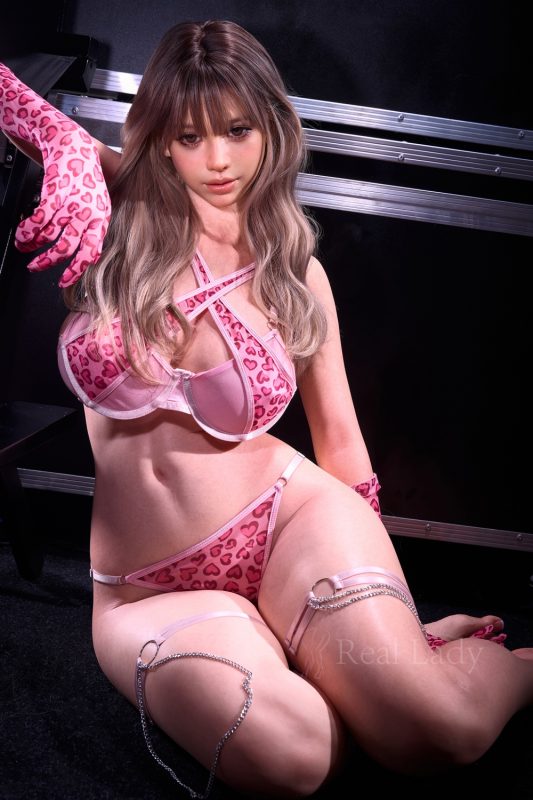
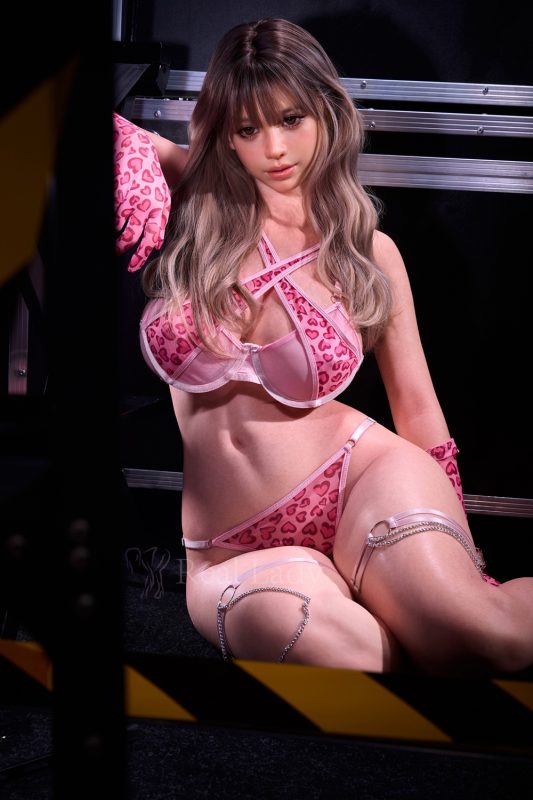






















Amazon position with a large sex doll is technically possible but physically demanding. The position requires the doll to maintain a supported, elevated torso posture — which means your doll needs strong hip and knee joints, manageable weight (under 32kg for practical handling), and a height range that matches your own frame (155-165cm works best for most users). Dolls over 170cm or 35kg+ make this position genuinely impractical for solo use.
What “Large” Actually Means for Positioning
“Large sex doll” is a sliding scale. Here’s the breakdown that matters for positioning:
| Size Class | Height | Typical Weight | Positioning Difficulty |
| Mid-size | 148-158cm | 22-30kg | Manageable — most positions accessible |
| Full-size | 160-168cm | 28-38kg | Demanding — fewer positions work smoothly |
| Large/Tall | 170cm+ | 35-50kg | Extremely limited — 1-2 viable positions |
The jump from full-size to large is where positioning options collapse. At 148cm and 24kg, you can reposition mid-session without thinking about it. At 172cm and 42kg, every position change is a deliberate physical effort.
Here’s the deal: when people search for this topic, most are working with dolls in the 155-168cm range — which is “full-size” but not truly “large” in the 170cm+ sense. The answers change dramatically depending on which bracket you’re actually in.
The Physics Problem: Why This Position is Uniquely Demanding
Every position makes different demands on a doll’s body. Missionary needs hip flexibility and manageable leg weight. Doggy needs knee stability and lower back support. But the position you’re asking about has its own physics checklist — and it’s more demanding than most.
The core mechanical challenge: The doll’s torso must maintain an elevated, supported posture. Unlike missionary where the doll lies flat and gravity does the work, this position requires the doll’s upper body to stay in place while the lower body supports weight in a specific configuration.
Three things fight against you:
1. Dead weight at the hip joint. When the doll’s legs are positioned to support this posture, the hip joints bear concentrated load. On a 28kg doll, each hip might need to hold 8-10kg in a rotated position. Most factory skeletons are designed for straight-leg or slight-bend articulation — not sustained angled loading.
2. Torso collapse risk. If the doll’s core isn’t supported, the midsection folds. TPE dolls are more prone to this because the material compresses under sustained weight. Silicone holds shape better but weighs more, creating its own problem. Either way, you need external support — pillows, bolsters, or purpose-built positioning aids.
3. Arm and shoulder joint limits. This position typically involves the doll’s arms in a supporting role. Factory shoulder joints on most dolls have a 45-60° backward rotation limit. Exceed it, and either the joint locks or the TPE/silicone around the shoulder tears from overextension. Check your doll’s shoulder ROM spec before attempting any arm-supported position.
Height and Weight: The Two Numbers That Decide Everything
Weight: The 32kg Ceiling
For this position to work without a second person helping, your doll needs to stay under 32kg. Here’s why:
| Weight Bracket | Solo Feasibility | What Happens |
| Under 25kg | Easy | Reposition legs and torso with one hand |
| 25-30kg | Doable | Requires both hands for adjustments; takes practice |
| 30-35kg | Borderline | Position setup takes 3-5 minutes; mid-session adjustments are difficult |
| 35kg+ | Not practical alone | Beyond safe solo handling for this specific position |
The weight problem compounds because you’re not just lifting — you’re positioning limbs at specific angles while supporting torso weight. That’s exponentially harder than a straight lift.
Height: It’s About Your Frame, Not the Doll’s
The doll’s height matters less than the height ratio between you and the doll. The position works best when:
- Your torso length roughly matches or slightly exceeds the doll’s torso length
- The surface height (bed, mat, floor) aligns your hip level with the doll’s hip level
For most users between 170-185cm, dolls in the 155-165cm range create the best geometric match. Taller dolls (168cm+) push the proportions out of alignment for anyone under 190cm.
The surface matters more than you think. A standard bed height (45-55cm from floor) puts most users in an awkward mid-squat relative to a doll. A lower surface — a floor mat or a low platform — brings your hips into better alignment. Test your positioning height before buying a doll for this purpose.

Joint Flexibility: The Make-or-Break Variable
Not all skeletons are equal. The difference between a doll that works for this position and one that doesn’t often comes down to a single spec: hip abduction range.
| Joint Spec | What It Allows | Which Dolls Have It |
| Standard skeleton | 45-60° hip abduction, 30° backward shoulder rotation | Most mid-range dolls (800−800−1,500) |
| EVO/advanced skeleton | 70-90° hip abduction, 50° shoulder rotation, articulated spine | Premium brands (Zelex, Starpery, Irontech) |
| Yoga skeleton | Full 180° splits capability, multi-axis shoulder | Specialty/niche models only |
[Source: Manufacturer skeleton spec sheets — WM Dolls, Zelex, Irontech, Starpery — May 2026]
For this position specifically, you need at minimum 60-70° hip abduction. Standard 45° skeletons won’t cut it — the legs won’t reach the needed angle without forcing the joint, which risks permanent loosening or TPE tearing around the hip socket.
How to check before buying: Ask the vendor directly: “What is the maximum hip abduction angle on this model’s skeleton?” If they can’t answer, assume it’s standard (45-60°) and insufficient for this position.
Knee Joints: The Overlooked Factor
Knee joints bear weight in a bent position during this setup. On heavier dolls (28kg+), bent knees under load accelerate joint wear. After 6-12 months of regular use, you may notice the knees becoming looser — the doll’s legs won’t hold the bent position as firmly.
This isn’t a defect. It’s physics. Weight + repeated bending = accelerated wear. If this position is your primary use case, factor in that you may need joint tightening or skeleton maintenance sooner than average.
Doll Size Compatibility Matrix
| Doll Height | Weight (TPE) | Hip Abduction Needed | Feasibility | Best For |
| 148-152cm | 20-26kg | 50-60° | Good | Lighter users, easy positioning |
| 155-160cm | 24-30kg | 60-70° | Excellent | Best balance — proportions + handling |
| 162-168cm | 28-36kg | 70-80° | Borderline | Requires EVO skeleton and fitness |
| 170cm+ | 35-50kg | 80°+ | Not recommended | Position becomes impractical |
The sweet spot is 155-160cm with an EVO skeleton. You get manageable weight, sufficient hip ROM, and torso proportions that align well with most users’ body geometry.
Material Considerations
TPE and silicone behave differently under the sustained joint loading this position creates:
| Factor | TPE | Silicone |
| Joint area stress | Softer material around joints flexes more — lower tear risk at attachment points | Stiffer material resists flex — but when it tears, it tears clean |
| Torso support | Compresses under weight — needs firmer external support | Holds shape — needs less external support |
| Weight at same size | 10-15% lighter — easier to position | Heavier — harder to set up, stays in place better once set |
| Surface friction | Grips fabric — less sliding during sustained posture | Slides on smooth surfaces — may need a non-slip mat |
Recommendation: TPE at 155-160cm is the pragmatic choice. The weight savings and joint-area flexibility give you more margin for error during setup. Silicone only makes sense here if you have an EVO skeleton and are confident in your handling strength.
4 Mistakes People Make When Attempting This Position
1. Trying it with a standard skeleton doll. Standard skeletons max out at 45-60° hip abduction. You’ll feel resistance before the legs reach the needed angle. Forcing it stretches the TPE around the hip socket — micro-tears that grow over time. If your doll doesn’t have an EVO or advanced skeleton, this position is off the table. Period.
2. Ignoring the surface. Bed height changes everything. Too high, and you’re straining upward. Too soft, and the doll’s support props sink into the mattress, collapsing the posture. A firm surface at the right height is not optional — it’s the foundation the entire position rests on.
3. Not using external support. The doll’s torso cannot maintain the required posture unsupported. You need positioning aids: a wedge pillow (25-30° angle works best), a firm bolster under the lower back, or a purpose-built positioning cushion. Without them, the midsection folds and the angle collapses within 1-2 minutes.
4. Buying a doll specifically for this position without testing handling weight first. Go to a gym supply store. Buy a 25kg kettlebell or dumbbell. At home, kneel on your bed and lift it into position, hold it at arm’s length for 20 seconds, reposition it. Do that three times. If it’s uncomfortable, a doll will be worse — because a doll has no grip points and joints that resist every movement. Better to spend 40onatestweightthan40onatestweightthan1,500 on a doll you can’t handle.
Frequently Asked Questions
Q: What’s the best doll height for this position?
A: 155-160cm. Below that, torso proportions feel short and the geometry doesn’t align for most users. Above 165cm, weight climbs past the point where solo positioning is comfortable. The 155-160cm bracket with an EVO skeleton hits the intersection of manageable weight, sufficient hip ROM, and good proportional match for users 170-185cm tall.
Q: Can I do this with a 170cm+ doll?
A: Not practically alone. At 35-50kg, the weight makes sustained positioning a two-person operation. Even with help, the joint stress on hips and knees at this weight class accelerates wear significantly. If you already own a 170cm+ doll and want to try, use maximum external support and accept that setup will take 5-10 minutes each time.
Q: Which skeleton type do I need?
A: EVO or advanced skeleton with minimum 70° hip abduction. Standard skeletons (45-60°) physically cannot reach the required leg angles without forcing the joint. Check the spec sheet or ask the vendor directly. If the answer is vague, assume standard skeleton and look elsewhere.
Q: Will this position damage my doll over time?
A: Over months of regular use, yes — some wear is inevitable. Hip and knee joints loosen faster under repeated angled loading. TPE around joint sockets may develop micro-stretch marks. This isn’t catastrophic — most dolls handle it fine for 12-18 months before noticeable loosening. But go in knowing that positions involving sustained joint loading accelerate the maintenance timeline.
Q: Is a lighter doll always better for this position?
A: Lighter makes setup easier. But too light (under 20kg) means the doll doesn’t have enough mass to stay in position — it shifts when you move. The ideal range is 24-28kg: heavy enough to stay put, light enough to reposition. Mini dolls (under 140cm) are easy to move but proportionally wrong for this position’s geometry.