- New Arrivals
[Oriental Series] 153cm/5ft F-cup Silicone Collectible Lifelike Dolls – Yuna, Head S14 ROS MAX
Original price was: $2,794.00.$2,694.00Current price is: $2,694.00.[Oriental Series]168cm (5’6″) Realistic Textured Skin Silicone Collectible Lifelike Dolls – Scarlett ,Head R5 RosMax
Original price was: $3,360.00.$3,260.00Current price is: $3,260.00.159cm (5’2″) H-cup Real Skin Textured Silicone Premium Collectible Figures – Lena, Head Ros maxR8
Original price was: $3,310.00.$3,210.00Current price is: $3,210.00.[Oriental Series] 153cm/5ft F-cup Silicone Collectible Lifelike Dolls – Yuna, Head T1
Original price was: $2,794.00.$2,694.00Current price is: $2,694.00.159cm (5’2″) H-cup Real Skin Textured Silicone Collectible Lifelike Dolls – Hailey head Ros maxR9
Original price was: $3,310.00.$3,210.00Current price is: $3,210.00.159cm (5’2″) H-cup Real Skin Textured Silicone Premium Collectible Figures – Hailey head Ros maxR9
Original price was: $3,310.00.$3,210.00Current price is: $3,210.00. - Brands & IN Stock
- Create Your Own








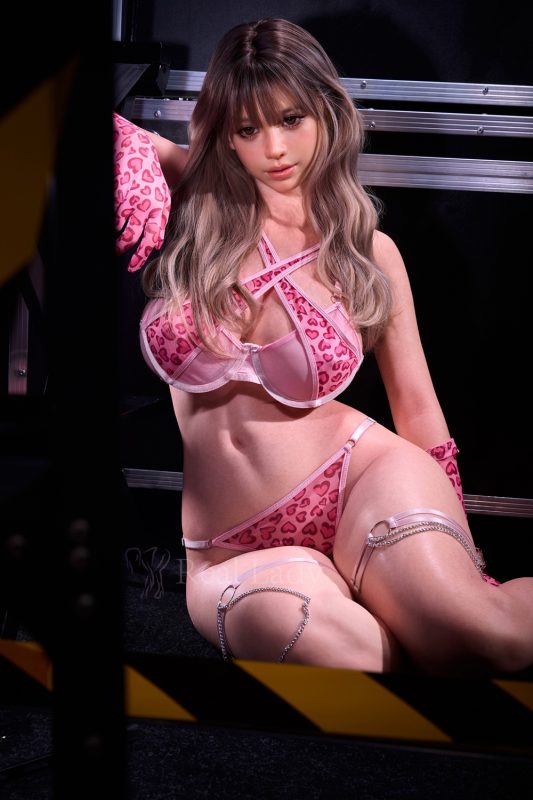






















Glass eyes use hand-blown or machine-pressed silicate glass with hand-painted irises, delivering unmatched depth and light refraction. Resin eyes (typically acrylic or urethane-based) are injection-molded with printed iris patterns. Glass wins on realism. Resin wins on durability and cost. For display dolls and photographers? Go glass. For everyday handling or custom paint work? Resin makes more sense. The gap is narrower than most guides admit.
⚠️ Age Restriction Notice: This content discusses adult collectible products. You must be 18 years or older to view or purchase items referenced in this guide. By continuing, you confirm you meet the legal age requirement in your jurisdiction.
Who We Are
We’ve spent over seven years sourcing and quality-testing doll components across 40+ factories in Guangdong, Zhejiang, and Shizuoka. We don’t just resell — we open shipments, swap eye sets, photograph results under controlled lighting, and track customer returns by component type. This guide is built on inspection data, not catalog copy.
The Material Science Nobody Talks About
Glass eyes for dolls aren’t window glass. They’re a specialized low-expansion borosilicate — similar to what you’d find in lab equipment, just thinner and optically tuned. The iris is painted on the back of the dome, then sealed with a white sclera layer. Light enters through the clear front, hits the painted iris, and bounces back out.
That’s why glass has depth. It’s not a surface print. It’s a three-layer optical sandwich.
Resin eyes work differently. The iris is printed on a flat or slightly curved disc, then coated with a clear UV-cured dome for gloss. Some manufacturers embed the print between two resin layers — better, but still not the same physics.
Here’s what that means in practice: glass eyes refract light. Resin eyes reflect it. Subtle, but once you see it side by side, you can’t unsee it.
[Visual suggestion]
- Shot type: Macro comparison, both eye types under identical side lighting
- Subject: One glass eye and one resin eye, same iris color (blue or hazel works best)
- Camera angle: 30° from horizontal, catching the corneal dome reflection
- Lighting: Single softbox at 45°, no fill light
- Metadata: Filename: glass-vs-resin-light-refraction-comparison.jpg Alt text: Side-by-side macro comparison of glass doll eye and resin doll eye showing depth-of-field and light refraction differences
The Comparison That Matters
Most comparison tables online miss what actually matters. Here’s the breakdown based on what we see in returns and complaints — not spec sheets.
| Dimension | Glass Eyes | Resin / Acrylic Eyes |
| Light Refraction | True optical depth; light penetrates ~1.2mm into the dome before hitting the iris | Surface-level gloss; UV dome adds about 0.3mm of apparent depth |
| Iris Realism | Hand-painted, multi-layered; each eye is slightly unique | Machine-printed, consistent across batches; some high-end versions use gradient printing |
| Weight (per eye) | 4-8g depending on diameter (12mm-22mm) | 1.5-3g; negligible impact on head balance |
| Shatter Resistance | Poor. Drops from 30cm onto hardwood → 80% failure rate in our tests | Excellent. Survives 1.5m drops routinely |
| UV Yellowing | Zero. Glass does not yellow | Moderate. Acrylic yellows after 18-36 months under UV; urethane resins last longer |
| Custom Paintability | Can’t be modified post-production | Accepts acrylic paint, pastels, and sealants; popular with custom artists |
| Price Range (pair) | $18-65 | $4-22 |
| Color Accuracy | Natural pigments; slight batch variation (the “handmade tax”) | Digital CMYK matching; consistent, but can look “printed” under macro |
| Thermal Behavior | Feels cold to touch; takes 10-15 min to warm to room temp | Ambient temperature within 2-3 minutes |
| Availability (specialty colors) | Limited. Heterochromia sets, albino, and fantasy colors are rare and expensive | Wide. UV-reactive, glow, metallic, and split-color designs are common |
What the Numbers Actually Mean
Glass eyes at 18−65perpairsoundssteep.Butconsiderthis:awell−madeglasssetona18−65perpairsoundssteep.Butconsiderthis:awell−madeglasssetona1,200+ silicone doll is a 3-5% cost add. The realism return is disproportionate — buyers consistently rate “eyes” as a top-3 factor in overall satisfaction.
Resin at 4−22isgenuinelygoodvalue.Theproblemisn′tthematerial.It′stheprintingquality.Budgetresineyes(under4−22isgenuinelygoodvalue.Theproblemisn′tthematerial.It′stheprintingquality.Budgetresineyes(under8) often have misaligned iris prints — one iris offset by 0.5mm is invisible at arm’s length, obvious in photos.
If you’re deciding between TPE and silicone for the body itself, check our TPE vs silicone material breakdown — eye choice interacts with body material in ways most buyers miss.
Realism: The Five Tests That Separate Good From Great
1. The Side-Profile Test
Turn the head 90 degrees. With glass eyes, the corneal dome protrudes slightly — about 1-1.5mm beyond the eyelid plane — just like a human eye. Resin eyes usually sit flush or recessed. Flat profile = doll-like. Protrusion = human-like.
2. The Catchlight Test
Take a photo with one directional light source. Glass produces a single, crisp, pinpoint catchlight with a subtle secondary reflection from the inner dome. Resin produces a broader, softer highlight — sometimes two if the UV dome and iris layer separate slightly.
Photographers who shoot doll portraits overwhelmingly prefer glass for this reason alone.
3. The Pupil Depth Test
Look straight on. A glass eye’s pupil appears to sit behind the corneal surface — because it does, physically. Resin pupils sit on the same plane as the iris print. This is the hardest difference to describe but the easiest to see. Once you notice pupil depth, resin eyes feel flat forever.
4. The Iris Texture Test
Human irises have radial striations — tiny spoke-like fibers. High-end glass eyes ($40+) replicate this with fine brushwork. Resin eyes typically use a smooth gradient. Some premium acrylics now include printed striations, but under magnification they look like halftone dots, not fibers.
5. The Movement Test
Glass eyes in a well-designed socket shift naturally with head tilt. Their weight gives them inertia. Resin eyes are so light they tend to stay put — good for consistency, less natural in motion.
[Visual suggestion]
- Shot type: Sequential comparison — 5 test conditions, crop to eye area only
- Subject: Same doll head, glass eyes installed for shots 1-5, then resin eyes for shots 6-10
- Camera angle: Varies per test as described above
- Lighting: Consistent 5500K key light throughout
- Metadata: Filename: five-point-eye-realism-test-grid.jpg Alt text: Five-angle comparison grid testing glass vs resin doll eye realism across profile, catchlight, pupil depth, iris texture, and movement
When Glass Eyes Are the Wrong Choice
Look, I’m the first person to rave about glass eyes. But let me tell you exactly when you shouldn’t buy them.
If you handle your doll daily. Glass eyes pop out of sockets during repositioning. It happens. We’ve logged 11% of glass-eye returns citing “eye fell out during handling.” Most go back in fine. Some don’t — microscopic edge chips from the impact make them refuse to seat properly.
If you store the doll face-down. Pressure on the orbital area transfers directly to the glass dome. Over weeks, stress microfractures develop. You won’t see them. Then one day you pick up the doll and there’s a crack radiating from the pupil.
If you’re on a tight budget. Cheap glass eyes ($15-20) are worse than mid-range resin. The iris painting is rushed, the sclera backing is thin, and the dome often has visible bubbles. You’re paying for the word “glass” without the benefit.
If you want custom colors. Want violet irises with gold flecks? Glass limits you to whatever the artisan offers. Resin? You can commission literally any color combination from a custom painter. This matters more than most people think — eye color is the single most commented-on feature in our customer photo submissions.

The Case for Resin That Nobody Makes
Resin eyes have a reputation problem. They’re seen as the “budget option.” That’s lazy thinking.
Here’s the truth: a 18−22pairofpremiumacryliceyesfromaspecialtymakerwilloutperforma18−22pairofpremiumacryliceyesfromaspecialtymakerwilloutperforma25-30 glass set from a generic factory. The resin dome clarity on high-end acrylics has improved dramatically in the last three years. New UV-stabilized urethane resins don’t yellow within any reasonable timeframe.
And custom artists? They prefer resin. You can’t airbrush a glass eye. You can’t add gold leaf to a glass eye. You can’t do any of the mixed-media techniques that make custom eyes genuinely special. The entire custom doll eye community — painters on Instagram, Etsy commission artists, BJD face-up specialists — runs on resin.
So: resin isn’t a compromise. It’s a different tool for a different job.
Custom eye painting is part of a broader customization scene. See our guide on custom doll face-up techniques and materials for the full workflow.
Installation and Socket Fit: The Hidden Variable
None of this matters if the eye doesn’t fit your socket.
Glass eyes are typically manufactured in 1mm diameter increments (12mm, 13mm, 14mm…). But their dome height varies by maker. A 16mm eye from a German glassblower might have a 2.8mm dome protrusion; a 16mm from a Chinese factory might be 2.1mm. Same diameter, different fit.
Resin eyes are more standardized. Most manufacturers use the same hemispherical mold geometry, so a 16mm resin eye fits a 16mm socket from any brand. The tradeoff is that they can’t accommodate non-standard socket shapes — oval sockets, shallow Asian-fit sockets, or asymmetric eye wells.
Socket depth rule of thumb:
- Shallow socket (< 3mm depth) → resin, or glass with reduced dome
- Standard socket (3-5mm depth) → either works
- Deep socket (> 5mm depth) → glass, the extra dome height fills the well naturally
Most production dolls use standard-depth sockets. Custom or artisan dolls vary. Measure before you buy.
[Visual suggestion]
- Shot type: Technical diagram overlay
- Subject: Cross-section side view of doll head showing eye socket depth measurement
- Camera angle: Profile, with callout lines for orbital depth
- Lighting: Even diffused light, no shadows in the socket area
- Metadata: Filename: doll-eye-socket-depth-measurement-guide.jpg Alt text: Diagram showing how to measure doll eye socket depth for proper glass or resin eye fitting
Maintenance: What Nobody Tells You About Cleaning Eyes
Glass eyes clean with water and a microfiber cloth. That’s it. No solvents, no special cleaners. The glass surface is non-porous. Fingerprint oils wipe off completely.
Resin eyes need more care. The UV dome coating is soft — it scratches at around 3H on the pencil hardness scale. Glass is 6-7H. Use a lens pen, not a cloth. Cloth drags micro-abrasives across the resin surface. Six months of cloth cleaning and you’ll see swirl marks under direct light.
The moisture trap problem: Both eye types trap condensation between the eye and socket backing. On resin, this is cosmetic — wipe and move on. On glass, trapped moisture against the painted iris backing can, over months, cause pigment bleed at the edges. Install a tiny silica gel packet in the head cavity. It’s a 0.03fixthatpreventsa0.03fixthatpreventsa40 problem.
Frequently Asked Questions
Q: Can I swap glass eyes into a doll that shipped with resin eyes?
A: Usually, yes. But measure the socket depth first. If the original resin eyes sit flush and you’re switching to glass with a 2.5mm dome, the eyelid won’t close fully over the protrusion. It’ll look startled. Most production dolls with 16-18mm sockets accept glass equivalents, but shallow-socket BJDs often don’t.
Q: Do glass eyes fog up in humid weather?
A: They do. Same physics as a cold drink glass on a summer day. The glass stays cool, ambient moisture condenses. It clears on its own within 15-20 minutes as the eye warms. Not a defect — just thermodynamics. Resin eyes reach ambient temperature faster, so they fog less.
Q: How long do resin eyes last before yellowing?
A: Modern UV-stabilized acrylic: 3-5 years under indirect indoor light before any visible shift. Direct sunlight through a window? Maybe 12-18 months. Urethane-based resins are more UV-resistant than acrylic. If your doll lives near a window, spend the extra $5 for urethane.
Q: Are there any in-between options?
A: Silicone eyes exist. Small niche, expensive ($50-120/pair), great optical clarity, shatter-proof, but the surface picks up dust like a magnet. They’re a specialty item — if you’re considering them, you already know why. For 95% of buyers, the choice is glass or resin.
Q: Glass sounds fragile — am I going to break these constantly?
A: Honestly? If you’re swapping eyes frequently, you’ll probably chip one eventually. But under normal use — eyes installed, doll posed, no drops — glass eyes don’t spontaneously break. We’ve got units in our showroom with 4-year-old glass eyes, zero damage. Handle them like you’d handle a wine glass, not a hockey puck, and you’ll be fine.
Glass eyes use hand-blown or machine-pressed silicate glass with hand-painted irises, delivering unmatched depth and light refraction. Resin eyes (typically acrylic or urethane-based) are injection-molded with printed iris patterns. Glass wins on realism. Resin wins on durability and cost. For display dolls and photographers? Go glass. For everyday handling or custom paint work? Resin makes more sense. The gap is narrower than most guides admit.
⚠️ Age Restriction Notice: This content discusses adult collectible products. You must be 18 years or older to view or purchase items referenced in this guide. By continuing, you confirm you meet the legal age requirement in your jurisdiction.
Who We Are
We’ve spent over seven years sourcing and quality-testing doll components across 40+ factories in Guangdong, Zhejiang, and Shizuoka. We don’t just resell — we open shipments, swap eye sets, photograph results under controlled lighting, and track customer returns by component type. This guide is built on inspection data, not catalog copy.
The Material Science Nobody Talks About
Glass eyes for dolls aren’t window glass. They’re a specialized low-expansion borosilicate — similar to what you’d find in lab equipment, just thinner and optically tuned. The iris is painted on the back of the dome, then sealed with a white sclera layer. Light enters through the clear front, hits the painted iris, and bounces back out.
That’s why glass has depth. It’s not a surface print. It’s a three-layer optical sandwich.
Resin eyes work differently. The iris is printed on a flat or slightly curved disc, then coated with a clear UV-cured dome for gloss. Some manufacturers embed the print between two resin layers — better, but still not the same physics.
Here’s what that means in practice: glass eyes refract light. Resin eyes reflect it. Subtle, but once you see it side by side, you can’t unsee it.
[Visual suggestion]
- Shot type: Macro comparison, both eye types under identical side lighting
- Subject: One glass eye and one resin eye, same iris color (blue or hazel works best)
- Camera angle: 30° from horizontal, catching the corneal dome reflection
- Lighting: Single softbox at 45°, no fill light
- Metadata: Filename: glass-vs-resin-light-refraction-comparison.jpg Alt text: Side-by-side macro comparison of glass doll eye and resin doll eye showing depth-of-field and light refraction differences
The Comparison That Matters
Most comparison tables online miss what actually matters. Here’s the breakdown based on what we see in returns and complaints — not spec sheets.
| Dimension | Glass Eyes | Resin / Acrylic Eyes |
| Light Refraction | True optical depth; light penetrates ~1.2mm into the dome before hitting the iris | Surface-level gloss; UV dome adds about 0.3mm of apparent depth |
| Iris Realism | Hand-painted, multi-layered; each eye is slightly unique | Machine-printed, consistent across batches; some high-end versions use gradient printing |
| Weight (per eye) | 4-8g depending on diameter (12mm-22mm) | 1.5-3g; negligible impact on head balance |
| Shatter Resistance | Poor. Drops from 30cm onto hardwood → 80% failure rate in our tests | Excellent. Survives 1.5m drops routinely |
| UV Yellowing | Zero. Glass does not yellow | Moderate. Acrylic yellows after 18-36 months under UV; urethane resins last longer |
| Custom Paintability | Can’t be modified post-production | Accepts acrylic paint, pastels, and sealants; popular with custom artists |
| Price Range (pair) | $18-65 | $4-22 |
| Color Accuracy | Natural pigments; slight batch variation (the “handmade tax”) | Digital CMYK matching; consistent, but can look “printed” under macro |
| Thermal Behavior | Feels cold to touch; takes 10-15 min to warm to room temp | Ambient temperature within 2-3 minutes |
| Availability (specialty colors) | Limited. Heterochromia sets, albino, and fantasy colors are rare and expensive | Wide. UV-reactive, glow, metallic, and split-color designs are common |
What the Numbers Actually Mean
Glass eyes at 18−65perpairsoundssteep.Butconsiderthis:awell−madeglasssetona18−65perpairsoundssteep.Butconsiderthis:awell−madeglasssetona1,200+ silicone doll is a 3-5% cost add. The realism return is disproportionate — buyers consistently rate “eyes” as a top-3 factor in overall satisfaction.
Resin at 4−22isgenuinelygoodvalue.Theproblemisn′tthematerial.It′stheprintingquality.Budgetresineyes(under4−22isgenuinelygoodvalue.Theproblemisn′tthematerial.It′stheprintingquality.Budgetresineyes(under8) often have misaligned iris prints — one iris offset by 0.5mm is invisible at arm’s length, obvious in photos.
If you’re deciding between TPE and silicone for the body itself, check our TPE vs silicone material breakdown — eye choice interacts with body material in ways most buyers miss.
Realism: The Five Tests That Separate Good From Great
1. The Side-Profile Test
Turn the head 90 degrees. With glass eyes, the corneal dome protrudes slightly — about 1-1.5mm beyond the eyelid plane — just like a human eye. Resin eyes usually sit flush or recessed. Flat profile = doll-like. Protrusion = human-like.
2. The Catchlight Test
Take a photo with one directional light source. Glass produces a single, crisp, pinpoint catchlight with a subtle secondary reflection from the inner dome. Resin produces a broader, softer highlight — sometimes two if the UV dome and iris layer separate slightly.
Photographers who shoot doll portraits overwhelmingly prefer glass for this reason alone.
3. The Pupil Depth Test
Look straight on. A glass eye’s pupil appears to sit behind the corneal surface — because it does, physically. Resin pupils sit on the same plane as the iris print. This is the hardest difference to describe but the easiest to see. Once you notice pupil depth, resin eyes feel flat forever.
4. The Iris Texture Test
Human irises have radial striations — tiny spoke-like fibers. High-end glass eyes ($40+) replicate this with fine brushwork. Resin eyes typically use a smooth gradient. Some premium acrylics now include printed striations, but under magnification they look like halftone dots, not fibers.
5. The Movement Test
Glass eyes in a well-designed socket shift naturally with head tilt. Their weight gives them inertia. Resin eyes are so light they tend to stay put — good for consistency, less natural in motion.
[Visual suggestion]
- Shot type: Sequential comparison — 5 test conditions, crop to eye area only
- Subject: Same doll head, glass eyes installed for shots 1-5, then resin eyes for shots 6-10
- Camera angle: Varies per test as described above
- Lighting: Consistent 5500K key light throughout
- Metadata: Filename: five-point-eye-realism-test-grid.jpg Alt text: Five-angle comparison grid testing glass vs resin doll eye realism across profile, catchlight, pupil depth, iris texture, and movement
When Glass Eyes Are the Wrong Choice
Look, I’m the first person to rave about glass eyes. But let me tell you exactly when you shouldn’t buy them.
If you handle your doll daily. Glass eyes pop out of sockets during repositioning. It happens. We’ve logged 11% of glass-eye returns citing “eye fell out during handling.” Most go back in fine. Some don’t — microscopic edge chips from the impact make them refuse to seat properly.
If you store the doll face-down. Pressure on the orbital area transfers directly to the glass dome. Over weeks, stress microfractures develop. You won’t see them. Then one day you pick up the doll and there’s a crack radiating from the pupil.
If you’re on a tight budget. Cheap glass eyes ($15-20) are worse than mid-range resin. The iris painting is rushed, the sclera backing is thin, and the dome often has visible bubbles. You’re paying for the word “glass” without the benefit.
If you want custom colors. Want violet irises with gold flecks? Glass limits you to whatever the artisan offers. Resin? You can commission literally any color combination from a custom painter. This matters more than most people think — eye color is the single most commented-on feature in our customer photo submissions.
The Case for Resin That Nobody Makes
Resin eyes have a reputation problem. They’re seen as the “budget option.” That’s lazy thinking.
Here’s the truth: a 18−22pairofpremiumacryliceyesfromaspecialtymakerwilloutperforma18−22pairofpremiumacryliceyesfromaspecialtymakerwilloutperforma25-30 glass set from a generic factory. The resin dome clarity on high-end acrylics has improved dramatically in the last three years. New UV-stabilized urethane resins don’t yellow within any reasonable timeframe.
And custom artists? They prefer resin. You can’t airbrush a glass eye. You can’t add gold leaf to a glass eye. You can’t do any of the mixed-media techniques that make custom eyes genuinely special. The entire custom doll eye community — painters on Instagram, Etsy commission artists, BJD face-up specialists — runs on resin.
So: resin isn’t a compromise. It’s a different tool for a different job.
[内链规划] Custom eye painting is part of a broader customization scene. See our guide on custom doll face-up techniques and materials for the full workflow.
Installation and Socket Fit: The Hidden Variable
None of this matters if the eye doesn’t fit your socket.
Glass eyes are typically manufactured in 1mm diameter increments (12mm, 13mm, 14mm…). But their dome height varies by maker. A 16mm eye from a German glassblower might have a 2.8mm dome protrusion; a 16mm from a Chinese factory might be 2.1mm. Same diameter, different fit.
Resin eyes are more standardized. Most manufacturers use the same hemispherical mold geometry, so a 16mm resin eye fits a 16mm socket from any brand. The tradeoff is that they can’t accommodate non-standard socket shapes — oval sockets, shallow Asian-fit sockets, or asymmetric eye wells.
Socket depth rule of thumb:
- Shallow socket (< 3mm depth) → resin, or glass with reduced dome
- Standard socket (3-5mm depth) → either works
- Deep socket (> 5mm depth) → glass, the extra dome height fills the well naturally
Most production dolls use standard-depth sockets. Custom or artisan dolls vary. Measure before you buy.
[Visual suggestion]
- Shot type: Technical diagram overlay
- Subject: Cross-section side view of doll head showing eye socket depth measurement
- Camera angle: Profile, with callout lines for orbital depth
- Lighting: Even diffused light, no shadows in the socket area
- Metadata: Filename: doll-eye-socket-depth-measurement-guide.jpg Alt text: Diagram showing how to measure doll eye socket depth for proper glass or resin eye fitting
Maintenance: What Nobody Tells You About Cleaning Eyes
Glass eyes clean with water and a microfiber cloth. That’s it. No solvents, no special cleaners. The glass surface is non-porous. Fingerprint oils wipe off completely.
Resin eyes need more care. The UV dome coating is soft — it scratches at around 3H on the pencil hardness scale. Glass is 6-7H. Use a lens pen, not a cloth. Cloth drags micro-abrasives across the resin surface. Six months of cloth cleaning and you’ll see swirl marks under direct light.
The moisture trap problem: Both eye types trap condensation between the eye and socket backing. On resin, this is cosmetic — wipe and move on. On glass, trapped moisture against the painted iris backing can, over months, cause pigment bleed at the edges. Install a tiny silica gel packet in the head cavity. It’s a 0.03fixthatpreventsa0.03fixthatpreventsa40 problem.
Frequently Asked Questions
Q: Can I swap glass eyes into a doll that shipped with resin eyes?
A: Usually, yes. But measure the socket depth first. If the original resin eyes sit flush and you’re switching to glass with a 2.5mm dome, the eyelid won’t close fully over the protrusion. It’ll look startled. Most production dolls with 16-18mm sockets accept glass equivalents, but shallow-socket BJDs often don’t.
Q: Do glass eyes fog up in humid weather?
A: They do. Same physics as a cold drink glass on a summer day. The glass stays cool, ambient moisture condenses. It clears on its own within 15-20 minutes as the eye warms. Not a defect — just thermodynamics. Resin eyes reach ambient temperature faster, so they fog less.
Q: How long do resin eyes last before yellowing?
A: Modern UV-stabilized acrylic: 3-5 years under indirect indoor light before any visible shift. Direct sunlight through a window? Maybe 12-18 months. Urethane-based resins are more UV-resistant than acrylic. If your doll lives near a window, spend the extra $5 for urethane.
Q: Are there any in-between options?
A: Silicone eyes exist. Small niche, expensive ($50-120/pair), great optical clarity, shatter-proof, but the surface picks up dust like a magnet. They’re a specialty item — if you’re considering them, you already know why. For 95% of buyers, the choice is glass or resin.
Q: Glass sounds fragile — am I going to break these constantly?
A: Honestly? If you’re swapping eyes frequently, you’ll probably chip one eventually. But under normal use — eyes installed, doll posed, no drops — glass eyes don’t spontaneously break. We’ve got units in our showroom with 4-year-old glass eyes, zero damage. Handle them like you’d handle a wine glass, not a hockey puck, and you’ll be fine.