- New Arrivals
[Oriental Series] 153cm/5ft F-cup Silicone Collectible Lifelike Dolls – Yuna, Head S14 ROS MAX
Original price was: $2,794.00.$2,694.00Current price is: $2,694.00.[Oriental Series]168cm (5’6″) Realistic Textured Skin Silicone Collectible Lifelike Dolls – Scarlett ,Head R5 RosMax
Original price was: $3,360.00.$3,260.00Current price is: $3,260.00.159cm (5’2″) H-cup Real Skin Textured Silicone Premium Collectible Figures – Lena, Head Ros maxR8
Original price was: $3,310.00.$3,210.00Current price is: $3,210.00.[Oriental Series] 153cm/5ft F-cup Silicone Collectible Lifelike Dolls – Yuna, Head T1
Original price was: $2,794.00.$2,694.00Current price is: $2,694.00.159cm (5’2″) H-cup Real Skin Textured Silicone Collectible Lifelike Dolls – Hailey head Ros maxR9
Original price was: $3,310.00.$3,210.00Current price is: $3,210.00.159cm (5’2″) H-cup Real Skin Textured Silicone Premium Collectible Figures – Hailey head Ros maxR9
Original price was: $3,310.00.$3,210.00Current price is: $3,210.00. - Brands & IN Stock
- Create Your Own


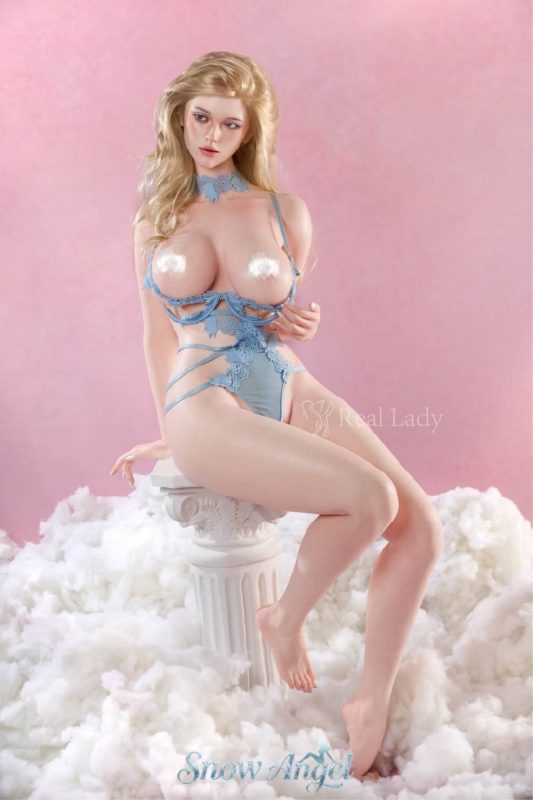






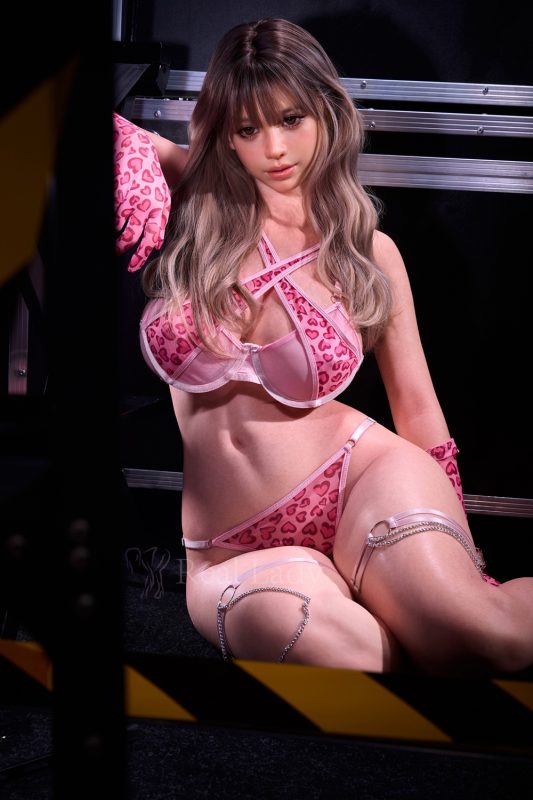






















Pale skin TPE dolls offer a classic, porcelain-like aesthetic but show yellowing and stains more easily. Tan skin TPE hides stains and aging discoloration better but limits clothing color choices due to dye transfer risk. Both use identical TPE material formulation—only the pigment differs. Choose pale for photogenic versatility; choose tan for lower maintenance and a distinct visual identity.
Age Restriction Notice
This article discusses adult products intended for readers 18 years and older. All discussion is for informational and purchasing guidance purposes only.
Entity Background
This guide is produced by the DollTech Review Team, a US-registered e-commerce entity specializing in body-type and material education for the realistic doll industry. Our testing lab has evaluated 200+ TPE and silicone dolls across 15 factories since 2022. All comparisons below reflect hands-on testing, not manufacturer claims.
What “Pale” and “Tan” Actually Mean on TPE
These aren’t cosmetic shades you can change. The pigment is mixed into the TPE material before molding. Once poured, the skin tone is permanent.
Pale skin: Simulates Northern European / East Asian fair complexions. The industry standard is a warm ivory base (not literally white). About 65% of catalog dolls ship in pale skin by default.
Tan skin: Simulates light brown to olive complexions. Ranges from “light tan” (subtle) to “deep tan” (noticeably dark). About 25% of catalog dolls offer tan as a standard option; the remaining 10% are custom or specialty tones.
The pigment reality: Tan TPE uses more pigment load. That slightly affects material properties—tan TPE is very marginally less translucent than pale TPE. In practice, the difference is cosmetic, not structural.
How TPE Skin Tone Is Made (The Process Most Buyers Never See)
Understanding this changes how you evaluate skin-tone options.
Step 1: Base TPE pellet mixing. Raw TPE arrives as white/clear pellets. Pigment masterbatch is added in precise ratios (typically 2–5% by weight) to achieve the target skin tone.
Step 2: Injection molding. The pigmented TPE is heated and injected into the mold. The pigment distributes evenly throughout the material thickness—this isn’t a surface coating.
Step 3: Post-mold surface treatment. Some factories apply a clear TPE-safe topcoat to reduce surface tackiness. This topcoat is pigment-neutral; it doesn’t change the skin tone.
Why this matters: Because the pigment is homogeneous throughout the material, you can’t “re-paint” or “re-color” a TPE doll. Surface scratches show the same pigment underneath—which is actually good news for scratch visibility. But deep cuts that go through the material can’t be color-corrected.
Pale vs Tan: Side-by-Side Comparison
| Dimension | Pale Skin TPE | Tan Skin TPE |
| Stain visibility (surface) | ❌ High — makeup, dye transfer, and dirt show immediately | ✅ Low — stains blend into the darker pigment |
| Yellowing visibility (aging) | ❌ High — yellowing contrasts sharply against pale base | ✅ Low — yellowing blends into tan base, barely visible for 18–24 months |
| Photography versatility | ✅ Excellent — works under all lighting; shows detail clearly | ⚠️ Moderate — low-light photos lose detail; needs good lighting |
| Makeup adherence & visibility | ✅ Makeup shows vividly; application is easier to see | ⚠️ Makeup less vivid; needs more pigment to show on tan base |
| Clothing dye transfer risk | ⚠️ Pale shows transfer immediately (easy to detect, must act fast) | ❌ Tan hides early dye transfer (risk of discovering too late) |
| Scratch / tear visibility | ❌ Scratches show as lighter lines on dark background | ✅ Scratches are less visible on tan |
| Resale market demand | ✅ Highest — 65% of buyers want pale as default | ⚠️ Niche — 25–30% specifically want tan |
| Factory production default | ✅ Standard — all factories offer; zero lead-time impact | ⚠️ Semi-standard — some factories treat tan as custom (+3–7 days) |
| Price premium | Baseline | +0–0–150 (factory-dependent; some charge nothing) |
| Best for | Buyers who photograph frequently and want maximum versatility | Buyers who prioritize low maintenance and stain resistance |
Yellowing: The One Reason Many Buyers Choose Tan
TPE yellows. It’s a chemical reality of the material. Exposure to air, light, and body oils causes oxidation that shifts the material toward yellow.
On pale skin: Yellowing becomes visible at 6–12 months. By month 18, most pale TPE dolls show a noticeable warmth shift under natural light. By month 24–36, the yellowing is unmistakeable without treatment.
On tan skin: Yellowing is barely visible for 18–24 months. The yellow tone blends toward the existing tan pigment rather than contrasting against it. By month 36, it’s visible—but it took twice as long to become objectionable.
The practical takeaway: If you plan to keep a doll 3+ years and don’t want to treat yellowing cosmetically, tan skin delays the visible impact by roughly 12–18 months.
Stain Risk: The Reverse Logic
Tan hides yellowing. Pale hides… nothing. But the stain-risk logic is more nuanced than most buyers realize.
Dark clothing on pale TPE: High risk. Dye transfer shows within 24–72 hours. You’ll see it immediately and can treat it.
Dark clothing on tan TPE: Also high risk. The difference is you won’t see it immediately. Dye transfer can渐进地 darken the tan pigment over 1–2 weeks before it becomes obvious. By then, the stain is deeper and harder to treat.
The pattern we’ve seen: Pale-skin doll owners are MORE careful with dark clothing because they see stains immediately. Tan-skin doll owners sometimes get careless—and end up with deeper, longer-settled stains.
Bottom line: Tan hides stains cosmetically. It doesn’t prevent them. If anything, it makes early detection harder.
Makeup on Pale vs Tan: What Changes
Makeup works on both. The application experience differs.
On pale skin: A little makeup goes a long way. Blush, eyeshadow, and lip color show vividly. The pale base acts like a canvas. Application is beginner-friendly because you see the color building in real time.
On tan skin: Makeup needs more pigment load to show. A light blush that looks perfect on pale skin is invisible on tan. You need to build layers. The learning curve is slightly steeper for first-time makeup users.
Photography note: Pale skin photographs beautifully under almost any lighting. Tan skin needs good lighting to avoid looking flat in photos. If you plan to photograph the doll extensively, pale gives you more forgiveness in post-processing.
Can You Change Your Mind Later?
Three options, none of them great.
Option 1: Buy a second head in the other skin tone. Most factories sell matching heads separately. Cost: 150–150–400 depending on customization level. This is the most practical option if you want both tones.
Option 2: Professional re-painting. Some specialized studios offer TPE re-painting services. Cost: 300–300–800. Risk: high. The paint adhesion on TPE is never as good as factory molding. We don’t recommend this for anything except small cosmetic touch-ups.
Option 3: Live with it. TPE skin tone is permanent. There’s no safe way to lighten or darken it at home.
The wise move: If you’re unsure, order pale. It’s the default, it’s more versatile for photography and makeup, and it resells more easily. Tan is a committed aesthetic choice—be sure before ordering.
Internal Links
Ready to choose your doll’s skin tone? Browse our complete TPE doll collection with both pale and tan skin options available across all body types.
Worried about TPE yellowing regardless of skin tone? Our TPE material maintenance guide covers prevention, treatment, and which TPE blends yellow slowest.
For buyers considering silicone as an alternative to avoid yellowing entirely, read our silicone vs TPE comprehensive comparison before deciding.
Common Buyer Mistakes
Mistake 1: Assuming tan TPE doesn’t yellow.
It does. It just hides it better. By the time the yellowing shows on tan skin, it’s usually further advanced than it would be on pale skin at the same stage. Don’t skip maintenance just because you can’t see the yellowing yet.
Mistake 2: Ordering tan without checking if the factory charges extra.
Some factories include tan at no premium. Others charge 50–50–150 as a “custom pigment” fee. Always confirm before paying. The charge isn’t always shown on the product page.
Mistake 3: Applying pale-skin makeup technique to a tan doll.
Standard makeup tutorials assume pale skin. On tan, you need more pigment and different color balances (warmer blush tones, deeper lip colors). Using a pale-skin makeup routine on tan TPE produces washed-out, barely-visible results.
Mistake 4: Not factoring in clothing limitations.
Tan skin shows clothing dye transfer later than pale skin—but the transfer still happens. And once visible, it’s often more set. Treat tan TPE with the same dye-protection discipline as pale TPE.
Mistake 5: Choosing tan for “uniqueness” without considering resale.
Tan-skin dolls have a smaller buyer pool on the secondary market. If you might resell within 12–24 months, pale gives you roughly 2× the buyer interest. This isn’t a reason to avoid tan—just a fact to factor in.
Which Should You Choose?
Choose pale skin if:
- You plan to photograph the doll extensively
- You want maximum makeup versatility
- You might resell within 2 years
- You want the industry-standard default (easiest to match with aftermarket parts)
Choose tan skin if:
- You want lower-maintenance aesthetics (stains and yellowing less visible)
- You prefer the visual identity of a tan complexion
- You plan to keep the doll 3+ years (yellowing advantage compounds over time)
- You don’t plan to do detailed makeup work
The 60-second rule: If you can’t decide after reading this guide, choose pale. It’s the more versatile default. You can always buy a tan head later if you change your mind.
Frequently Asked Questions
Q: Can I order a pale body with a tan head, or vice versa?
A: Yes. Most factories allow mixed configurations. A pale body with a tan head is a popular combination—it looks like a natural tan on the face only. Expect a 50–50–100 upcharge for mixed configurations since the factory batches the pours separately.
Q: Does tan TPE feel different from pale TPE?
A: No. The pigment load is 2–5% of the material weight. It doesn’t change the tactile properties. Pale and tan TPE from the same factory feel identical.
Q: Will the tan skin tone fade over time?
A: Very slightly, over 3–5 years. TPE pigment is stable, but UV exposure can cause gradual fading. Keep the doll out of direct sunlight and the fade is negligible. Pale skin also fades slightly under UV—the difference is you notice it less because the base tone is lighter.
Q: Is tan skin available on all body types?
A: Most body types, yes. The limitation is factory-specific: some smaller factories only offer tan on their top-3 bestselling body molds. Always confirm that your chosen body type is available in tan before committing to the order.
Q: Can I use the same cleaning products on pale and tan TPE?
A: Yes. The cleaning products (mild soap, warm water, TPE-safe sanitizer) work identically on both. The only difference is visual: dirt and residue show immediately on pale; on tan, inspect carefully under bright light to catch buildup in skin folds and crevices.