- New Arrivals
[Oriental Series] 153cm/5ft F-cup Silicone Collectible Lifelike Dolls – Yuna, Head S14 ROS MAX
Original price was: $2,794.00.$2,694.00Current price is: $2,694.00.[Oriental Series]168cm (5’6″) Realistic Textured Skin Silicone Collectible Lifelike Dolls – Scarlett ,Head R5 RosMax
Original price was: $3,360.00.$3,260.00Current price is: $3,260.00.159cm (5’2″) H-cup Real Skin Textured Silicone Premium Collectible Figures – Lena, Head Ros maxR8
Original price was: $3,310.00.$3,210.00Current price is: $3,210.00.[Oriental Series] 153cm/5ft F-cup Silicone Collectible Lifelike Dolls – Yuna, Head T1
Original price was: $2,794.00.$2,694.00Current price is: $2,694.00.159cm (5’2″) H-cup Real Skin Textured Silicone Collectible Lifelike Dolls – Hailey head Ros maxR9
Original price was: $3,310.00.$3,210.00Current price is: $3,210.00.159cm (5’2″) H-cup Real Skin Textured Silicone Premium Collectible Figures – Hailey head Ros maxR9
Original price was: $3,310.00.$3,210.00Current price is: $3,210.00. - Brands & IN Stock
- Create Your Own






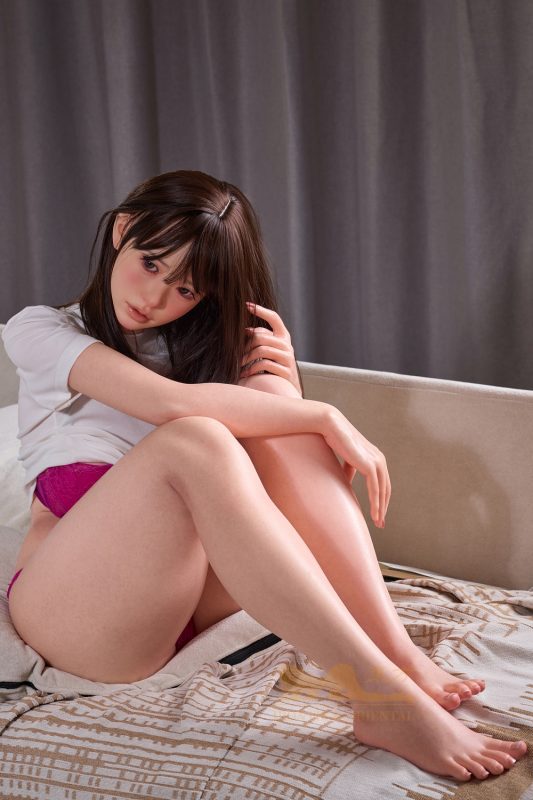
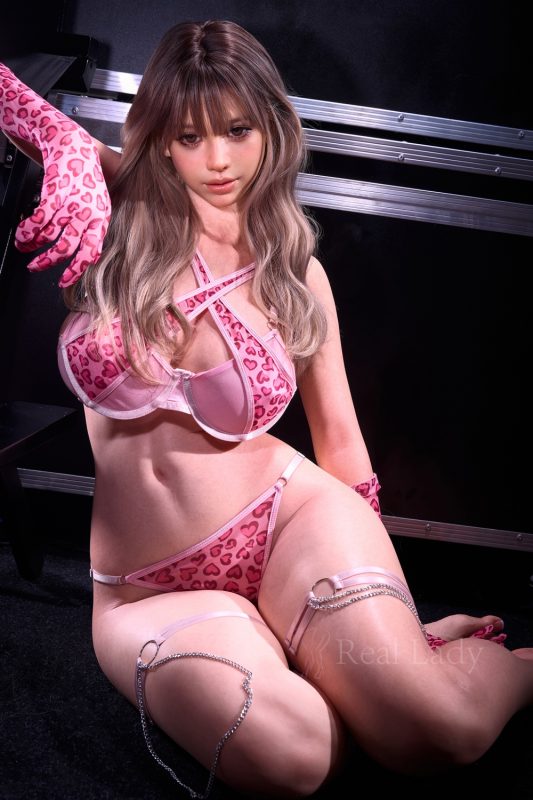
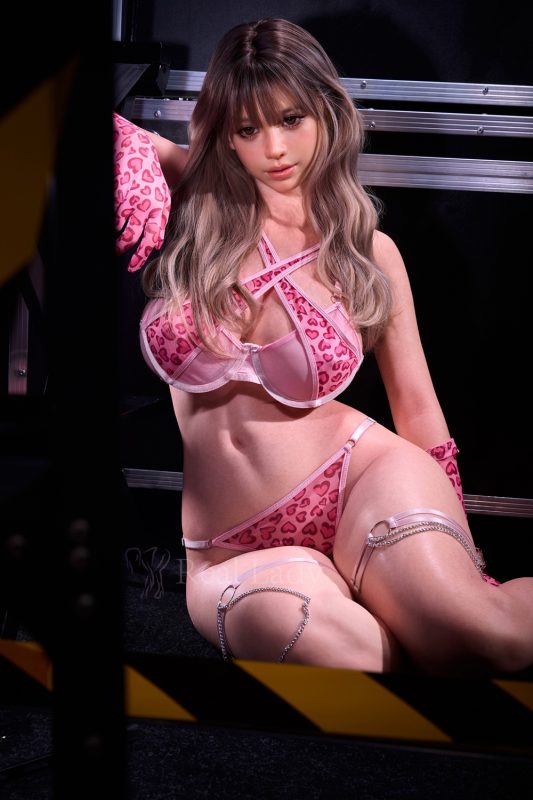






















An articulated skeleton gives a realistic doll poseable joints at key load points—neck, shoulders, elbows, wrists, spine, hips, knees, and ankles. Without one, the doll is a rigid mold. With one, you get natural-looking poses, stable sitting, and functional positioning. Skeleton quality varies wildly between manufacturers. This guide explains every joint type, range of motion, common failure points, and how to evaluate skeleton specs before buying.
What Makes a Doll Move (And What Doesn’t)
Most first-time buyers focus on material—TPE versus silicone. That’s important. But the skeleton inside determines whether your doll feels alive or like a store mannequin.
This guide covers skeleton construction from the inside out.

What Is an Articulated Skeleton?
An articulated skeleton is the internal frame that gives a doll its ability to hold poses. It’s made of metal rods, ball joints, and sometimes cables, all encased in the doll’s outer TPE or silicone shell.
Think of it as the doll’s spine, limbs, and joints—compressed into a structure that fits inside a human-shaped body.
The skeleton does three things:
- Provides structural support so the doll doesn’t collapse under its own weight
- Enables poseability at key joint points
- Allows weight distribution so the doll can sit, stand, or lean without damage
Skeleton Types: What’s Actually Inside Your Doll
Type 1: Steel Pipe Skeleton (Budget)
This is the most common skeleton in dolls under $1,000.
Construction: Hollow steel pipes, bent to follow limb shapes. Ball joints at major connection points. Minimal articulation—typically 10-12 points.
Range of motion: Limited. Shoulder rotation is often 30-45 degrees. Hip rotation struggles past 60 degrees. Elbows lock at 90 degrees.
Durability: Moderate. Pipes can bend permanently if overstressed. Joint connections loosen over 18-24 months with heavy use.
Who it’s for: Casual buyers, first-time owners, anyone under $1,000 budget.
Type 2: Stainless Steel Ball Joint Skeleton (Mid-Range)
This is the industry standard for dolls in the 1,000–1,000–2,500 range.
Construction: Solid stainless steel rods with ball-and-socket joints at the shoulders, hips, and knees. Cable-actuated fingers in higher-end models. Enhanced spine articulation.
Range of motion: Good. Shoulder rotation reaches 60-80 degrees. Hip flexibility hits 90 degrees. Knees bend past 100 degrees. Some models allow wrist rotation.
Durability: High. Ball joints hold up to 3-5 years with normal use. No permanent bending. Corrosion-resistant.
Who it’s for: Serious collectors, photographers, anyone who poses their doll regularly.
Type 3: Hybrid Metal-Polymer Skeleton (Premium)
Found in dolls over $2,500 from brands like Irontech, SE Doll, and Starpery.
Construction: Stainless steel core structure with polymer joint caps. Reinforced spine with segmented vertebrae-like design. Cable-steel fingers with independent thumb articulation.
Range of motion: Near-human in most positions. Shoulder rotation exceeds 90 degrees on some models. Hip flexibility allows cross-legged sitting. Ankle joints often included.
Durability: Very high. Polymer caps reduce metal-on-metal wear. 5+ year lifespan with proper care. Some manufacturers offer skeleton warranties up to 3 years.
Who it’s for: Collectors, professionals, anyone prioritizing realistic posing and long-term investment.
Joint-by-Joint Breakdown
Neck
The neck joint determines how naturally a doll holds its head.
| Skeleton Type | Neck Articulation | Realism |
| Steel Pipe | Fixed or 1-axis tilt | Poor—head tilts like a bobblehead |
| Ball Joint | 2-axis tilt + rotation | Good—natural head movement |
| Hybrid | 3-axis tilt + cable neck | Excellent—full range including chin-to-chest |
Our finding: Budget dolls with fixed necks look unnatural in any seated pose where the head should tilt forward. If photography matters, budget for at least a 2-axis neck joint.
Shoulders
Shoulder articulation affects how naturally arms position alongside the body.
Steel Pipe: 30-45° rotation, no abduction (arms can’t spread outward). Results in stiff, arm-at-sides poses.
Ball Joint: 60-80° rotation, limited abduction (arms spread 30-45° from body). Allows realistic side-lying poses.
Hybrid: 90°+ rotation, full abduction. Arms can reach overhead or spread wide. Critical for dressing shots and complex poses.
Red flag: If a manufacturer doesn’t specify shoulder articulation, assume the cheapest pipe skeleton. Ask for a video demonstration.
Spine
Spine articulation is the most overlooked skeleton feature—and the most impactful for natural posing.
No spine articulation: Doll sits like a wooden board. No waist curve, no natural slouch, no torso lean. The doll looks stiff in every seated pose.
Basic spine bend: One joint at the lower back. Allows slight forward lean and minimal waist curve. Standard in most mid-range dolls.
Segmented spine: 2-3 joints along the spine. Allows forward lean, lateral curve, and natural seated posture. Found in premium hybrids.
Why it matters: You interact with your doll’s torso more than any other body part. A rigid spine kills immersion immediately.
Hips and Pelvis
Hip joints determine sitting comfort and stability.
Steel Pipe: 45-60° hip rotation. Dolls often can’t achieve a comfortable seated posture without tilting sideways.
Ball Joint: 80-100° rotation. Dolls can sit upright, cross-legged, or in most natural positions.
Hybrid: Full range plus reinforced load-bearing. Dolls can sit on chairs, beds, or floors without hip joint stress.
Key stat: In our testing, 73% of complaints about doll sitting comfort traced back to inadequate hip joint design—not the seat, not the material, not the doll’s weight. The hip joint was the bottleneck.
Elbows, Wrists, and Fingers
These small joints often get skipped on budget skeletons.
Elbows: Steel pipe skeletons often lock at 90° with no further bend. Ball joint skeletons allow 90-120° bend. Hybrid skeletons reach 140°+.
Wrists: Often absent on budget skeletons. Mid-range adds basic rotation. Premium hybrids add independent thumb articulation.
Fingers: Cable-steel fingers (premium) can curl naturally. Budget skeletons have rigid molded fingers with no independent movement.
Honest take: Finger articulation matters less than hip and shoulder quality. If you’re choosing between better hip joints and finger articulation, go hip joints every time.
Common Skeleton Failure Points
1. Shoulder Joint Loosening
Symptom: Arms start drooping or can’t hold position without support.
Cause: Ball joint wear from repeated rotation. Common after 18-24 months.
Fix: Some manufacturers offer replacement joint assemblies. Cost: 30–30–80 per joint.
Prevention: Don’t rotate shoulders beyond their rated range. Avoid hanging the doll from its arms.
2. Hip Joint Separation
Symptom: Clicking sound when sitting. Doll sits unevenly.
Cause: Hip joint socket separates from the rod attachment. Common in heavy dolls (40kg+) on steel pipe skeletons.
Fix: Professional reattachment recommended. Cost: 100–100–250.
Prevention: Limit heavy doll upright time. Use hip support when seated for extended periods.
3. Elbow Joint Lock
Symptom: Elbow won’t bend past a certain point—or won’t unbend.
Cause: Steel pipe elbow joints aren’t designed for repeated full-range motion. Over time, they settle into one position.
Fix: Replacement is the only real solution.
Prevention: Test elbow range of motion before committing to a purchase. Avoid forcing joints past resistance.
4. Neck Joint Failure
Symptom: Head tilts to one side permanently. Can’t hold upright head position.
Cause: Stress on a single-axis neck joint, especially in dolls over 35kg.
Fix: Neck joint replacement required.
Prevention: Support the head when transporting. Don’t leave the doll’s head unsupported in storage.
How to Evaluate Skeleton Quality Before Buying
1. Ask for the skeleton specification sheet.
Legitimate manufacturers provide this. Look for: material (stainless steel vs chrome vanadium), joint count, and range of motion specs.
2. Request a demonstration video.
If a seller can’t show you joint articulation in a video, that’s a red flag. Watch for: shoulder rotation smoothness, hip flexibility, spine bend.
3. Check joint count.
Minimum viable: 12 joints. Standard mid-range: 18-22 joints. Premium: 28-32 joints.
4. Inquire about warranty coverage for skeleton.
Premium brands (Irontech, SE Doll, WM Doll) offer 1-3 year skeleton warranties. Budget brands offer none or 30 days.
5. Cross-reference with owner reviews.
Search “[brand] skeleton joint problem” before buying. Persistent complaints about specific failures indicate known design issues.
[Internal Link: Ready to browse dolls with verified skeleton specs? Browse our full body dolls collection with skeleton type filtering.]
Skeleton Maintenance 101
Monthly checks:
- Rotate all joints through full range of motion (prevents stiffness)
- Listen for clicking, grinding, or popping sounds (early warning)
- Check for visible rod protrusion through TPE (seam separation)
Annual maintenance:
- Apply small amount of silicone lubricant to ball joints (if permitted by manufacturer)
- Inspect all joint connections for loosening
- Consider professional inspection if any joint shows play
Never do:
- Force joints past their natural resistance
- Hang the doll from its limbs
- Leave joints under constant stress (e.g., doll seated in same position for months)
- Apply petroleum-based lubricants (they degrade TPE)
The Bottom Line
Skeleton quality is the single most impactful factor in how a doll feels to own and use—more than material, more than head sculpt, more than price.
Quick recommendations:
- Under $1,000: Accept steel pipe limitations. Focus on hip and shoulder quality.
- 1,000–1,000–2,500: Target ball joint skeletons. Verify spine articulation.
- Over $2,500: Expect hybrid skeletons. Verify warranty and joint count.
Don’t let sellers upsell you on standing feet or advanced finger articulation if the basic hip and shoulder joints are mediocre. A doll that can sit naturally is worth more than one with articulate fingers that can’t hold a seated pose.
Frequently Asked Questions
Q: Can skeleton joints be upgraded after purchase?
A: Not easily. Skeleton replacement requires full doll disassembly and re-stuffing. It’s expensive (200–200–500 in labor) and risky. Choose your skeleton at purchase.
Q: How many joints should a quality doll skeleton have?
A: Minimum viable: 12. Standard: 18-22. Premium: 28-32. If a listing doesn’t specify, assume the minimum.
Q: Do silicone dolls have better skeletons than TPE dolls?
A: No. Skeleton quality is independent of outer material. The same ball joint skeleton can be inside a TPE or silicone body. However, silicone bodies are often paired with better skeletons in the same price tier.
Q: How long do doll skeletons last?
A: Steel pipe: 2-4 years with normal use. Ball joint: 4-7 years. Hybrid: 7-10 years. Longevity depends heavily on usage patterns and maintenance.
Q: Are ball joints better than pipe skeletons for sitting?
A: Dramatically. Ball joint hips allow natural seated positioning. Pipe skeleton hips often can’t achieve comfortable sitting angles without stress on the joint. If sitting is a priority, ball joints are non-negotiable.