- New Arrivals
[Oriental Series] 153cm/5ft F-cup Silicone Collectible Lifelike Dolls – Yuna, Head S14 ROS MAX
Original price was: $2,794.00.$2,694.00Current price is: $2,694.00.[Oriental Series]168cm (5’6″) Realistic Textured Skin Silicone Collectible Lifelike Dolls – Scarlett ,Head R5 RosMax
Original price was: $3,360.00.$3,260.00Current price is: $3,260.00.159cm (5’2″) H-cup Real Skin Textured Silicone Premium Collectible Figures – Lena, Head Ros maxR8
Original price was: $3,310.00.$3,210.00Current price is: $3,210.00.[Oriental Series] 153cm/5ft F-cup Silicone Collectible Lifelike Dolls – Yuna, Head T1
Original price was: $2,794.00.$2,694.00Current price is: $2,694.00.159cm (5’2″) H-cup Real Skin Textured Silicone Collectible Lifelike Dolls – Hailey head Ros maxR9
Original price was: $3,310.00.$3,210.00Current price is: $3,210.00.159cm (5’2″) H-cup Real Skin Textured Silicone Premium Collectible Figures – Hailey head Ros maxR9
Original price was: $3,310.00.$3,210.00Current price is: $3,210.00. - Brands & IN Stock
- Create Your Own
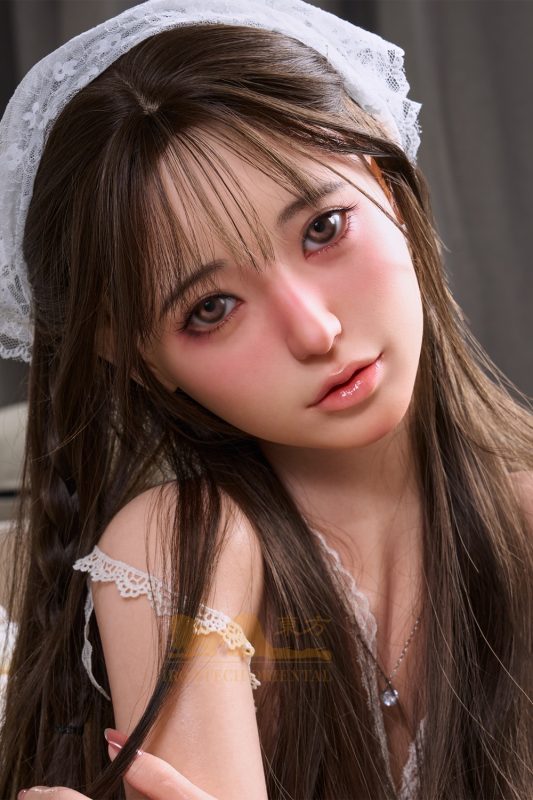

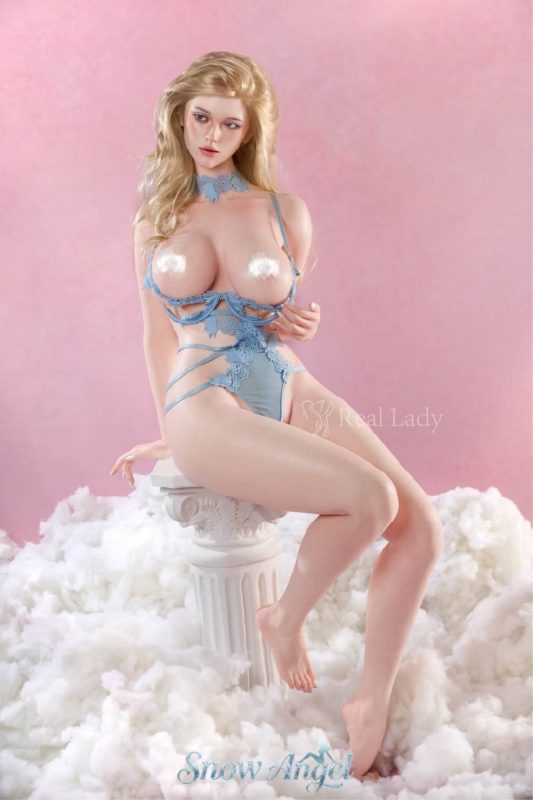
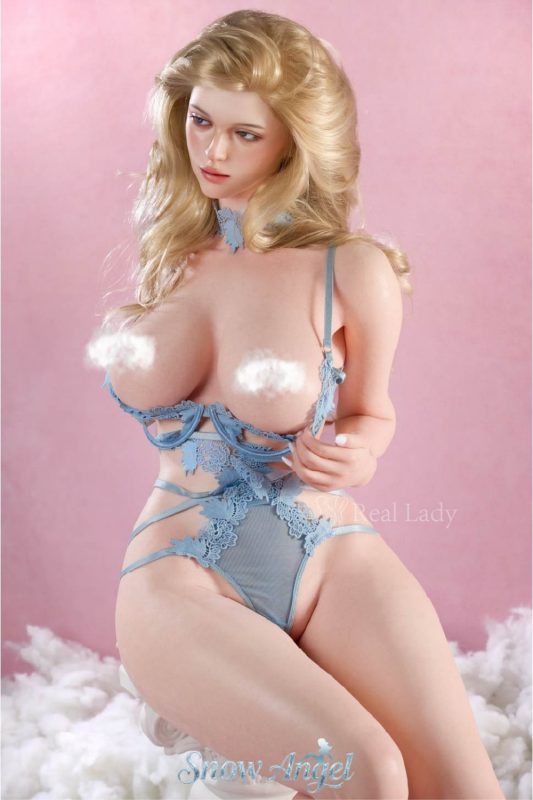
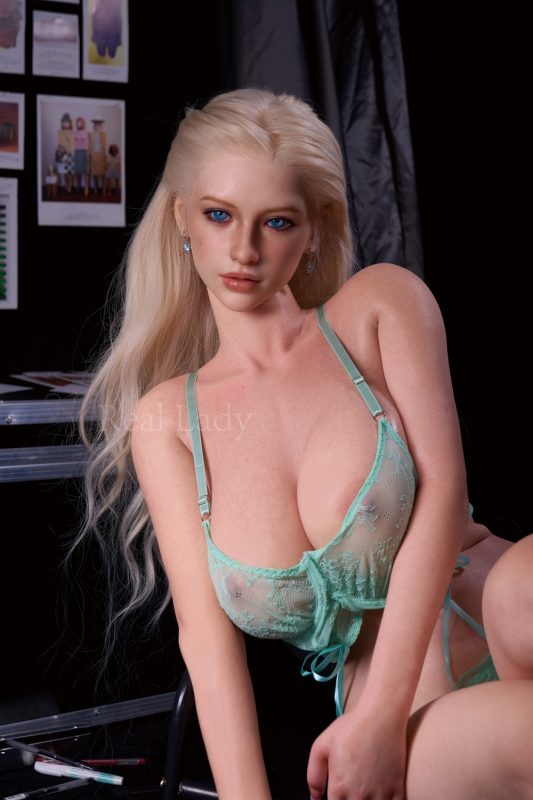

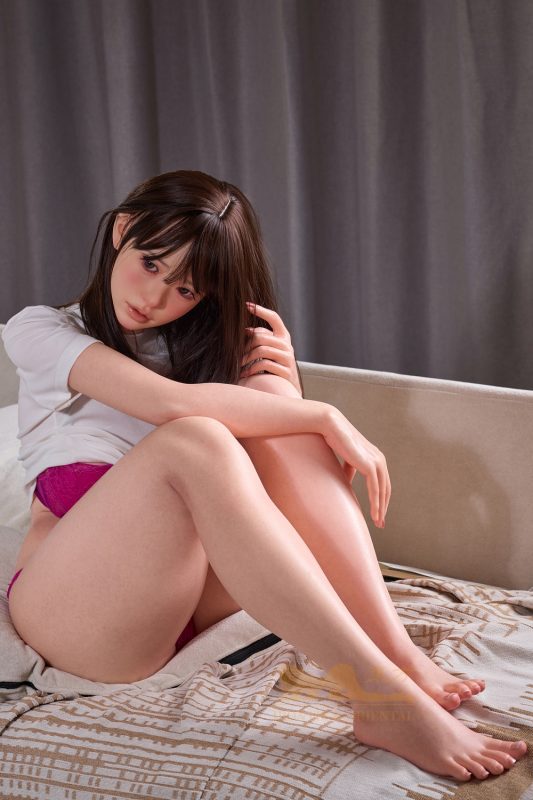
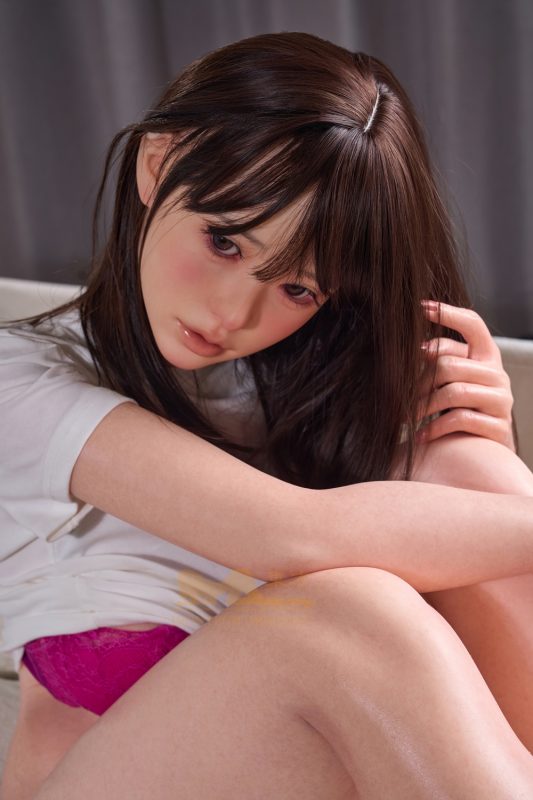
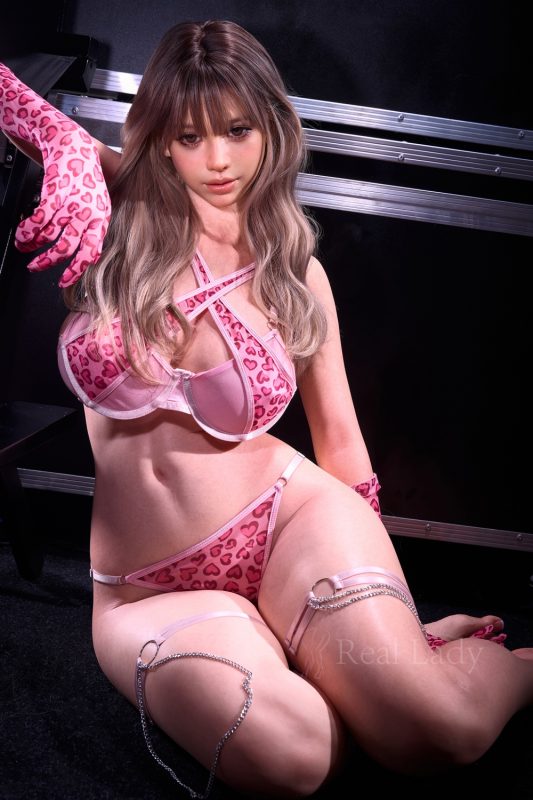
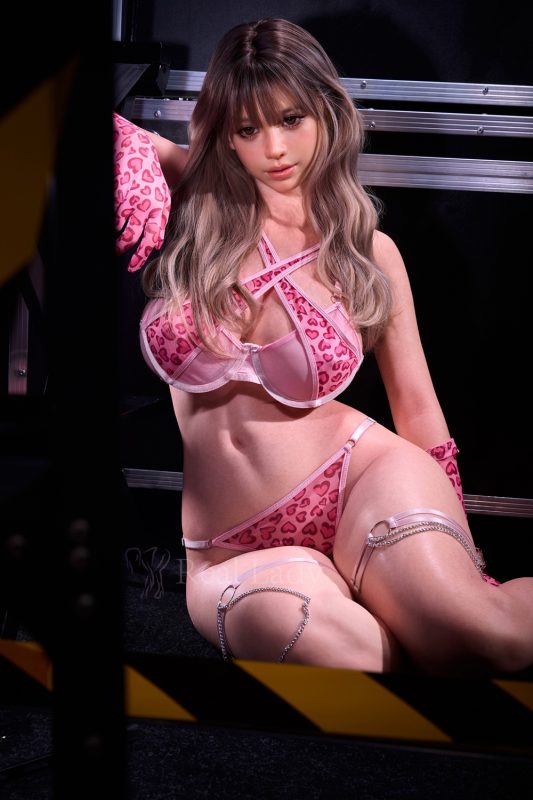






















Realistic anime sex dolls occupy the space between cartoon aesthetics and photo-realistic human sculpts. They blend anime-influenced facial features (large eyes, soft features, stylized proportions) with TPE or silicone body construction that feels genuinely human to the touch. Quality ranges from budget vinyl collectibles to premium silicone hybrids costing $3,000+. The “realistic” label usually refers to body construction—not facial proportions.
Why This Category Exists
Anime aesthetics and realistic doll aesthetics pull in opposite directions.
Anime characters exist in two dimensions. Proportions are exaggerated for visual appeal—big eyes, small face-to-head ratio, elongated limbs, minimal muscle definition. These designs work on screen. They don’t require physics or material constraints.
Realistic dolls exist in three dimensions. Proportions are constrained by human anatomy, material weight, skeleton mechanics, and manufacturing reality. The goal is resemblance to actual human anatomy.
Realistic anime dolls attempt to bridge this gap—taking anime’s visual language and translating it into something you can hold. The result isn’t anime. It’s anime-inspired. Understanding this distinction is the first step to finding what you actually want.

The Three Tiers of Anime-Inspired Dolls
Tier 1: Anime Vinyl Collectible (Non-Functional)
Price range: 200–200–800 Material: PVC or hard vinyl over articulated internal frame What it is: Collectible figures designed for display, not physical interaction. Limited joint articulation. Hard, non-body-safe materials. Zero tactile realism.
Who it’s for: Collectors who want anime aesthetics without adult function. Display-only use.
Why it’s not a “realistic anime doll”: The materials aren’t body-safe. The construction can’t support realistic use. This is a separate category.
Tier 2: Budget Anime-Style Doll (800–800–1,500)
Price range: 800–800–1,500 Material: TPE body, acrylic or standard-painted eyes What it is: Standard TPE body with an anime-influenced head sculpt. The face reads as anime-inspired—larger eyes, softer features, rounder face shape. Body proportions remain realistic.
Realism level:
- Face: Anime-influenced but three-dimensional. Looks more realistic than a vinyl figure but clearly stylized.
- Body: Realistic TPE construction. Feels human.
- Eyes: Pre-painted acrylic. Large and expressive. Limited depth.
Common limitation: The anime face sits on a realistic body. The disconnect can be jarring. Some buyers love the contrast; others find it immersion-breaking.
[Internal Link: Anime-influenced bodies often pair with specific head options. Read our Custom Sex Doll Head Options] guide for head sculpt customization details.]
Tier 3: Premium Anime-Realistic Hybrid (1,500–1,500–4,000+)
Price range: 1,500–1,500–4,000+ Material: Silicone or premium TPE, custom-painted eyes, rooted anime-style hair What it is: Purpose-built anime-realistic dolls where the entire design language is cohesive. The body proportions may be slightly stylized (longer limbs, smaller waist-to-hip ratio), but the execution is premium.
Realism level:
- Face: Custom sculpted by artists. Larger eyes integrated into anatomically plausible eye sockets. Subtle nose and lip details that don’t appear in standard anime sculpts.
- Body: May feature anime-proportioned elements—longer limbs, smaller hands, defined but non-masculine musculature. Silicone bodies offer premium skin texture.
- Eyes: Hand-painted with individual iris detail. Some include blinking mechanisms or glass eye options.
- Hair: Rooted anime-style wigs or embedded scalp with anime-appropriate styling.
The key difference: Premium anime-realistic hybrids feel cohesive. The entire design language—face, body, hair—speaks the same aesthetic dialect.
Anime vs Realistic Head Sculpt: What’s Actually Different
Eye Size and Placement
Realistic sculpts: Eyes sized to match human anatomy. Eye width approximately 30% of face width.
Anime-realistic sculpts: Eyes enlarged to 40–50% of face width. Retained within three-dimensional plausibility but obviously stylized. Eye placement slightly higher on the face.
The trade-off: Larger eyes read as more expressive and emotionally engaging. Smaller eyes read as more mature and realistic. Neither is objectively better—it depends on what you’re seeking.
Face Shape and Proportions
Realistic sculpts: Forehead-to-chin ratio approximates human anatomy. Nose has defined bridge and nostrils. Lips have natural contour. Chin is proportionate.
Anime-realistic sculpts: Forehead may be slightly larger. Nose reduced to minimal contour or simplified form. Lips often painted rather than sculpted in detail. Chin may be smaller and more pointed.
The result: Anime-realistic faces photograph extremely well—lighting hides the simplified features. In person, the simplified facial sculpting becomes more apparent.
Skin Texture
Realistic sculpts: Premium manufacturers achieve near-photorealistic skin texture—pore simulation, subtle color variation, natural surface irregularity.
Anime-realistic sculpts: Surface is smoother. The “plastic” look is more apparent. Some premium manufacturers apply anime-style skin finishing—slight sheen, simplified texture. Others push toward realistic skin texture regardless of face style.
This is a major differentiator at the premium tier. Ask for close-up skin texture photos before ordering.
Body Proportion Differences
Realistic vs Anime-Influenced Bodies
| Feature | Realistic Body | Anime-Influenced Body |
| Limb length | Human-proportionate | Slightly elongated (+5–10%) |
| Hand size | Realistic scale | Reduced scale (anime hands) |
| Waist-to-hip ratio | 0.7–0.8 (average human) | 0.6–0.7 (stylized curvy) |
| Shoulder width | Human-proportionate | May be narrower |
| Torso length | Human-proportionate | Slightly elongated |
Why it matters: Anime-proportioned bodies look more striking in photos. They also present challenges—standard clothing fits differently, posing may feel less natural, and the elongation can affect how the doll looks in real-world contexts versus staged scenes.
Choosing Between Anime-Realistic and Pure Realistic
Choose anime-realistic if:
- You’re primarily shooting photography or content
- You want a specific anime character represented accurately
- You value visual strikingness over anatomical accuracy
- You’re comfortable with the aesthetic contrast between face and body
- You want the emotional expressiveness that anime-style faces deliver
Choose pure realistic if:
- Anatomical accuracy matters more than stylized appeal
- You want the doll to read as “human” at a glance
- You’re using the doll in contexts where the anime aesthetic would be jarring
- You prioritize long-term investment—realistic sculpts hold value better
- Tactile realism is more important than visual stylization
The honest answer: There’s no “better” option. It depends entirely on your use case and aesthetic preference.
[Internal Link: Body type affects realism more than face style. Read our Big Booty Realistic Love Dolls] for how body proportions affect perceived realism.]
Common Misconceptions
“Realistic anime dolls look exactly like anime characters”
No. The best you can achieve is “anime-inspired.” True anime aesthetics—impossible proportions, flat colors, stylization that breaks physics—require 2D media. Three-dimensional translation involves compromise. Premium sculpts come closer than budget options, but a perfect 1:1 translation doesn’t exist.
“Anime dolls are cheaper than realistic dolls”
Not in the body-safe category. Anime-style head sculpts require custom artistry. Combined with standard body construction, anime-realistic dolls are priced at or above comparable realistic-sculpt dolls. Budget anime dolls are either vinyl collectibles (not body-safe) or severely compromised quality.
“The anime face makes the doll less realistic overall”
Subjective. The face is one element. A premium anime-realistic hybrid with an anime face and a realistic body can achieve high overall realism if the execution is quality. The disconnect some users feel comes from expectation mismatch, not inherent quality difference.
Maintenance: Does Anime Construction Differ?
Short answer: No.
Anime-realistic dolls use the same TPE or silicone construction as standard realistic dolls. Maintenance requirements—cleaning, powdering (TPE), storage, repair—are identical.
The only difference is cosmetic: anime-style wigs may require different styling approaches than standard human-hair wigs. Paint on anime faces may have different touch-up requirements than realistic face painting.
Frequently Asked Questions
Q: Can I get an anime character face custom-made on a doll? A: Some premium manufacturers accept custom face sculpt requests from photo reference. Cost: 500–500–1,500 additional, depending on complexity. Results vary—anime faces in 2D use techniques that don’t translate to 3D. Expect a stylized interpretation, not a perfect match.
Q: Are anime-realistic dolls harder to maintain than standard dolls? A: No. The body maintenance is identical. The only additional consideration is eye and wig care—ensure painted eyes don’t scratch and wigs are stored properly to maintain anime styling.
Q: Do anime-realistic dolls age differently than standard dolls? A: Silicone anime-realistic dolls age identically to standard silicone dolls. TPE anime-realistic dolls age identically to standard TPE. Material choice determines longevity. The face style doesn’t.
Q: Can I change the head on an anime-realistic doll to a realistic head later? A: Yes, if the neck joint is compatible (verify size B vs size D). Anime heads and realistic heads use the same neck joint standards. Swapping is straightforward.
Q: How do anime-realistic dolls photograph compared to standard dolls? A: They often photograph exceptionally well. The expressive eyes and stylized features photograph as striking and memorable. In well-lit photography contexts, premium anime-realistic dolls can outperform standard realistic dolls in visual impact. In person, the effect is more varied depending on individual perception.
Realistic anime sex dolls occupy the space between cartoon aesthetics and photo-realistic human sculpts. They blend anime-influenced facial features (large eyes, soft features, stylized proportions) with TPE or silicone body construction that feels genuinely human to the touch. Quality ranges from budget vinyl collectibles to premium silicone hybrids costing $3,000+. The “realistic” label usually refers to body construction—not facial proportions.
Why This Category Exists
Anime aesthetics and realistic doll aesthetics pull in opposite directions.
Anime characters exist in two dimensions. Proportions are exaggerated for visual appeal—big eyes, small face-to-head ratio, elongated limbs, minimal muscle definition. These designs work on screen. They don’t require physics or material constraints.
Realistic dolls exist in three dimensions. Proportions are constrained by human anatomy, material weight, skeleton mechanics, and manufacturing reality. The goal is resemblance to actual human anatomy.
Realistic anime dolls attempt to bridge this gap—taking anime’s visual language and translating it into something you can hold. The result isn’t anime. It’s anime-inspired. Understanding this distinction is the first step to finding what you actually want.
The Three Tiers of Anime-Inspired Dolls
Tier 1: Anime Vinyl Collectible (Non-Functional)
Price range: 200–200–800 Material: PVC or hard vinyl over articulated internal frame What it is: Collectible figures designed for display, not physical interaction. Limited joint articulation. Hard, non-body-safe materials. Zero tactile realism.
Who it’s for: Collectors who want anime aesthetics without adult function. Display-only use.
Why it’s not a “realistic anime doll”: The materials aren’t body-safe. The construction can’t support realistic use. This is a separate category.
Tier 2: Budget Anime-Style Doll (800–800–1,500)
Price range: 800–800–1,500 Material: TPE body, acrylic or standard-painted eyes What it is: Standard TPE body with an anime-influenced head sculpt. The face reads as anime-inspired—larger eyes, softer features, rounder face shape. Body proportions remain realistic.
Realism level:
- Face: Anime-influenced but three-dimensional. Looks more realistic than a vinyl figure but clearly stylized.
- Body: Realistic TPE construction. Feels human.
- Eyes: Pre-painted acrylic. Large and expressive. Limited depth.
Common limitation: The anime face sits on a realistic body. The disconnect can be jarring. Some buyers love the contrast; others find it immersion-breaking.
Tier 3: Premium Anime-Realistic Hybrid (1,500–1,500–4,000+)
Price range: 1,500–1,500–4,000+ Material: Silicone or premium TPE, custom-painted eyes, rooted anime-style hair What it is: Purpose-built anime-realistic dolls where the entire design language is cohesive. The body proportions may be slightly stylized (longer limbs, smaller waist-to-hip ratio), but the execution is premium.
Realism level:
- Face: Custom sculpted by artists. Larger eyes integrated into anatomically plausible eye sockets. Subtle nose and lip details that don’t appear in standard anime sculpts.
- Body: May feature anime-proportioned elements—longer limbs, smaller hands, defined but non-masculine musculature. Silicone bodies offer premium skin texture.
- Eyes: Hand-painted with individual iris detail. Some include blinking mechanisms or glass eye options.
- Hair: Rooted anime-style wigs or embedded scalp with anime-appropriate styling.
The key difference: Premium anime-realistic hybrids feel cohesive. The entire design language—face, body, hair—speaks the same aesthetic dialect.
Anime vs Realistic Head Sculpt: What’s Actually Different
Eye Size and Placement
Realistic sculpts: Eyes sized to match human anatomy. Eye width approximately 30% of face width.
Anime-realistic sculpts: Eyes enlarged to 40–50% of face width. Retained within three-dimensional plausibility but obviously stylized. Eye placement slightly higher on the face.
The trade-off: Larger eyes read as more expressive and emotionally engaging. Smaller eyes read as more mature and realistic. Neither is objectively better—it depends on what you’re seeking.
Face Shape and Proportions
Realistic sculpts: Forehead-to-chin ratio approximates human anatomy. Nose has defined bridge and nostrils. Lips have natural contour. Chin is proportionate.
Anime-realistic sculpts: Forehead may be slightly larger. Nose reduced to minimal contour or simplified form. Lips often painted rather than sculpted in detail. Chin may be smaller and more pointed.
The result: Anime-realistic faces photograph extremely well—lighting hides the simplified features. In person, the simplified facial sculpting becomes more apparent.
Skin Texture
Realistic sculpts: Premium manufacturers achieve near-photorealistic skin texture—pore simulation, subtle color variation, natural surface irregularity.
Anime-realistic sculpts: Surface is smoother. The “plastic” look is more apparent. Some premium manufacturers apply anime-style skin finishing—slight sheen, simplified texture. Others push toward realistic skin texture regardless of face style.
This is a major differentiator at the premium tier. Ask for close-up skin texture photos before ordering.
Body Proportion Differences
Realistic vs Anime-Influenced Bodies
| Feature | Realistic Body | Anime-Influenced Body |
| Limb length | Human-proportionate | Slightly elongated (+5–10%) |
| Hand size | Realistic scale | Reduced scale (anime hands) |
| Waist-to-hip ratio | 0.7–0.8 (average human) | 0.6–0.7 (stylized curvy) |
| Shoulder width | Human-proportionate | May be narrower |
| Torso length | Human-proportionate | Slightly elongated |
Why it matters: Anime-proportioned bodies look more striking in photos. They also present challenges—standard clothing fits differently, posing may feel less natural, and the elongation can affect how the doll looks in real-world contexts versus staged scenes.
Choosing Between Anime-Realistic and Pure Realistic
Choose anime-realistic if:
- You’re primarily shooting photography or content
- You want a specific anime character represented accurately
- You value visual strikingness over anatomical accuracy
- You’re comfortable with the aesthetic contrast between face and body
- You want the emotional expressiveness that anime-style faces deliver
Choose pure realistic if:
- Anatomical accuracy matters more than stylized appeal
- You want the doll to read as “human” at a glance
- You’re using the doll in contexts where the anime aesthetic would be jarring
- You prioritize long-term investment—realistic sculpts hold value better
- Tactile realism is more important than visual stylization
The honest answer: There’s no “better” option. It depends entirely on your use case and aesthetic preference.
[Internal Link: Body type affects realism more than face style. Read our Big Booty Realistic Love Dolls] for how body proportions affect perceived realism.]
Common Misconceptions
“Realistic anime dolls look exactly like anime characters”
No. The best you can achieve is “anime-inspired.” True anime aesthetics—impossible proportions, flat colors, stylization that breaks physics—require 2D media. Three-dimensional translation involves compromise. Premium sculpts come closer than budget options, but a perfect 1:1 translation doesn’t exist.
“Anime dolls are cheaper than realistic dolls”
Not in the body-safe category. Anime-style head sculpts require custom artistry. Combined with standard body construction, anime-realistic dolls are priced at or above comparable realistic-sculpt dolls. Budget anime dolls are either vinyl collectibles (not body-safe) or severely compromised quality.
“The anime face makes the doll less realistic overall”
Subjective. The face is one element. A premium anime-realistic hybrid with an anime face and a realistic body can achieve high overall realism if the execution is quality. The disconnect some users feel comes from expectation mismatch, not inherent quality difference.
Maintenance: Does Anime Construction Differ?
Short answer: No.
Anime-realistic dolls use the same TPE or silicone construction as standard realistic dolls. Maintenance requirements—cleaning, powdering (TPE), storage, repair—are identical.
The only difference is cosmetic: anime-style wigs may require different styling approaches than standard human-hair wigs. Paint on anime faces may have different touch-up requirements than realistic face painting.
Frequently Asked Questions
Q: Can I get an anime character face custom-made on a doll? A: Some premium manufacturers accept custom face sculpt requests from photo reference. Cost: 500–500–1,500 additional, depending on complexity. Results vary—anime faces in 2D use techniques that don’t translate to 3D. Expect a stylized interpretation, not a perfect match.
Q: Are anime-realistic dolls harder to maintain than standard dolls? A: No. The body maintenance is identical. The only additional consideration is eye and wig care—ensure painted eyes don’t scratch and wigs are stored properly to maintain anime styling.
Q: Do anime-realistic dolls age differently than standard dolls? A: Silicone anime-realistic dolls age identically to standard silicone dolls. TPE anime-realistic dolls age identically to standard TPE. Material choice determines longevity. The face style doesn’t.
Q: Can I change the head on an anime-realistic doll to a realistic head later? A: Yes, if the neck joint is compatible (verify size B vs size D). Anime heads and realistic heads use the same neck joint standards. Swapping is straightforward.
Q: How do anime-realistic dolls photograph compared to standard dolls? A: They often photograph exceptionally well. The expressive eyes and stylized features photograph as striking and memorable. In well-lit photography contexts, premium anime-realistic dolls can outperform standard realistic dolls in visual impact. In person, the effect is more varied depending on individual perception.