- New Arrivals
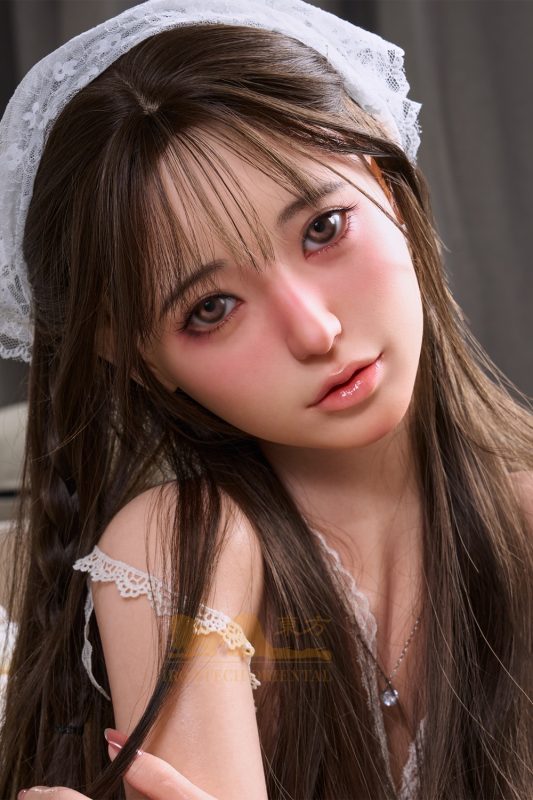
[Oriental Series] 153cm/5ft F-cup Silicone Collectible Lifelike Dolls – Yuna, Head S14 ROS MAX
Original price was: $2,794.00.$2,694.00Current price is: $2,694.00.[Oriental Series]168cm (5’6″) Realistic Textured Skin Silicone Collectible Lifelike Dolls – Scarlett ,Head R5 RosMax
Original price was: $3,360.00.$3,260.00Current price is: $3,260.00.159cm (5’2″) H-cup Real Skin Textured Silicone Premium Collectible Figures – Lena, Head Ros maxR8
Original price was: $3,310.00.$3,210.00Current price is: $3,210.00.[Oriental Series] 153cm/5ft F-cup Silicone Collectible Lifelike Dolls – Yuna, Head T1
Original price was: $2,794.00.$2,694.00Current price is: $2,694.00.159cm (5’2″) H-cup Real Skin Textured Silicone Collectible Lifelike Dolls – Hailey head Ros maxR9
Original price was: $3,310.00.$3,210.00Current price is: $3,210.00.159cm (5’2″) H-cup Real Skin Textured Silicone Premium Collectible Figures – Hailey head Ros maxR9
Original price was: $3,310.00.$3,210.00Current price is: $3,210.00. - Brands & IN Stock
- Create Your Own

























Ebony realistic love dolls are realistic dolls featuring deep brown to near-black skin tones, representing African and Afro-diasporic aesthetics. Producing convincing ebony skin in TPE or silicone requires specialized pigmentation mixing, and availability varies significantly by manufacturer. They represent one of the less common but increasingly in-demand aesthetic categories in the realistic doll market.
Here is the uncomfortable truth about ebony realistic love dolls that most retailers will not put in writing: the realistic doll industry was built around a Caucasian aesthetic baseline. Factory tooling, default skin tone formulations, head sculpt proportions, and quality control standards all evolved from a default of lighter skin tones. Ebony dolls — and more broadly, dark-spectrum dolls — exist in a space where the industry has had to catch up, sometimes awkwardly, sometimes impressively.
This is not an abstract observation. It has concrete implications for buyers. Availability is lower. Customization options are narrower. Factory photography is consistently worse for dark skin tones because the studio lighting setups were designed for lighter dolls. And the people writing the product descriptions often have no idea what they are talking about.
This guide gives you the real landscape.
What Does “Ebony” Mean in the Doll World?
“Ebony” in the doll industry describes the deep end of the skin tone spectrum — dark browns ranging from deep espresso through true ebony (near-black). The term overlaps with but is not identical to “dark skin,” “deep skin,” or “african american aesthetic dolls.” Here is how these terms map:
Ebony — The deepest tier. Skin tones that read as clearly dark, with rich brown pigmentation. Near-black or fully black in the darkest expressions. Think deep espresso, dark walnut, true ebony.
Deep Brown / Dark — The middle tier. Clearly dark skin with visible brown undertones. Rich and natural-looking at a distance. Includes a wide range of actual skin tones from mixed-heritage representation to deep natural brown.
Tan / Medium Brown — The lighter-adjacent tier. This is where “dark” starts in the doll industry but where it stops being dark by any realistic measure. Avoid confusing this with ebony.
The important thing: “ebony” is not standardized. One manufacturer’s “ebony” is another manufacturer’s “dark brown.” Always ask for color swatches, factory photographs, or light反射率 data before purchasing.
The Production Reality: Why Ebony Dolls Are Less Common
Ebony realistic love dolls are less common than lighter skin tone options for several interconnected reasons:
Pigmentation complexity — Creating convincing deep skin tones in TPE and silicone requires more sophisticated pigment mixing than lighter tones. The base material is translucent; achieving a rich, even ebony tone without grayness or flatness requires multiple pigment layers and careful formulation. Not all manufacturers have mastered this.
Market demand patterns — Historical demand has skewed heavily toward lighter and medium skin tones. Manufacturers allocate production capacity based on order volume. Until recently, ebony and deep brown options received limited factory attention.
Quality control difficulty — Surface imperfections are harder to see on dark skin tones under standard factory lighting. Bubbles, seams, and color inconsistencies that would be immediately visible on light skin may go undetected on dark skin. This creates a quality control challenge that some manufacturers handle better than others.
Photography and marketing — Ebony dolls photograph poorly under standard studio lighting because the lighting was calibrated for lighter skin tones. Dark skin absorbs more light, which means studio photos of ebony dolls often look flat, underexposed, or muddy. This creates a marketing disadvantage — the product looks worse in photos than it does in person.
Head sculpt diversity — Ebony dolls require head sculpts designed for the specific facial proportions and features associated with African and Afro-diasporic aesthetics. Not all manufacturers invest in this sculpt diversity. Many apply the same head sculpts across all skin tones, which undermines authenticity.
These are not excuses — they are the actual reasons the market is less developed in this category. The good news: manufacturers who do invest in ebony production have gotten genuinely good at it, and the options have improved significantly in the past three years.

Ebony Skin Tone Depth: Understanding the Spectrum
Ebony is not a single color. It is a range. Here is how to think about it:
Deep Espresso — Rich dark brown with visible warmth. The lightest end of the ebony range. Deep espresso reads as dark but not black. Warmer undertones are visible.
Dark Walnut — Medium ebony. The most common “ebony” offering from manufacturers. Deep brown with balanced warm and neutral undertones.
True Ebony — Near-black or fully black. The darkest expression of ebony. True ebony dolls are rare — most manufacturers’ “ebony” options top out at dark walnut. True ebony requires the highest pigment concentration and the most careful formulation.
Ebony with Red or Gold Undertones — Some manufacturers offer ebony with visible undertones — a reddish cast or a golden cast. This mimics specific natural skin variations and can look exceptionally realistic when well-executed.
When evaluating ebony skin options, look for warmth. The most convincing ebony dolls have visible warmth in the brown — a richness that prevents the color from looking flat or gray. Budget options often lack this warmth and read as desaturated.
TPE vs. Silicone: The Ebony-Specific Considerations
Material choice takes on additional significance with ebony skin tones:
TPE and ebony — TPE’s translucency works differently with dark pigments. Deeply pigmented TPE can appear darker in person than in photographs — sometimes significantly so. TPE also has a natural sheen that interacts with dark skin tones in ways that can look either natural or artificial depending on the formulation. Ask for photographs in multiple lighting conditions before purchasing TPE ebony dolls.
Silicone and ebony — Silicone handles deep pigmentation more predictably than TPE. The material holds color more evenly and the matte finish tends to flatter dark skin tones more naturally. Premium silicone manufacturers who invest in ebony production consistently produce more convincing results than their TPE counterparts.
The undertone problem — Both materials are susceptible to undertone issues. Gray undertones make ebony skin look ashy. Pink undertones create an unnatural cast. The best ebony formulations use warm undertones that enhance depth rather than distract from it.
Photography and Display: The Hidden Challenge
This is the topic nobody covers. Ebony realistic love dolls present specific photography and display challenges that affect buyer expectations:
Standard studio lighting fails — Most factory photography uses ring lights or softboxes calibrated for lighter skin. Dark skin absorbs this light differently, creating flat, contrast-free images that do not represent the doll accurately. The same doll photographed with adjusted lighting (more directional, higher contrast) looks dramatically better.
What you see is not always what you get — Budget ebony dolls photographed under poor lighting look fine. In person, under normal room lighting, they can look flat or oddly colored. Premium ebony dolls photographed accurately look even better in person.
Display lighting matters — If you plan to photograph or display your ebony doll, invest in good directional lighting. Ambient room lighting often flatters lighter dolls more than darker ones. A simple LED panel positioned at an angle will transform how your ebony doll looks in photographs.
Background contrast — Dark dolls photographed against dark backgrounds disappear. Use light or neutral backgrounds for photography. This sounds obvious but is frequently overlooked in factory photography, which is one reason factory images of ebony dolls often look unimpressive.
Head Sculpt Considerations for Ebony Dolls
This is where ethnic representation becomes most critical. Head sculpt quality for ebony dolls varies more than for any other skin tone category:
Doll-specific sculpts vs. re-skinned sculpts — Some manufacturers design head sculpts specifically for ebony dolls, with facial proportions, lip shapes, and nose structures that authentically represent the aesthetic. Others take a standard (usually Caucasian-derived) head sculpt and apply dark pigmentation. The latter rarely looks convincing.
Nose structure — Authentic ebony aesthetics typically feature broader nose bridges and fuller nostril shapes than Caucasian dolls. A doll with an ebony skin tone and a narrow Caucasian nose structure undermines the realism. Look for manufacturers who address nose structure specifically.
Lip shape and color — Full lips with rich color are a hallmark of ebony aesthetics. Many budget manufacturers use generic lip shapes and under-pigmented lip colors that look washed out. Premium ebony dolls invest in realistic lip detailing.
Hair texture and styling — African and Afro-diasporic hair textures (coiled, kinky, curly, or relaxed) require specific wig or rooted hair approaches. Generic straight or wavy wigs on ebony dolls look incongruous. Look for manufacturers who offer textured hair options.
Who Is Actually Buying Ebony Realistic Love Dolls
Based on market patterns and buyer research, the primary buyer segments are:
Buyers with specific aesthetic preference — The largest segment. These buyers prefer dark skin aesthetics and specifically seek ebony dolls because lighter skin tones do not match their preference. This is a genuine and common aesthetic preference, not a niche.
Collectors seeking diversity — Collectors building diverse doll portfolios include ebony dolls to represent the full spectrum of human aesthetics. For these buyers, ebony dolls are part of a broader collection strategy.
Photography and art buyers — Ebony dolls photograph well with proper lighting and make striking subjects for artistic photography. Some buyers specifically purchase for this use case.
Partners with preference — A smaller segment of buyers purchase ebony dolls at a partner’s request, with the partner specifically preferring dark skin aesthetics.
Understanding the buyer profile helps content creators frame ebony dolls appropriately — not as a novelty or niche category, but as a legitimate aesthetic preference serving a real and substantial market.
The Market Gap and How to Navigate It
The ebony realistic doll market has a genuine gap: demand exists at a level that suggests the market is underserved. Here is how to navigate that gap:
Specialized manufacturers — Some manufacturers have invested specifically in ebony and deep skin production. These factories produce consistently better results in this category. Finding them requires research, but they exist and are accessible.
Custom orders — For the best results, custom orders at mid-range and premium manufacturers often produce superior ebony dolls compared to stock options. Custom skin tone mixing allows for precise undertone matching.
Photography before purchase — Always ask for photographs in natural light or adjusted studio lighting, not standard factory photos. Many manufacturers will provide custom photographs on request.
Forums and community feedback — Buyer communities (forums, review sites) are the best source of honest feedback on which manufacturers do ebony well and which should be avoided. Use them.
Frequently Asked Questions
Q: How dark are “ebony” dolls really? Does the term vary by manufacturer?
A: Yes, significantly. “Ebony” is not standardized. Most manufacturers’ “ebony” falls between deep espresso and dark walnut. True near-black ebony is rare. Always ask for color swatches, photographs in natural light, or light reflectance data before purchasing to confirm the actual darkness level.
Q: Are ebony dolls more expensive than standard dolls?
A: Not usually purely due to skin tone — the pigmentation cost is not significantly different. However, ebony dolls are more commonly available at mid-range and premium tiers, which have higher base prices. Budget tier ebony options exist but are limited in availability and quality.
Q: Do TPE ebony dolls look different in person than in photos?
A: Yes. TPE’s translucency makes deeply pigmented skin tones appear richer in person than in photographs. Budget factory photography often under-represents TPE ebony quality. Request photos in multiple lighting conditions and consider the in-person appearance will likely exceed the photos.
Q: Can I get a custom skin tone for an ebony doll?
A: At mid-range and premium manufacturers, yes. Custom skin tone mixing allows for precise matching to specific undertones (warm, neutral, red, gold). This is the best approach for buyers with specific ebony skin preferences. Budget manufacturers typically offer limited or no custom color options.
Q: What head sculpt should I look for in an ebony doll?
A: Look for sculpts designed specifically for ebony aesthetics, not re-skinned standard sculpts. Specifically: broader nose bridge and nostrils, full lip shapes with rich color, and textured hair options (coiled, kinky, or curly). A doll with ebony skin tone and Caucasian facial proportions undermines realism.