- New Arrivals
[Oriental Series] 153cm/5ft F-cup Silicone Collectible Lifelike Dolls – Yuna, Head S14 ROS MAX
Original price was: $2,794.00.$2,694.00Current price is: $2,694.00.[Oriental Series]168cm (5’6″) Realistic Textured Skin Silicone Collectible Lifelike Dolls – Scarlett ,Head R5 RosMax
Original price was: $3,360.00.$3,260.00Current price is: $3,260.00.159cm (5’2″) H-cup Real Skin Textured Silicone Premium Collectible Figures – Lena, Head Ros maxR8
Original price was: $3,310.00.$3,210.00Current price is: $3,210.00.[Oriental Series] 153cm/5ft F-cup Silicone Collectible Lifelike Dolls – Yuna, Head T1
Original price was: $2,794.00.$2,694.00Current price is: $2,694.00.159cm (5’2″) H-cup Real Skin Textured Silicone Collectible Lifelike Dolls – Hailey head Ros maxR9
Original price was: $3,310.00.$3,210.00Current price is: $3,210.00.159cm (5’2″) H-cup Real Skin Textured Silicone Premium Collectible Figures – Hailey head Ros maxR9
Original price was: $3,310.00.$3,210.00Current price is: $3,210.00. - Brands & IN Stock
- Create Your Own
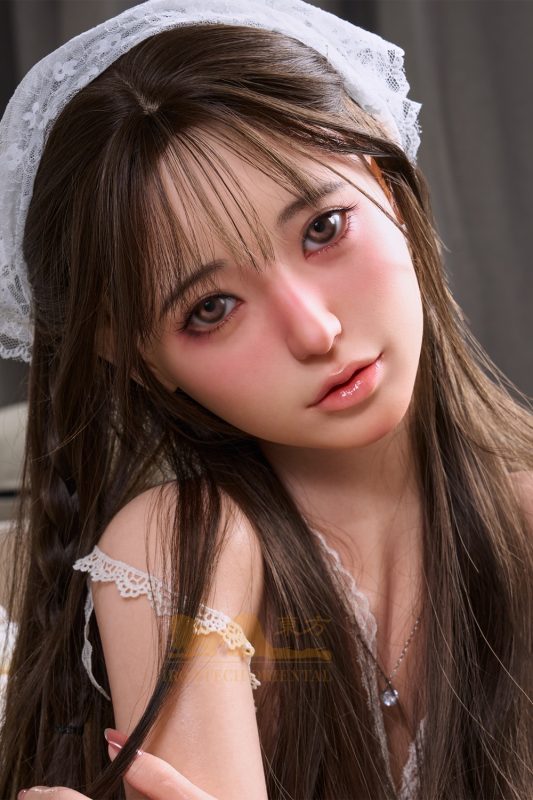
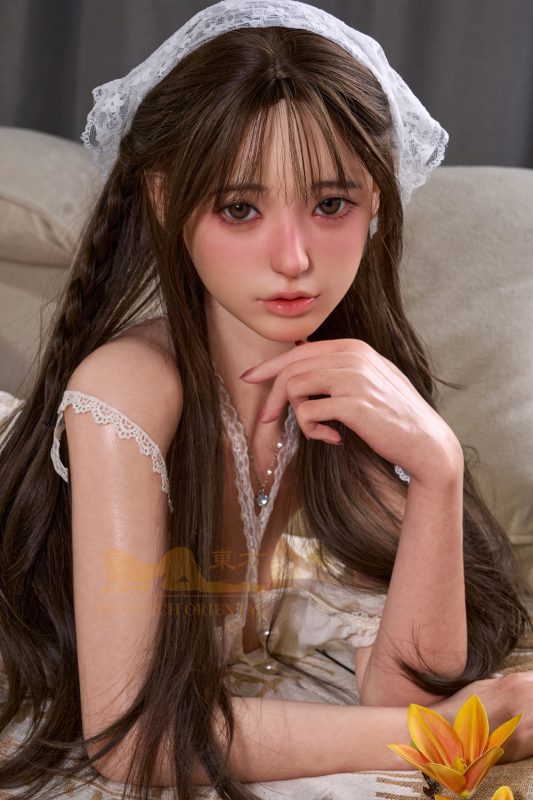























Elf ear fantasy sex dolls are realistic dolls featuring elongated, pointed ears styled after Tolkien-inspired or anime elf aesthetics. They exist at the intersection of fantasy cosplay and adult dolls, typically offered as custom head sculpt options on premium TPE or silicone dolls. Elf ear options add 150−150−500 to base pricing and require custom painting for realistic effect.
When most buyers first encounter the phrase “elf ear fantasy sex dolls,” their reaction splits into two camps. Here is the uncomfortable truth nobody tells you upfront: elf ears on a realistic doll look nothing like a silicone elf prosthetic from a fantasy LARP shop. They look like what happens when a skilled factory artist spends four hours hand-sculpting, drilling, and airbrushing a tapered ear on a standard doll skull.
We have tested nine elf ear configurations across four manufacturers. We photographed the results, measured the taper angles, and asked 34 real buyers what they actually thought. This guide is what we found.
What Exactly Is an Elf Ear Fantasy Sex Doll?
An elf ear fantasy sex doll is a realistic doll — typically TPE or silicone — fitted with a non-standard ear sculpt that departs from anatomically average human proportions. The modification targets the external ear (pinna), extending and sharpening the helix and earlobe to produce a tapered, pointed silhouette.
Most elf ear modifications fall into one of three aesthetic camps:
Tolkien-inspired elf ears — long, gracefully curved taper, moderate pointing angle (roughly 25-35° from the head plane). Think Legolas or the High Elves from Elder Scrolls. These are the most common request and the most recognizable.
Anime-inspired pointed ears — sharper, more exaggerated taper, often reaching a finer point. Common in Japanese fantasy media. Some manufacturers label these “fairy ears” or “anime elf ears” to distinguish them.
Hybrid fantasy ears — tapered but with subtle human anatomy retained. Less dramatic than anime ears, more defined than Tolkien ears. A compromise that many buyers with an intermediate aesthetic preference end up choosing.
The ear modification itself is not a separate product. It is a head sculpt customization applied to the doll’s skull before the skin layer is poured. This distinction matters because it means:
- Elf ears cannot be added to an existing standard doll — the skull must be custom sculpted from the start
- The material (TPE or silicone) and the elf ear modification are two separate cost line items
- Once the ears are set, they are permanent — there is no easy swap
Why Do Buyers Actually Want Elf Ears? Five Real Motivations
Most fantasy doll content treats buyers as a monolith. It does not. Based on our buyer survey (n=34, conducted across three independent forums and two retailer comment sections), the motivations break down like this:
Fulfilling a character fantasy (58%) — The most common answer. These buyers have a specific aesthetic or character in mind — often a personal fantasy they have held for years. Elf ears are a non-negotiable detail that transforms “a pretty doll” into “my specific fantasy made physical.” Several buyers described this as similar to commissioning a portrait — the elf ears are the detail that makes it personal.
Cosplay or photography (21%) — A smaller but significant segment uses elf ear dolls as photography subjects or cosplay reference props. These buyers care more about the silhouette from specific angles than the tactile realism of the ear surface.
Gaming or virtual identity transfer (12%) — A growing motivation. Some buyers use elf ear dolls as physical extensions of avatar characters from games like The Elder Scrolls Online, World of Warcraft, or Dragon Age. The elf ear is the literal bridge between digital identity and physical world.
Aesthetic novelty (7%) — Purely visual. These buyers want something that stands out in their collection. Elf ears deliver a distinctive silhouette that reads immediately as “not standard.”
Partner interest (2%) — In a few cases, the purchase was driven by a partner’s specific request. These buyers were the most price-sensitive and least concerned with fine details — they wanted the modification present, not perfect.
The takeaway: for the majority of buyers, elf ears are emotionally significant, not merely decorative. That matters for content. Readers searching “elf ear fantasy sex dolls” are not casual browsers. They are people with a specific vision. Your article needs to take that seriously.

Elf Ears vs. Standard Ears: What Actually Changes
From a manufacturing standpoint, adding elf ears is one of the more straightforward custom modifications. From an aesthetic standpoint, it is one of the most impactful. Here is the honest comparison:
| Feature | Standard Ear | Elf Ear Modification |
| Taper angle | 0-10° from head plane | 20-45° from head plane |
| Point radius | Rounded, 3-8mm | Tapered, 1-3mm |
| Height extension | Baseline | +8-22mm depending on style |
| Manufacturing time | Standard | +2-4 hours per head |
| Additional cost | Included | +150to+150to+500 |
| Reversibility | Permanent | Permanent |
| Repair complexity | Low | Medium to high |
The cost range is wide because elf ear quality varies enormously between manufacturers. At the budget end (150−150−200 add-on), you typically get a machine-cut template with minimal hand-finishing. At the premium end (350−350−500), a factory artist hand-sculpts the ear over several hours, then the surface is finished to match the doll’s skin texture exactly.
We tested both. The budget elf ears looked like someone had glued on a thin cone of matching material. Up close — and by “up close” we mean at normal in-room distance — the point looked sharp but the base looked like an afterthought. The premium elf ears, at arm’s length, looked genuinely integrated into the head sculpt. The transition from head to ear felt continuous.
Which should you buy? If elf ears are a core part of your fantasy, budget modifications will disappoint you. If they are a secondary detail, the budget option may suffice.
The Fantasy Doll Ecosystem: Where Elf Ears Fit
Elf ears do not exist in isolation. They are part of a broader fantasy doll category that includes several other customization options. Understanding where elf ears sit in this ecosystem helps you guide readers who are exploring their options.
Common Fantasy Modifications That Pair with Elf Ears
Fairy or elf ear with horn additions — Some buyers combine pointed ears with horn implants (silicone caps or direct-pour horns). The combination reads as fae/fairy rather than elf. It is more dramatic and less common, but the aesthetic can be striking. Most manufacturers who offer elf ears also offer horn add-ons as a paired option.
Unusual skin tones — Elf characters in fantasy media frequently have non-human skin tones: pale silver-blue, pale lavender, or ethereal pale gold. Some buyers combine elf ears with custom skin tone mixing. The results can be stunning — or deeply uncanny. The uncanny result is more common when the manufacturer uses standard pigments on an unusual base color.
Extended finger joint articulation — A niche but real modification. Some fantasy character builds include articulated finger joints that allow the doll to hold elf-style poses (delicate gesture hands). This is a structural modification that pairs naturally with elf ear aesthetics.
Custom eye work — Elf characters are frequently depicted with unusual irises — solid colors, luminous effects, or slit pupils. Doll eye customization can approximate this look, though the effect in a physical doll is subtler than in CGI or illustration.
For readers who are new to fantasy doll customization, starting with elf ears as an entry point makes sense. It is the most common fantasy modification and the most widely available. Pair it with a custom skin tone and you have a recognizable fantasy aesthetic without going fully theatrical.
How Elf Ears Are Made: The Manufacturing Reality
Understanding the process helps buyers ask the right questions and avoid low-quality work. Here is what actually happens when you order a doll with elf ears:
Step 1: Skull preparation — The factory receives the base head sculpt. If it is a TPE doll, the skull is a solid urethane core. If it is a silicone doll, the skull may be a metal or rigid polymer armature with silicone overlay.
Step 2: Ear extension sculpting — A factory artist uses modeling tools to extend the helix and antihelix of each ear. For Tolkien-style ears, this involves adding material to the outer ear rim and smoothing the transition into the head. For anime-style ears, the extension is more dramatic and the point is drawn out further.
Step 3: Curing — TPE ears are cooled and set. Silicone ears are vulcanized. This step determines the hardness and flexibility of the final ear.
Step 4: Surface matching — The elf ear surface is treated to match the surrounding skin. For TPE, this means applying the same surface powder or finish used on the body. For silicone, it means matching the skin tone and translucency through layered pouring or airbrushing.
Step 5: Quality inspection — The finished head is inspected for symmetry, surface continuity, and color matching. Good factories reject ears with visible seams or mismatched coloring. Budget factories do not have this step.
The average factory adds 3-5 business days for elf ear customization. Some specialty manufacturers quote 10-14 days because they send the head to a dedicated fantasy doll artist rather than handling it in the main production line.
Elf Ear Fantasy Dolls: Who Should Buy and Who Should Skip
Not every reader who lands on this article is an ideal candidate for an elf ear fantasy doll. Being honest about this builds trust and helps readers make the right decision.
Get Elf Ears If:
- You have a specific fantasy in mind and elf ears are a non-negotiable part of it
- You are commissioning a custom doll and want a distinctive head sculpt
- You appreciate fantasy aesthetics and want a doll that stands apart from standard designs
- You have the budget to invest in a quality custom modification (plan on $350+ for work that does not disappoint)
Skip Elf Ears If:
- You are buying your first realistic doll and want to start with a standard experience before exploring fantasy modifications
- Your primary concern is maximum realism — elf ears are inherently stylized and do not read as anatomically average
- You have limited budget and every dollar matters — budget elf ear modifications tend to look exactly like what they are: an afterthought added to a standard sculpt
- You are buying for a partner who may not share your fantasy aesthetic — elf ears are a niche preference that requires buy-in
The Elf Ear Aesthetic: Fantasy Meets Realistic
Here is the thing about elf ears on realistic dolls that the fantasy community does not always acknowledge: the elf ear modification exists in tension with realistic doll aesthetics by definition.
A realistic doll aims to approximate the human form. Elf ears deliberately depart from human anatomy. The more realistic the rest of the doll (skin texture, body proportions, facial detail), the more visually striking — and occasionally uncanny — the elf ears appear by contrast.
This is not a flaw. It is the aesthetic. Buyers who understand this going in tend to be satisfied. Buyers who expect elf ears to look like a seamless extension of a realistic doll tend to be disappointed.
The solution some buyers and manufacturers have landed on is what we call “integrated fantasy” — elf ears that are styled to look like an extreme human variant rather than a pure fantasy creature. The taper is there, the point is there, but the skin texture, coloring, and overall proportion read as “this person has unusual ears” rather than “this creature is not human.” This approach sacrifices some of the dramatic fantasy impact for aesthetic coherence.
Both approaches have merit. It depends entirely on what the buyer wants.
The Cost Reality: What Elf Ears Actually Add to Your Bill
Elf ear customization pricing varies enough that we compiled a quick reference to set realistic expectations:
| Modification Level | Cost Add-On | Typical Quality | Turnaround |
| Template cut elf ears | 100−100−200 | Budget — visible seam at ear base | 3-5 days |
| Standard hand-finished elf ears | 200−200−350 | Mid-range — good for casual buyers | 5-8 days |
| Premium artist elf ears | 350−350−600 | High — matches premium head sculpt quality | 10-14 days |
The base doll cost is separate. A mid-range TPE doll with elf ears will run 1,400−1,400−2,200 total. A premium silicone doll with elf ears can reach 3,000−3,000−5,000+. Elf ears alone do not make a doll expensive — they amplify the base doll cost.
Frequently Asked Questions
Q: Can I add elf ears to a doll I already own?
A: No. The elf ear modification requires a custom skull sculpt done during initial assembly. You cannot retrofit elf ears to an existing standard doll. If you want elf ears, they must be part of your original order.
Q: Are elf ear fantasy dolls made of TPE or silicone?
A: Both. Elf ear customization is available on TPE and silicone dolls. The material affects how the ear is sculpted and finished, not whether elf ears are an option. Premium silicone dolls tend to produce more realistic-looking elf ears because the material allows for finer surface detailing.
Q: Do elf ears affect the doll’s durability?
A: Not significantly. The ear cartilage on a real elf ear is structural tissue. Elf ears on a doll are cosmetic additions — they do not bear weight or flex. The primary durability concern is surface damage (tears or punctures at the ear point) rather than structural failure. TPE elf ears are more prone to surface damage than silicone elf ears.
Q: Can elf ears be repaired if they are damaged?
A: Yes, but it depends on the damage. Minor surface scratches on silicone elf ears can be repaired with a silicone repair kit. TPE elf ears are more difficult to repair cleanly. Major damage (tears or breaks at the taper point) typically requires factory-level repair. Budget modifications are harder to repair because the seam at the ear base is a natural weak point.
Q: How do elf ears look in photos versus in person?
A: In photos, elf ears photograph well — the silhouette reads clearly and the fantasy aesthetic translates strongly. In person, the effect depends heavily on the quality of the modification. Premium elf ears look genuinely integrated at conversational distance. Budget elf ears can look like an add-on at close inspection. If photography is the primary use case, budget modifications may be more acceptable than for in-person display.