- New Arrivals
[Oriental Series] 153cm/5ft F-cup Silicone Collectible Lifelike Dolls – Yuna, Head S14 ROS MAX
Original price was: $2,794.00.$2,694.00Current price is: $2,694.00.[Oriental Series]168cm (5’6″) Realistic Textured Skin Silicone Collectible Lifelike Dolls – Scarlett ,Head R5 RosMax
Original price was: $3,360.00.$3,260.00Current price is: $3,260.00.159cm (5’2″) H-cup Real Skin Textured Silicone Premium Collectible Figures – Lena, Head Ros maxR8
Original price was: $3,310.00.$3,210.00Current price is: $3,210.00.[Oriental Series] 153cm/5ft F-cup Silicone Collectible Lifelike Dolls – Yuna, Head T1
Original price was: $2,794.00.$2,694.00Current price is: $2,694.00.159cm (5’2″) H-cup Real Skin Textured Silicone Collectible Lifelike Dolls – Hailey head Ros maxR9
Original price was: $3,310.00.$3,210.00Current price is: $3,210.00.159cm (5’2″) H-cup Real Skin Textured Silicone Premium Collectible Figures – Hailey head Ros maxR9
Original price was: $3,310.00.$3,210.00Current price is: $3,210.00. - Brands & IN Stock
- Create Your Own









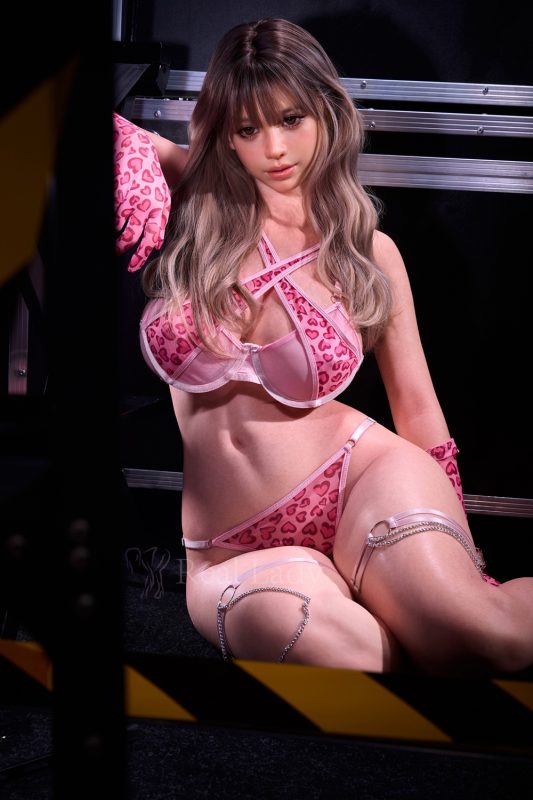






















“Life size” in the realistic doll market means a doll roughly 150–170cm tall—proportional to an average adult human. These dolls weigh 30–50kg, require dedicated storage space, and typically cost 1,500–1,500–5,000 depending on material and features. Before buying, understand the space requirements, handling needs, and what “life size” actually delivers in terms of realism versus logistics.
About This Guide
We’ve been testing realistic dolls across all size categories since 2020. This article covers the realities of life-size ownership—not the marketing version. We’ll break down what you actually need to know before committing to a doll that takes up half your bedroom.
What Does “Life Size” Actually Mean?
The term “life size” in the doll market is marketing language, not a precise measurement. Here’s how sizes actually break down:
| Category | Height | Realism Level | Weight Range | Space Required |
| Mini / Compact | 90–120cm | Lower | 8–15kg | Minimal |
| Medium | 125–145cm | Moderate | 15–28kg | Moderate |
| Life Size | 150–170cm | High | 30–55kg | Significant |
| Oversized / Tall | 170cm+ | Very High | 50–75kg+ | Substantial |
A “life size” doll in the 150–165cm range hits the sweet spot for most buyers. The proportions feel realistic, the weight is manageable with effort, and pricing sits in the mainstream range. Anything above 170cm enters the territory of serious commitment—you’re not just buying a doll, you’re building around it.
The Weight Reality Nobody Talks About
Let’s address the elephant in the room: life-size dolls are heavy.
A 155cm TPE doll runs 30–40kg. A silicone equivalent at the same height adds another 5–10kg. That’s not a light object. It’s roughly the weight of a German Shepherd or a large breed dog.
Here’s what that means in practice:
Setup. Getting a life-size doll out of the box and into position is a two-person job if you’re doing it safely. Solo setup is possible with care—but it’s not a one-person lift.
Daily repositioning. If you’re moving your doll between storage and use positions regularly, factor in the physical effort. A 35kg doll moved 10 times a week adds up.
Storage. Life-size dolls need space to be stored safely. Under-bed storage typically won’t work. Closet shelving needs reinforcement. Dedicated doll stands or racks become a real consideration.
We had a buyer once ask if a 155cm doll would fit in their studio apartment. The honest answer: yes, if you have 160cm of floor space to dedicate to a doll stand. Otherwise, you’re looking at partial assembly/disassembly or serious spatial compromise.

The Realism Trade-Off at Life Size
Here’s the good news: life-size dolls deliver significantly more realistic proportions, visual impact, and physical presence than smaller alternatives.
Here’s the less-discussed reality: at life size, imperfections are also more visible. The seam lines, the material texture, the weight distribution—everything is at human scale, which means your brain is running human-scale comparisons.
A mini doll at 100cm has a stylized, “cute” quality that masks material imperfections. A life-size doll at 160cm invites direct comparison with human anatomy—and on that comparison, no doll is perfect.
What that means: be realistic (pun intended) about expectations. Life-size dolls are impressive in photos and acceptable in person—but they’re not indistinguishable from humans in close interaction. Going in with clear eyes makes ownership much more satisfying.
Material Choice Matters More at Life Size
The TPE vs silicone decision becomes more consequential as size increases:
TPE at life size:
- Softer, more compressible feel—more realistic on contact
- Significantly lighter than silicone at equivalent size (20–30% weight savings)
- More prone to staining, stickiness, and surface degradation at this surface area
- Maintenance demands are amplified by the larger surface area
Silicone at life size:
- Firmer, denser feel—less compressible but more structural
- Significantly heavier—adding 5–10kg over TPE equivalents
- Stain-resistant, easier to clean at this scale
- Higher cost at this size—premium pricing compounds with material choice
For life-size dolls specifically, our testing suggests silicone earns its weight penalty more than at smaller sizes. The easier cleaning and stain resistance matter more when you’re dealing with 40+kg of surface area to maintain.
Space Requirements: Plan Before You Buy
Life-size dolls need actual physical space. Before purchasing, measure and plan:
Minimum Clearances
- Standing storage: Height + 10cm headroom, shoulder width + 15cm
- Seated storage: Seat depth + 15cm, height when seated + 10cm
- Doll stand footprint: Typically 50–70cm wide, 80–120cm deep
Environmental Requirements
- Flat, level surface for standing storage—uneven floors cause joint stress over time
- Temperature-controlled space—extreme heat damages TPE; silicone tolerates more
- UV protection—direct sunlight degrades TPE faster at this exposure level
- Adequate ventilation—storing in airtight containers causes moisture buildup
The Apartment Test
Ask yourself:
- Can I carry this up stairs / through my door without disassembly?
- Do I have a dedicated storage position that stays set up?
- Will my partner/roommates/housemates be okay with this visibly in the space?
- Do I have the physical strength to manage this alone when needed?
If any of those questions create problems, life size might not be the right category yet. Consider medium size as a bridge option.
Who Life Size Is Right For
Life-size dolls make sense for:
Committed long-term owners. If you’re buying with a 5+ year ownership horizon and have the space, life size delivers the full realistic experience you’re likely after.
Buyers with dedicated space. A private room, a dedicated area, or a living situation where space isn’t the limiting factor changes everything.
Physical capability. You don’t need to be athletic—but you need to be comfortable managing a 35kg object safely. If that sounds manageable, you’re fine.
Realism-first buyers. If the visual impact and physical presence of the doll matters more than convenience, life size is where that experience lives.
Who Should Consider Smaller First
First-time buyers. Start smaller. A 130–140cm doll gives you the full ownership experience at half the weight and a fraction of the spatial commitment. Upgrade when you know what you’re doing.
Limited storage or shared space. If you’re in an apartment, shared housing, or need discretion, life size creates logistics that can overtake the ownership experience.
Buyers uncertain about long-term commitment. Life-size dolls are expensive. If you’re testing whether doll ownership is for you, start at medium size and reassess.
The Price Reality at Life Size
Life-size dolls sit at the premium end of the market:
| Size | Material | Price Range |
| 150–160cm | TPE | 1,500–1,500–2,500 |
| 150–160cm | Silicone | 2,500–2,500–4,500 |
| 165–170cm | TPE | 2,000–2,000–3,500 |
| 165–170cm | Silicone | 3,500–3,500–6,000+ |
Add-ons that matter at life size:
- Articulated fingers (200–200–500 more)—worth it at this scale
- Enhanced skeleton (150–150–300)—joint stress is real at this weight
- Premium face / hand painting (300–300–800)—visible at human scale
- Storage stand (100–100–300)—not optional, budget for it
Total realistic cost for a quality life-size silicone doll with good features: 3,500–3,500–6,000. Anything significantly below that, and you’re buying something that cuts corners.
Buying Checklist for Life Size Dolls
Before committing:
- Measure your space twice. Height, width, door clearance, stair width. Write it down.
- Confirm the weight with shipping specs. Listed weight ≠ shipping weight. Factor in packaging.
- Ask about skeleton type. At 30–50kg, a weak skeleton will fail. Get specs.
- Clarify the return policy. Life-size returns are expensive and complicated. Know what you’re covered for.
- Budget for a stand. Budget 150–150–300 minimum. Cheap stands fail under life-size load.
- Consider delivery logistics. Can you accept a 40kg crate at your address? Some areas require special arrangements.
- Factor in long-term maintenance. Cleaning time, powder supplies, stain treatment—at life size, these are bigger jobs.
Related Buying Guides
If you’re researching life-size dolls, these guides will help you narrow down the specifics:
Choosing the right material is one of the first decisions you’ll make. Our TPE vs silicone comparison covers the durability, feel, and care differences that matter at life size.
Weight is a major practical factor at this scale. Our lightweight dolls under 20kg guide explains why some buyers start smaller—and whether you should.
For storage specifically, life-size dolls require more planning. Our doll storage solutions guide covers stands, racks, and closet configurations that work at this scale.
Frequently Asked Questions
Q: What’s the minimum realistic height for a “life size” doll?
A: 150cm is the practical floor. Below that and you’re in mini/medium territory—still realistic, but not “life size” in any meaningful sense. 155–165cm is the sweet spot for most buyers.
Q: Can I set up a life-size doll by myself?
A: Setup is a two-person job safely. If you’re determined to do it solo, use a furniture dolly or have the doll on a stable stand before standing it up. Don’t risk injury. Get help for the initial unboxing and positioning.
Q: How much space does a life-size doll actually need when stored?
A: Plan for a standing position footprint of roughly 60–80cm wide by 100–140cm deep, plus headroom. Seated storage can reduce depth to 70–90cm. If you’re tight on space, measure before buying—this isn’t something to estimate.
Q: Are life-size dolls worth the extra cost over medium size?
A: For realism and physical presence, yes. For convenience, no. If you have the space, budget, and commitment—life size delivers a noticeably different experience. If any of those three is limited, medium size is the smarter call.
Q: How long do life-size dolls last?
A: Quality life-size TPE dolls last 3–5 years with good care. Quality life-size silicone dolls last 8–12+ years. The maintenance and care quality matters more than the material at this scale—skeleton stress, joint wear, and surface degradation all accelerate with poor upkeep.