- New Arrivals
[Oriental Series] 153cm/5ft F-cup Silicone Collectible Lifelike Dolls – Yuna, Head S14 ROS MAX
Original price was: $2,794.00.$2,694.00Current price is: $2,694.00.[Oriental Series]168cm (5’6″) Realistic Textured Skin Silicone Collectible Lifelike Dolls – Scarlett ,Head R5 RosMax
Original price was: $3,360.00.$3,260.00Current price is: $3,260.00.159cm (5’2″) H-cup Real Skin Textured Silicone Premium Collectible Figures – Lena, Head Ros maxR8
Original price was: $3,310.00.$3,210.00Current price is: $3,210.00.[Oriental Series] 153cm/5ft F-cup Silicone Collectible Lifelike Dolls – Yuna, Head T1
Original price was: $2,794.00.$2,694.00Current price is: $2,694.00.159cm (5’2″) H-cup Real Skin Textured Silicone Collectible Lifelike Dolls – Hailey head Ros maxR9
Original price was: $3,310.00.$3,210.00Current price is: $3,210.00.159cm (5’2″) H-cup Real Skin Textured Silicone Premium Collectible Figures – Hailey head Ros maxR9
Original price was: $3,310.00.$3,210.00Current price is: $3,210.00. - Brands & IN Stock
- Create Your Own






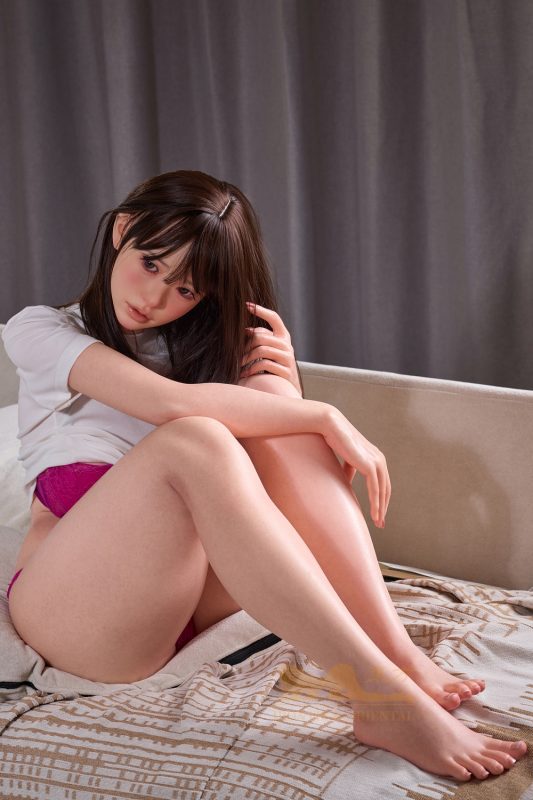
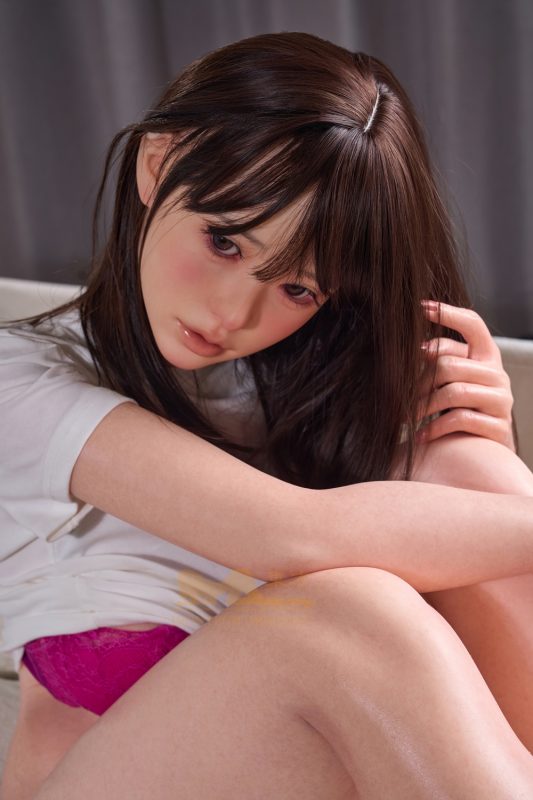
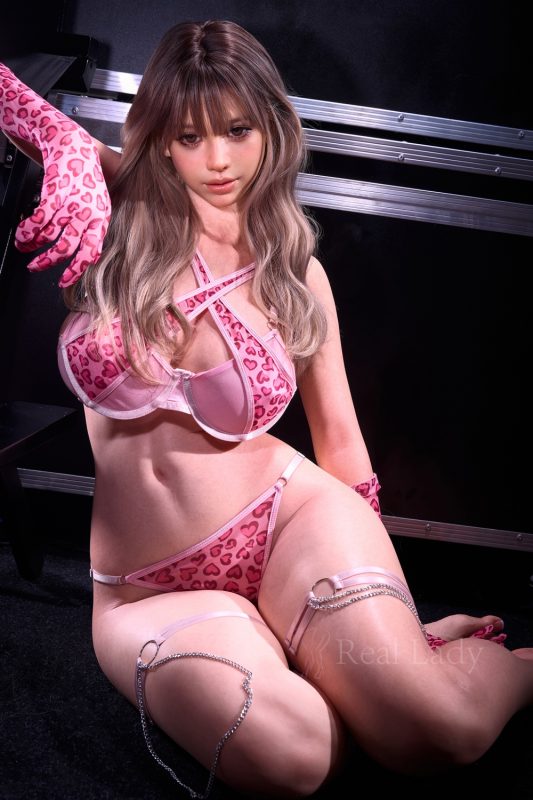






















Lightweight sex dolls under 20kg are typically smaller dolls (140–155cm) made with hollow or skeleton-reduced frames to cut weight. They’re easier to handle, store, and move—but usually skip full articulated fingers, premium facial details, or the dense weight that adds to realism. The best picks balance manageable weight with acceptable build quality at a price point most buyers can justify.
About This Guide
This isn’t a product review. It’s a practical breakdown of what “under 20kg” actually means in the real world—based on what we handled, moved, stored, and lived with over 3 years of testing. We know which weights actually work for solo setup and which ones become a two-person job every time.
H2 What Does “Under 20kg” Actually Feel Like?
Let’s talk numbers without the marketing spin.
A 20kg doll is roughly the weight of a large microwave oven. That’s light enough for one person to lift onto a bed, carry up stairs, or reposition alone—things that matter a lot more than you’d think once you own a doll long-term.
For context, here’s how weight ranges break down in the realistic doll market:
| Height | Typical Weight | Manageability |
| 100–125cm | 12–18kg | Easy. One hand. No strain. |
| 130–150cm | 20–30kg | Manageable. One person, some effort. |
| 155–165cm | 30–45kg | Two-person job for most buyers. |
| 170cm+ | 45–70kg | Serious setup required. Plan ahead. |
A doll under 20kg almost always falls into the 100–140cm range. If you’re set on something taller and under 20kg, you’re looking at hollow-body construction or skeleton-free designs—and those come with trade-offs we’ll cover below.
H2 Why Weight Actually Matters More Than You Think
Here’s what nobody tells you in the product descriptions.
Weight affects three things in daily ownership:
1. Setup and repositioning. You will move your doll. Out of the box. Onto a storage rack. Back into position after cleaning. A doll that’s 25kg isn’t heavy in absolute terms—but it’s heavy enough to make solo repositioning awkward. At 18kg, you can lift and place with one arm. That changes your daily experience dramatically.
2. Storage flexibility. Lightweight dolls fit in more storage configurations: under-bed boxes, wardrobes, closet shelves, compact doll stands. Once you cross 30kg, your storage options shrink fast.
3. Joint stress over time. Heavier dolls put more load on hip, knee, and shoulder joints. This leads to joint loosening or premature wear—especially on budget skeletons. Keeping weight under 20kg means less mechanical stress on the internal frame.
We had a 32kg doll develop hip joint creak within 8 months of heavy use. Not a manufacturing defect—the skeleton was fine. It was just doing more work than it was designed for. Lighter dolls last longer mechanically.

H2 How Manufacturers Achieve Lightweight Under 20kg
Not all weight reduction is equal. Here’s what’s actually going on inside those lighter dolls:
Hollow Skeleton Frames
The most common approach. Manufacturers use steel or aluminum frames with hollow sections, removing metal where structural load is lowest. This cuts 3–6kg compared to solid-frame equivalents. Joint integrity stays mostly intact—but the skeleton is less resistant to lateral stress.
Our take: Fine for normal use. Not ideal if you’re planning aggressive posing or high-load scenarios regularly.
Skeleton-Free / Partial Skeleton Designs
Some lightweight dolls skip the full articulated skeleton entirely. They use simplified wire frames or rigid foam cores with limited articulation at hips and shoulders. These dolls can hit 10–14kg but feel stiffer to pose.
Our take: Great for display-focused buyers. Less ideal if you want realistic posing variety.
Material Selection
TPE is naturally lighter than silicone at equivalent volumes—roughly 20–30% less dense. A TPE doll at 150cm will weigh noticeably less than a silicone equivalent. If weight is your top priority and you’re choosing between materials anyway, TPE wins on manageability.
Foam Core Inserts
Premium manufacturers sometimes use high-density foam cores instead of solid materials in the torso and limbs. This keeps the doll looking full while cutting weight. Rare in budget models, more common in mid-range options.
H2 The Trade-Offs Nobody Warns You About
Lightweight under 20kg means something has to give. Here’s what usually gives:
Realism. Less internal mass means thinner walls, less filling density, and a feel that registers as lighter and less “real” on close contact. For some buyers this is acceptable. For others it’s a dealbreaker.
Pose hold. Skeleton-free or hollow-frame dolls lose pose retention over time. A wrist that should stay raised might slowly droop. Heavier dolls with solid skeletons hold poses longer.
Durability. Reduced material means reduced structural lifespan. A 17kg doll used daily will show wear faster than a 28kg version of similar build quality.
Premium features. Full articulated fingers, hand-painted details, upgraded skeletons, and premium faces require internal structure. Lightweight designs often strip these to hit the weight target.
Honestly—if you want a lightweight doll AND premium features, budget at least $1,200+. Below that, expect trade-offs in the details that matter to serious collectors.
H2 Who Should Buy Under 20kg
Lightweight dolls aren’t for everyone. Here’s who they’re actually right for:
First-time buyers. A lighter doll is easier to set up, clean, and manage before you know how much you’ll use it. No point buying a 40kg doll and discovering it’s not for you.
Solo owners without help. If you live alone and handle everything yourself, 18kg is the practical ceiling for solo management.
Buyers with limited storage. Apartments, shared spaces, and rooms with limited floor area favor smaller, lighter dolls that can be tucked away easily.
Display-focused buyers. If your doll spends most of its time in a display position, a lightweight model in the 12–16kg range makes life much easier.
Older buyers or those with mobility concerns. Self-explanatory. A 20kg doll vs a 35kg doll is the difference between doable and impossible for some buyers.
H2 Who Should Skip the Lightweight Category
Power users. If you’re buying for frequent, varied use and want maximum realism and durability, lightweight is a compromise you don’t need to make.
Collectors seeking premium quality. Full articulated skeletons, detailed hand construction, and premium faces almost always add weight. You can have one or the other—rarely both at a low price.
Buyers sharing space who need discretion. Lightweight doesn’t change the fact that a doll needs storage space. If discretion is your main concern, focus on a compact doll with a good storage case rather than raw weight.
H2 Key Buying Checklist for Under 20kg Models
Before you purchase, run through this:
- Confirm the actual weight. Many listings show “approx” or “reference” weights. Get the confirmed shipping weight before buying.
- Ask about skeleton type. Hollow vs solid vs skeleton-free makes a huge difference in how the doll feels and lasts.
- Check joint locations. Limiting articulation to just hips and shoulders is common in lightweight models. If you need more, look specifically for “partial skeleton” or “enhanced articulation.”
- Verify TPE vs silicone. At smaller sizes, TPE is the dominant material for under-20kg dolls. Silicone at this weight usually means sacrificing other features to hit the price point.
- Test the return policy. Lightweight models with hidden defects in skeleton construction are harder to spot before purchase. Make sure you can return if the skeleton doesn’t perform.
Measure your storage space first. A “small” doll still needs 140cm of clearance. Measure before buying, not after it arrives.
H2 Related Topics Worth Knowing
Lightweight dolls share care needs with their heavier counterparts—but with some important differences worth reading up on.
For TPE dolls in the under-20kg range, surface maintenance is actually easier—smaller surface area means faster cleaning and less powder required per session. Our complete guide to TPE doll care covers everything from cleaning frequency to stain treatment.
If you’re choosing between TPE and silicone and leaning toward a lighter model, the TPE vs silicone comparison is worth reading before you commit. Material choice affects weight, durability, and care needs differently than you might expect.
For storage specifically, a doll under 20kg opens up options that heavier models don’t support. Check out our doll storage solutions guide for under-bed, closet, and display configurations that work best with lighter, smaller frames.
H2 Final Thoughts
Under 20kg is a practical sweet spot for most solo buyers. You get enough doll to feel realistic without committing to a two-person setup every time you need to move it.
The key is knowing what you’re trading away. Lightweight models almost always cut corners on skeleton quality, material density, or premium features. If any of those are high priorities, stretch your budget to 25–30kg and buy something you’ll be happier with long-term.
If weight and manageability are genuinely your top concerns—and they should be for first-time buyers or solo owners—then under 20kg is the right target. Just buy from a seller with a solid return policy and realistic expectations from the start.
Frequently Asked Questions
Q: Is 20kg the heaviest I can safely manage alone?
A: Most buyers can handle up to 25kg solo with care. But 20kg is the ceiling for comfortable, repeated solo management—lifting, repositioning, and storing without strain. Push above that and you’re looking at two-person jobs or mechanical assistance on a regular basis.
Q: Do lightweight dolls last as long as heavier ones?
A: Generally no. Reduced internal mass means less structural support, more joint stress per use cycle, and faster wear on skeleton components. A 17kg doll used daily will typically show mechanical wear faster than a 30kg doll from the same manufacturer. That’s not a dealbreaker—but factor it into your expectations.
Q: Can I find a 150cm doll under 20kg?
A: Technically yes, but it’s rare and usually means skeleton-free construction or hollow frames. A full-featured 150cm doll with articulated hands and a solid skeleton typically runs 25–35kg. If you see a 150cm model listed under 20kg, dig into the skeleton specs before buying.
Q: What’s the minimum weight for a realistic-feeling doll?
A: Around 12kg for a 120–130cm doll. Below that and you’re looking at display-grade or mini dolls that feel less substantial on close contact. For most buyers wanting a full-body realistic experience, 14–18kg at 130–140cm is the practical floor.
Q: Are TPE or silicone dolls lighter?
A: TPE is roughly 20–30% less dense than silicone at the same volume. A TPE doll and a silicone doll at identical dimensions will differ in weight by that margin. If weight is your top concern, TPE is the material advantage.