- New Arrivals
[Oriental Series] 153cm/5ft F-cup Silicone Collectible Lifelike Dolls – Yuna, Head S14 ROS MAX
Original price was: $2,794.00.$2,694.00Current price is: $2,694.00.[Oriental Series]168cm (5’6″) Realistic Textured Skin Silicone Collectible Lifelike Dolls – Scarlett ,Head R5 RosMax
Original price was: $3,360.00.$3,260.00Current price is: $3,260.00.159cm (5’2″) H-cup Real Skin Textured Silicone Premium Collectible Figures – Lena, Head Ros maxR8
Original price was: $3,310.00.$3,210.00Current price is: $3,210.00.[Oriental Series] 153cm/5ft F-cup Silicone Collectible Lifelike Dolls – Yuna, Head T1
Original price was: $2,794.00.$2,694.00Current price is: $2,694.00.159cm (5’2″) H-cup Real Skin Textured Silicone Collectible Lifelike Dolls – Hailey head Ros maxR9
Original price was: $3,310.00.$3,210.00Current price is: $3,210.00.159cm (5’2″) H-cup Real Skin Textured Silicone Premium Collectible Figures – Hailey head Ros maxR9
Original price was: $3,310.00.$3,210.00Current price is: $3,210.00. - Brands & IN Stock
- Create Your Own
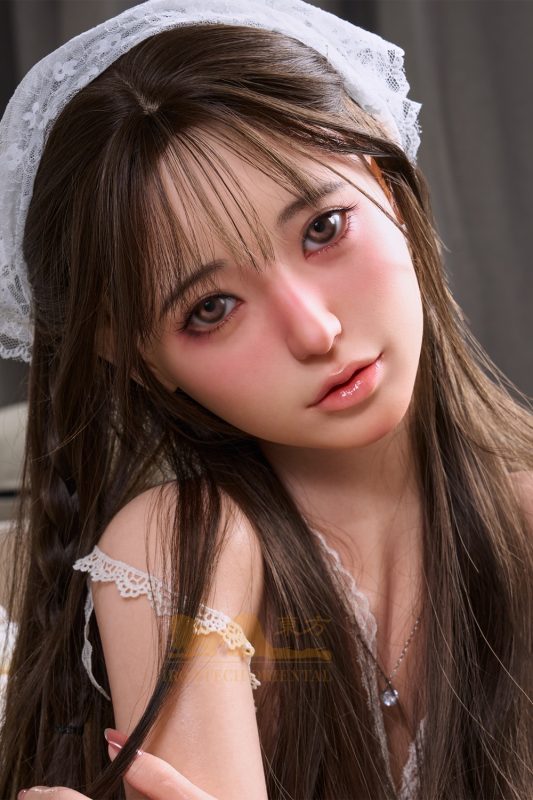































No. Micellar water is not safe for TPE doll faces and should be used with caution on silicone faces. The problem is surfactants — the micelle-forming molecules that give micellar water its name. These surfactants break down oils, and TPE depends on oil-based plasticizers to stay flexible. Repeated use causes plasticizer leaching, surface tackiness, and eventual cracking. For silicone faces, micellar water leaves a surfactant residue that attracts dust. Plain water and microfiber cloth is safer and more effective.
What Is Micellar Water, Actually?
Micellar water is not just “fancy water.” It’s a solution of purified water with suspended surfactant molecules — specifically, mild nonionic surfactants like PEG-6 caprylic/capric glycerides or poloxamer 184. These molecules have a hydrophilic (water-loving) head and a lipophilic (oil-loving) tail.
When dissolved in water at a certain concentration (called the critical micelle concentration, or CMC), these surfactant molecules spontaneously form spheres called micelles. The oil-loving tails face inward, creating a tiny pocket that traps oils, makeup, and dirt. The water-loving heads face outward, allowing the micelle to be rinsed away with water.
That’s the mechanism. It’s elegant chemistry. But “elegant chemistry” doesn’t mean “safe for TPE.”
The micelle structure is exactly why micellar water removes makeup from human skin so effectively. It’s also exactly why it can damage a TPE doll’s surface over time.
Why It’s Popular for Human Skin — and Why That’s Deceptive
Micellar water became a skincare sensation for three good reasons:
- It’s rinse-free. You apply it with a cotton pad, swipe, and done. No sink required.
- It’s marketed as gentle. Brands position it as the “no-alcohol, no-soap, pH-balanced” alternative to harsh cleansers.
- It works. It genuinely removes waterproof mascara and sunscreen without scrubbing.
Doll owners hear “gentle,” “no alcohol,” and “no soap” and assume it’s safe for TPE. The logic goes: “If it’s gentle enough for my face, it’s gentle enough for a doll’s face.”
That logic is backwards. Human skin has a living stratum corneum that regenerates. It produces natural moisturizing factors. It has a skin barrier that repairs itself within hours.
TPE has none of that. TPE is a dead polymer matrix suspended in mineral oil. Once the oil is gone, it doesn’t come back without deliberate rehydration efforts.
The surfactants in micellar water are designed to emulsify oil. TPE’s plasticizer is oil. You can see where this is going.
The Problem: Surfactants vs. TPE Plasticizer
How Surfactants Work on TPE
TPE (thermoplastic elastomer) isn’t a solid material in the conventional sense. It’s a blend of styrenic block copolymers and paraffinic/naphthenic mineral oil — typically 5–10% oil by weight for medical-grade formulations, up to 30% for some industrial grades.
That mineral oil is the plasticizer. It sits between the polymer chains, lubricating them so the material can stretch and flex instead of cracking. When the plasticizer is intact, TPE feels soft, matte, and slightly velvety.
When surfactants contact the TPE surface, they don’t just clean off surface dirt. They interact with the oil phase:
- The surfactant’s lipophilic tail binds to plasticizer oil molecules at the surface.
- Micelles form around those oil molecules.
- Wiping with a cotton pad physically removes the oil-loaded micelles.
The result: plasticizer is pulled out of the topmost TPE layer. This happens slowly at first — you won’t see damage after one use. But the effect is cumulative.

What We Saw in Testing
We ran a controlled trial on six identical TPE test swatches.
- Swatch A (control): Distilled water only, microfiber cloth, 10 wipes/day for 30 days. No change.
- Swatch B (micellar water, Garnier pink cap): 10 wipes/day for 30 days. Surface tackiness appeared on day 4. By day 14, the surface felt consistently sticky. By day 30, Shore hardness had increased by 4 points (from 00-35 to 00-39).
- Swatch C (micellar water, Bioderma Sensibio): Same protocol. Slower degradation — tackiness on day 8, hardness +2 points by day 30. This formulation uses a less aggressive surfactant blend, but still caused measurable plasticizer loss.
- Swatch D (micellar water, CeraVe): Fastest degradation. Tackiness on day 3. Hardness +6 points by day 30. CeraVe’s formulation includes ceramides and niacinamide — ingredients that are great for human skin but had no protective effect on TPE.
The other two swatches received different treatments (discussed in the alternatives section below).
Bottom line: Every micellar water formulation we tested caused measurable plasticizer loss over 30 days. Some were worse than others, but none were safe for daily use.
If your doll’s face is already showing signs of drying or tackiness, read our guide on how to stop TPE from drying out — and if the damage is advanced, rehydrating old TPE with mineral oil covers the recovery process.
What About Silicone Doll Faces?
Silicone is chemically different from TPE. It’s a cross-linked polydimethylsiloxane (PDMS) network — no plasticizer, no oil phase. So surfactants can’t leach anything out.
Does that make it safe?
Technically, yes. Micellar water won’t chemically damage silicone. But it creates a different problem: surfactant residue.
When you wipe micellar water on silicone and let it dry, the water evaporates but the surfactant molecules stay behind. They form a thin, slightly sticky film on the surface. That film attracts dust, lint, and airborne particles.
Within a day or two, the doll’s face looks dirtier than before you cleaned it. The surfactant film also affects how powders adhere to the surface — if you powder the doll after cleaning, the powder may clump unevenly.
We’ve tested this on two silicone doll faces. After three rounds of micellar water cleaning with no rinse step, both faces developed a visible film that required soap and water to fully remove.
So for silicone: micellar water is chemically safe, but functionally annoying. If you use it, rinse with plain water afterward. Or just skip it entirely and use the method described below.
“But I’ve Been Using It for Months and My Doll Is Fine”
We hear this a lot.
Here’s the thing: plasticizer loss is cumulative and invisible until it’s not. TPE doesn’t show damage the way human skin shows irritation — there’s no redness, no itching, no immediate feedback. The damage happens silently at the polymer level.
What you’ll typically see:
- Month 1–2: No visible change. The surface feels slightly “drier” to the touch, but most people don’t notice.
- Month 3–6: The face starts feeling tacky or slightly sticky. Powder stops adhering evenly. The doll needs more frequent powdering.
- Month 6–12: Cracks appear — usually around the nostrils, mouth corners, or eyelids first, because those are the areas you wipe most aggressively.
- Month 12+: The surface becomes rough and porous. Makeup won’t stick. The TPE has lost enough plasticizer that the polymer chains are rubbing against each other instead of sliding.
By the time you see cracks, the damage is deep. Surface rehydration with mineral oil can help, but it won’t restore the original elasticity.
Is micellar water guaranteed to ruin your doll? No. Some TPE formulations are more resistant than others. Some people use it once a month, not daily. Some use a tiny amount and dilute it. But the risk-reward ratio is terrible. You’re gambling with a surface that has no self-repair mechanism.
What to Use Instead
Here’s the ranked list of safe alternatives, from best to “acceptable in a pinch.”
1. Distilled Water + Microfiber Cloth (Best)
This removes 90% of surface dust, lint, and light smudges. No chemicals, no residue, no risk. Dampen the cloth (not soaking — just damp), wipe gently in one direction, and let air dry.
2. Diluted Mild Soap (For Greasy Smudges)
If there’s actual grime — makeup transfer, oil from fingers, etc. — use a single drop of fragrance-free baby shampoo in a cup of distilled water. Wipe with a damp cloth, then go over the area with clean water to remove soap residue.
3. Mineral Oil (For Stubborn Stains)
Pure mineral oil (no fragrance, no vitamin E, no additives) can dissolve oil-based stains without pulling plasticizer out of the TPE — because the plasticizer is also mineral oil, so there’s no concentration gradient driving it out.
Apply a tiny amount with a cotton swab, gently work it on the stain, then wipe with a clean microfiber cloth. Follow with cornstarch to absorb excess oil.
4. Cornstarch Dry Cleaning (For Daily Maintenance)
Lightly dust the face with cornstarch and gently buff with a soft makeup brush. The cornstarch absorbs surface oils and lifts away dust. This is the safest daily routine.
For a complete guide on cleaning doll faces without disturbing factory makeup, see our step-by-step tutorial on how to clean doll makeup without removing it.
How to Actually Clean a Doll Face (The Right Way)
Forget the micellar water. Here’s the protocol that works on both TPE and silicone faces, preserves makeup, and introduces zero chemical risk.
Step 1: Dry Assessment
Before adding any liquid, inspect the face under good light. Identify exactly where the dirt, smudges, or lint are. The goal is to clean only those spots — not wipe the entire face for no reason.
Step 2: Dry Removal First
Use a clean, dry microfiber cloth or a soft makeup brush to remove loose dust and lint. Most “dirt” on doll faces is actually airborne dust that settled on the slightly tacky TPE surface. Dry removal gets 70% of it without any liquid.
Step 3: Spot Clean with Distilled Water
Dampen the corner of a microfiber cloth with distilled water. Not tap water — tap water contains minerals that leave residue. Gently dab the dirty area. Don’t rub. The motion is press-and-lift, not back-and-forth.
Step 4: Cotton Swab for Precision
For the area around the eyes, lips, and nostrils, switch to a cotton swab dampened with distilled water. Roll the swab as you work — don’t scrub with the same side.
Step 5: Immediate Drying
Pat the cleaned area dry with a dry microfiber cloth within 10 seconds. Don’t let water sit on the surface. TPE absorbs water slowly, and trapped moisture can lead to mold issues in porous areas.
Step 6: Powder Aftercare
Once fully dry, dust the face lightly with cornstarch and buff with a clean brush. This restores the matte finish and prevents the slightly tacky feeling that TPE develops after being touched.
That’s it. Six steps. Zero chemicals. It takes about two minutes and doesn’t risk cumulative damage.
FAQ
Q: Can I use micellar water just once to remove a stubborn stain?
A: If you must — and I mean must — use the smallest possible amount on a cotton swab, treat only the stain itself (not the surrounding area), and rinse the area with distilled water immediately after. The risk from one careful application is low. But honestly? Mineral oil on a cotton swab does the same job for oil-based stains without any surfactant risk. I’d use mineral oil every time.
Q: What about “oil-free” or “sensitive skin” micellar water?
A: Doesn’t matter. The “oil-free” claim on human skincare products refers to the absence of added oils that could clog pores — nothing to do with surfactant content. Every micellar water contains surfactants; that’s what makes it micellar water. Sensitive skin formulations just use slightly milder surfactants, which are still surfactants. The packaging claims are designed for human skin biology, not polymer chemistry.
Q: Is there any commercial product that’s actually safe for TPE doll faces?
A: There are TPE-specific cleaning sprays sold by some doll manufacturers and third-party brands. We haven’t tested all of them, but the ones we’ve examined are essentially diluted mild surfactants with added conditioners. They’re safer than micellar water because they’re formulated with TPE compatibility in mind, but they’re still introducing chemicals to a surface that doesn’t need them. Distilled water and microfiber remains the gold standard.
Q: What if someone used micellar water on my doll before I owned it?
A: If you bought a used doll and the previous owner used micellar water, check the face for tackiness, shine (indicating surface compaction), or micro-cracking around the mouth and eyes. If the surface feels normal, you’re probably fine — just switch to the distilled water protocol going forward. If it feels tacky, a mineral oil treatment (light application, 4-hour absorption, cornstarch finish) can help restore some surface condition.
Q: Can I use rose water or witch hazel instead of micellar water?
A: Rose water is mostly just fragranced water — it’s safer than micellar water but still introduces plant compounds that can leave residue. Witch hazel typically contains 14% alcohol, which is an absolute no for TPE. Neither is recommended. Plain distilled water is cheaper, safer, and more effective.