- New Arrivals
[Oriental Series] 153cm/5ft F-cup Silicone Collectible Lifelike Dolls – Yuna, Head S14 ROS MAX
Original price was: $2,794.00.$2,694.00Current price is: $2,694.00.[Oriental Series]168cm (5’6″) Realistic Textured Skin Silicone Collectible Lifelike Dolls – Scarlett ,Head R5 RosMax
Original price was: $3,360.00.$3,260.00Current price is: $3,260.00.159cm (5’2″) H-cup Real Skin Textured Silicone Premium Collectible Figures – Lena, Head Ros maxR8
Original price was: $3,310.00.$3,210.00Current price is: $3,210.00.[Oriental Series] 153cm/5ft F-cup Silicone Collectible Lifelike Dolls – Yuna, Head T1
Original price was: $2,794.00.$2,694.00Current price is: $2,694.00.159cm (5’2″) H-cup Real Skin Textured Silicone Collectible Lifelike Dolls – Hailey head Ros maxR9
Original price was: $3,310.00.$3,210.00Current price is: $3,210.00.159cm (5’2″) H-cup Real Skin Textured Silicone Premium Collectible Figures – Hailey head Ros maxR9
Original price was: $3,310.00.$3,210.00Current price is: $3,210.00. - Brands & IN Stock
- Create Your Own
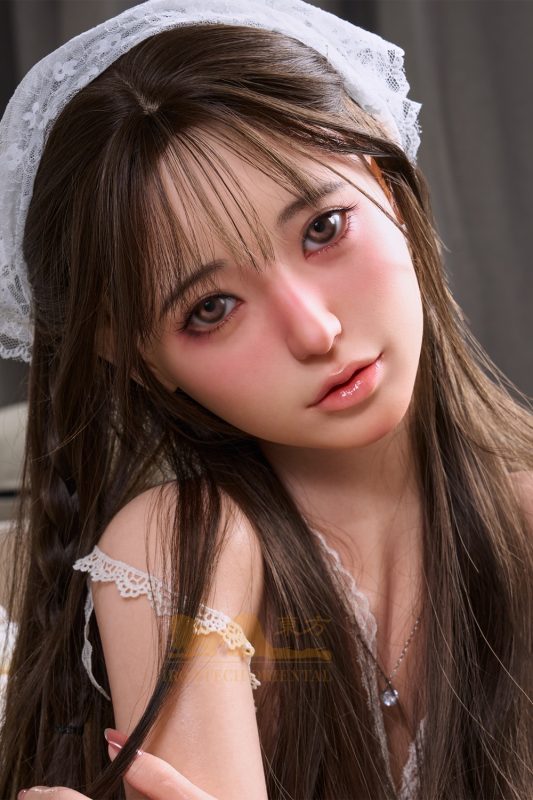































Reapplying blush to a TPE doll requires water-based acrylic paint (never oil-based), a soft stippling brush, and a matte acrylic sealer. The key technique is stippling — not painting — building color in 3–5 translucent layers. Because TPE is porous and oil-rich, the surface must be prepped with powder and cleaned of all oils before application. Seal with two light coats of matte spray. The whole process takes about 45 minutes and lasts 6–18 months depending on handling.
Why TPE Doll Blush Fades in the First Place
Factory blush usually lasts 1–3 years. But some dolls lose their blush within months. Here’s what’s actually happening under the surface.
1. Plasticizer Migration
TPE constantly releases trace amounts of mineral oil — the plasticizer that keeps it flexible. Over time, that oil rises to the surface and carries pigment particles with it. The blush essentially “floats” off the doll’s cheeks and redistributes unevenly. You’ll notice this as a patchy, faded look rather than a clean disappearance.
This is the same mechanism that causes TPE bleeding on dark-colored clothing. The oil is always moving.
2. Powder and Cleaning Cycles
Every time you powder the doll’s face or wipe it with a damp cloth, you remove a microscopic layer of pigment. Over 50–100 cleaning cycles, the cumulative loss becomes visible.
3. Handling and Contact
Where do people touch the doll most often? The face. Cheeks get contact during posing, photography, and storage. Fingers transfer oils that break down the blush pigment over time.
If the blush is factory-applied and you’re trying to remove it before reapplication, check our guide on what removes TPE factory makeup first — most removal methods damage the TPE surface, which you definitely don’t want before repainting.
What Paint Works on TPE (and What Definitely Doesn’t)
TPE is not a painted surface in the traditional sense. Paint doesn’t bond to it the way it bonds to canvas or wood. Instead, the paint sits within the surface texture — held in place by the slightly tacky, porous TPE matrix.
✅ Safe Materials
| Material | Why It Works | Best For |
| Water-based acrylic (FolkArt, Liquitex Basics, Apple Barrel) | Dries flexible, won’t crack with TPE flexing | Blush, eyeshadow, lip tint |
| Soft pastels (Rembrandt, Sennelier) | Can be powdered and buffed into TPE pores | Subtle blush, contouring |
| Doll-specific acrylic (Gently Doll, DBS) | Formulated for TPE/Silicone compatibility | All facial makeup |
| Pearlescent powder (mica-based) | Adheres well to powdered TPE surface | Highlight, shimmer blush |
❌ Never Use These
| Material | Why It Fails |
| Oil-based paint | Won’t dry on TPE; smears indefinitely |
| Human blush/cosmetics | Contains oils, waxes, and preservatives that degrade TPE |
| Alcohol-based markers | Leaches plasticizer, leaves permanent streaks |
| Nail polish | Contains acetone derivatives; melts TPE surface |
| Spray paint | Solvent propellants damage TPE instantly |
The One Exception
If you’re mixing your own pigment, you can suspend pure cosmetic-grade mica powder in a tiny amount of water-based acrylic medium. But honestly? A $3 bottle of FolkArt acrylic in “Coral” or “Dusty Rose” diluted 1:1 with water works better than most custom mixes and costs less.
What You’ll Need (Tools Checklist)
Before starting, gather everything. You don’t want to be scrambling for a clean brush mid-application.
- Water-based acrylic paint (2–3 blush tones — base, mid, highlight)
- Distilled water (for diluting paint)
- Paint palette or ceramic plate (for mixing)
- Soft stippling brush — round, 8mm–12mm diameter, synthetic bristles
- Small detail brush — round, 2mm–4mm, for edges
- Clean microfiber cloths (3–4)
- Cotton swabs (for fixing mistakes)
- Cornstarch or translucent setting powder
- Matte acrylic sealer spray (Krylon Matte Finish or similar)
- Soft makeup brush (for powdering)
- Good lighting — daylight spectrum, not warm yellow
The stippling brush is the most important tool. A pointed, soft brush with some bounce. If you use a flat brush, you’ll get streaks. If you use a sponge, you’ll get a patchy, cakey finish. The bristles need to bounce on and off the surface — not slide across it.

Surface Prep: The Step Most People Skip
Here’s where people mess up. They go straight to painting without prepping the TPE surface. Then the blush looks patchy, doesn’t blend, and flakes off within a week.
Do this first.
Step 1: Deep Clean the Cheek Area
Use a microfiber cloth dampened with distilled water. Wipe the cheeks thoroughly — front, sides, up to the temple, down to the jawline. You’re removing surface oils, old powder residue, and any leftover pigment dust.
Don’t use any cleaner — no soap, no alcohol, no micellar water. Just water. Anything else changes the surface chemistry and affects how the paint grabs.
Step 2: Dry Completely
Let the face air dry for 5 minutes. Then buff with a dry microfiber cloth. The surface should feel matte and slightly grippy — not slick or oily. If it feels greasy, you need to clean it again.
Step 3: Powder the Base
Lightly dust the cheek area with cornstarch using a soft makeup brush. Not a thick layer — just enough to whiten the surface slightly. Buff it in with circular motions for about 30 seconds per cheek.
Why powder before painting? Two reasons. First, it creates a uniform base that prevents the paint from sinking unevenly into more porous TPE patches. Second, it helps the paint “grab” and reduces bleeding at the edges.
Step 4: Tap Off Excess
Use a clean, dry brush to gently tap and sweep away loose powder. You want a barely-there film, not a visible white coat.
Color Selection: Matching Natural Blush Tones
Getting the color right is the difference between “beautiful” and “clown.”
Skin Tone Matching
| Doll Skin Tone | Blush Base Color | Highlight Color |
| Fair / Porcelain | Cool pink — “Rose,” “Petal” | Soft peach |
| Light / Beige | Warm peach — “Coral,” “Apricot” | Light rose |
| Medium / Tan | Terracotta — “Rust,” “Copper” | Warm coral |
| Dark / Ebony | Deep berry — “Plum,” “Wine” | Rose-gold highlight |
The rule of thumb: cool skin tones get pink-based blush. Warm skin tones get peach-based blush. If you’re unsure, peach is the safer bet — it reads as more natural on most TPE skin colors.
Test First
Always test your color on a hidden area — behind the ear or inside the thigh. Paint a small patch, let it dry, and powder over it. The color you see wet is about 30% darker than the color you’ll get after drying and powdering. Mix your paint 30% lighter than you think you need.
Application Technique (The Actual Blush Part)
Now the real work.
Step 1: Dilute the Paint
Mix your base blush color with distilled water at a 1:1 ratio on your palette. The consistency should be like thin milk — opaque enough to see color, fluid enough to flow off the brush easily.
This is not like painting a wall. You’re not going for coverage. You’re going for translucency. TPE blush should look like it’s coming from inside the skin, not sitting on top.
Step 2: Load the Brush (Lightly)
Dip just the tip of your stippling brush into the diluted paint. Then dab it on a clean part of the palette to remove the excess. The brush should be damp, not wet. If you press it against your hand and see liquid pooling, it’s too much.
Step 3: Stipple, Don’t Paint
Hold the brush perpendicular to the cheek. Use a rapid up-and-down tapping motion — like you’re dotting the surface hundreds of times per minute. Don’t drag. Don’t swipe. Just tap.
Start at the apple of the cheek (the fullest part, roughly where the cheekbone sits above the corner of the mouth). Work outward in a circular pattern. The center should have the most pigment; the edges should fade to nothing.
Expect to do about 200–300 taps per cheek. It takes patience.
Step 4: Build in Layers
One pass will look almost invisible. That’s correct.
- Pass 1: Barely-there tint. Let dry 2 minutes.
- Pass 2: Visible color building. Let dry 2 minutes.
- Pass 3: Clear blush tone emerging. Assess — is this enough?
- Pass 4: (If needed) Final depth.
- Pass 5: (Optional) Highlight — mix a slightly lighter/pearlescent shade and stipple just the highest point of the cheekbone.
The worst thing you can do is try to get full color in one heavy pass. That looks painted on. Multiple translucent layers create the depth illusion.
Step 5: Blend the Edges
Once the final layer is dry (3–4 minutes), take a completely clean, dry stippling brush and gently tap around the edges. This softens any visible boundary between the blush and bare skin. No paint on this brush — you’re just diffusing the edge with physical agitation.
Setting and Sealing
Paint on TPE will rub off unless you seal it.
Step 1: Powder Set
Lightly dust the blushed area with cornstarch. Let it sit for 5 minutes. The powder absorbs any residual moisture from the paint and bonds to the surface. Buff gently with a clean brush. This sets the color physically, but it won’t make it waterproof.
Step 2: Matte Acrylic Sealer
Hold the sealer spray 12–14 inches from the face. Spray one quick pass over each cheek — about half a second per pass. You want a fine mist, not a wet coat. Too much sealer pools and creates a shiny, plastic-looking patch.
Wait 15 minutes. Apply a second pass.
Two light coats are better than one heavy one. Heavy coats dry glossy and peel. Light coats dry matte and bond invisibly.
Step 3: Final Powder
After the sealer is fully dry (30 minutes), do one final light dusting of cornstarch and buff. This restores the matte, skin-like finish and prevents any residual sealer tackiness.
Fixing Mistakes
Made a mistake? Don’t panic.
While the paint is wet: Dampen a cotton swab with distilled water and gently roll it over the mistake. TPE is forgiving — wet paint lifts easily if you catch it within 30 seconds.
After the paint has dried: You’ll need to spot-clean with a damp microfiber cloth and a bit of gentle rubbing. This may disturb the powder base, so you’ll need to re-powder the area before repainting.
Sealer went glossy: You applied too much. Wait 24 hours, lightly buff the shiny area with a clean microfiber cloth, then re-powder. If it’s still glossy, you may need to use a diluted isopropyl alcohol swab (under 50%) to remove the sealer layer and start over.
Color is too dark/bright: Powder reduces color intensity by about 20%. If it’s still too dark, you can apply a very thin wash of white acrylic (heavily diluted, 1:5 paint to water) over the blush to mute it. Re-seal after.
How Long Will It Last?
| Care Level | Expected Duration |
| Display only, no handling | 18–24 months |
| Light handling (posing, photos) | 8–12 months |
| Regular handling | 4–6 months |
| Frequent cleaning with cloth | 2–3 months |
The longevity difference comes down to physical contact. Every time you touch the cheek, wipe the face, or reposition the doll against a surface, you’re mechanically abrading the sealed layer. The sealant protects the pigment underneath, but it’s not indestructible.
What About Silicone?
This article focuses on TPE, but you might have a silicone doll. The technique is similar — water-based acrylic, stippling, matte sealer. But silicone needs one extra step: a platinum-cure silicone primer before painting. Without the primer, nothing adheres to silicone’s perfectly non-porous surface.
For TPE, skip the primer. The naturally porous surface handles it.
If you need to clean around the new blush without disturbing it, our guide on how to clean doll makeup without removing it covers safe techniques for cleaning near painted areas.
FAQ
Q: Can I use actual human makeup blush instead of acrylic paint?
A: No. Human blush contains oils, waxes, and binding agents that don’t dry on TPE. It’ll smear when touched, transfer onto everything, and potentially interact with the TPE’s plasticizer in unpredictable ways. Water-based acrylic looks exactly the same once applied and powder-set — and it actually stays put.
Q: How do I match the exact factory blush color from my doll’s original makeup?
A: Take a reference photo of the remaining factory blush in daylight. Bring the photo to a craft store and match it to the acrylic paint swatches. FolkArt and Apple Barrel both have extensive color ranges with consistent naming. “Coral,” “Dusty Rose,” and “Blush” are the three most common matches. Buy all three — they’re $2–3 each, and mixing a custom shade from two bottles gives a better match than hoping one bottle is perfect.
Q: Can I reapply blush without removing the old faded blush?
A: Yes. As long as the old blush is faded (not patchy or streaky), you can paint directly over it. The new layers will cover the old. If the old blush is patchy — some areas darker than others — you’ll want to even out the base first by buffing the cheeks with a microfiber cloth until the color is uniformly faded, then powder and repaint.
Q: Will the sealer make my doll’s face look shiny?
A: Only if you apply too much. The right amount — two quick mist passes from 12+ inches away — dries invisible and matte. If you end up with shine, buff the area with a dry microfiber cloth after 24 hours of curing, then re-powder. The shine comes from sealer pooling, not from the sealer itself.
Q: What if my doll has a textured or detailed skin surface? Will the stippling still work?
A: Yes, but go lighter on the powder base. Textured TPE — dolls with skin pores, freckles, or sculpted detail — needs less powder because the paint has more physical surface to grip. Follow the same steps but halve the amount of powder in the prep stage. Too much powder fills in the texture and makes the skin look flat.