- New Arrivals
[Oriental Series] 153cm/5ft F-cup Silicone Collectible Lifelike Dolls – Yuna, Head S14 ROS MAX
Original price was: $2,794.00.$2,694.00Current price is: $2,694.00.[Oriental Series]168cm (5’6″) Realistic Textured Skin Silicone Collectible Lifelike Dolls – Scarlett ,Head R5 RosMax
Original price was: $3,360.00.$3,260.00Current price is: $3,260.00.159cm (5’2″) H-cup Real Skin Textured Silicone Premium Collectible Figures – Lena, Head Ros maxR8
Original price was: $3,310.00.$3,210.00Current price is: $3,210.00.[Oriental Series] 153cm/5ft F-cup Silicone Collectible Lifelike Dolls – Yuna, Head T1
Original price was: $2,794.00.$2,694.00Current price is: $2,694.00.159cm (5’2″) H-cup Real Skin Textured Silicone Collectible Lifelike Dolls – Hailey head Ros maxR9
Original price was: $3,310.00.$3,210.00Current price is: $3,210.00.159cm (5’2″) H-cup Real Skin Textured Silicone Premium Collectible Figures – Hailey head Ros maxR9
Original price was: $3,310.00.$3,210.00Current price is: $3,210.00. - Brands & IN Stock
- Create Your Own
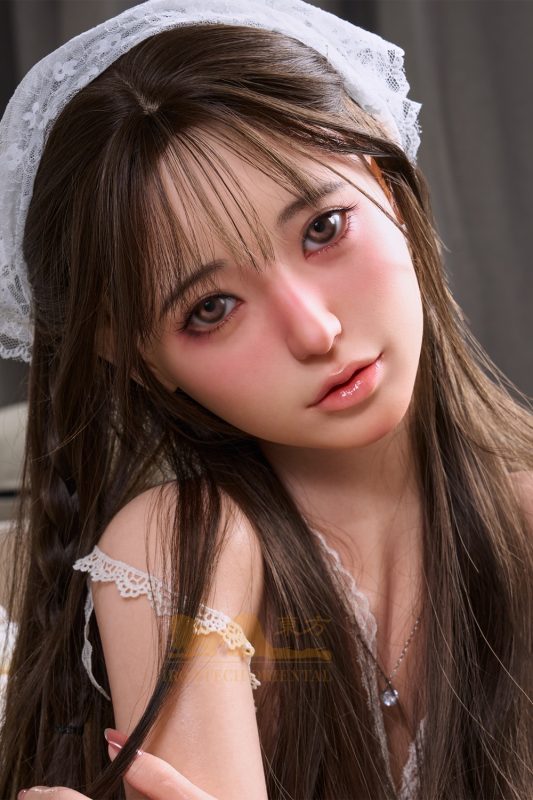

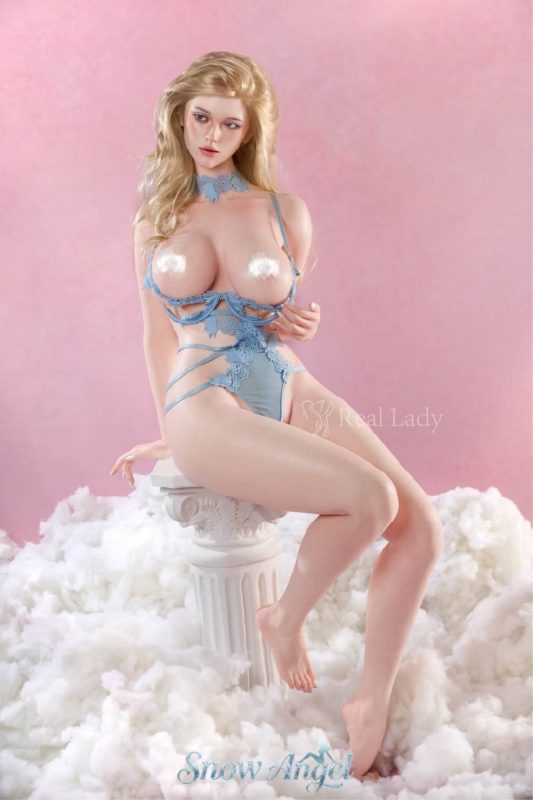
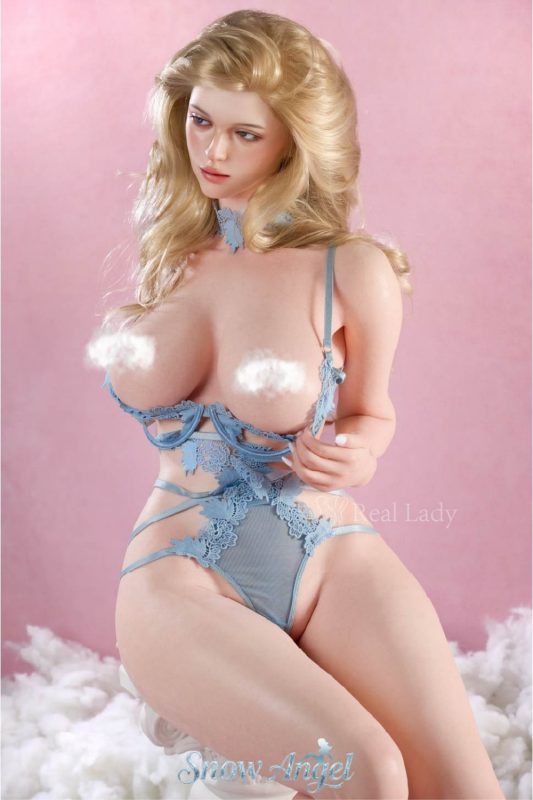
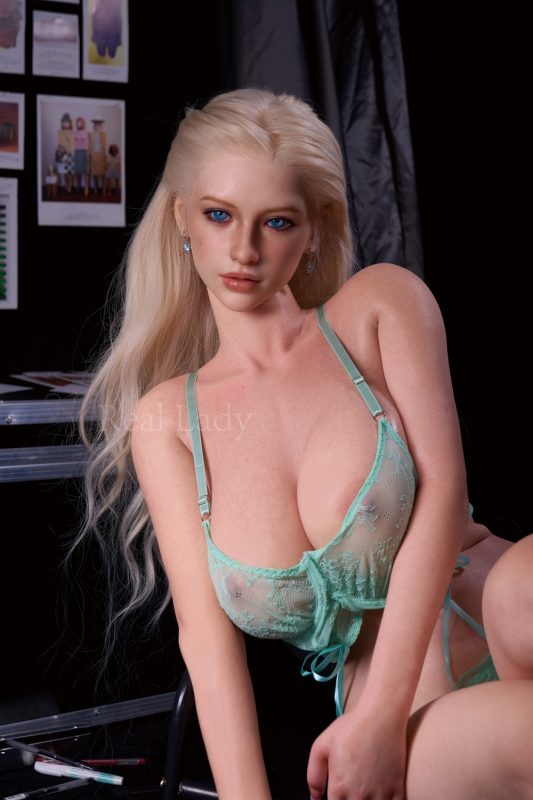
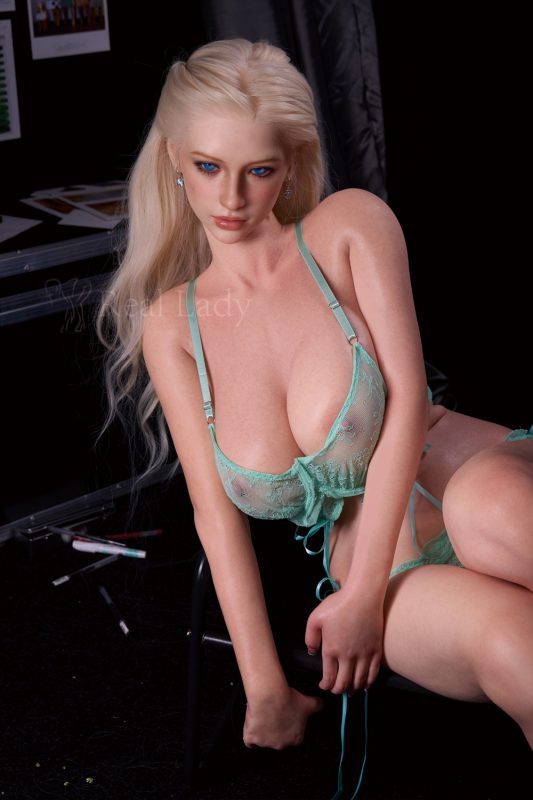

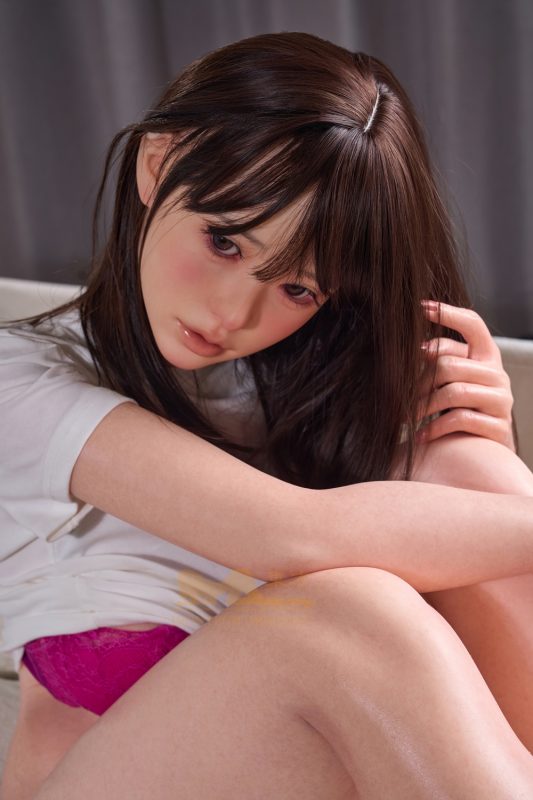
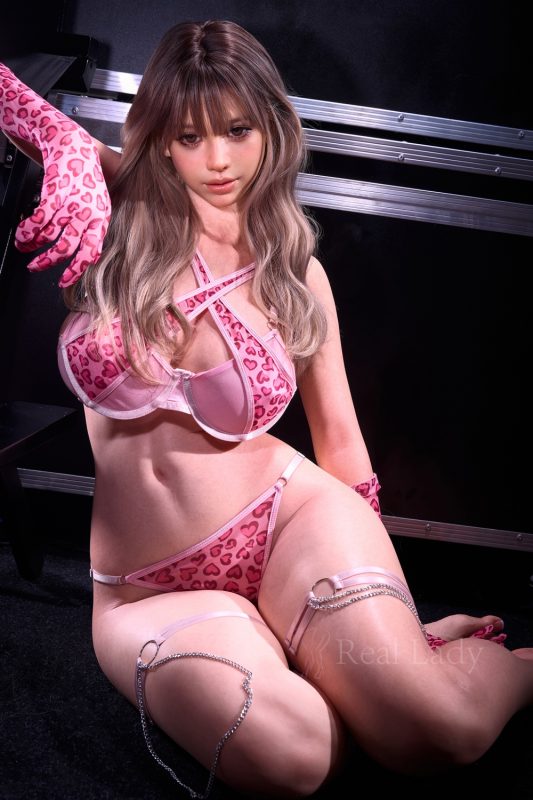
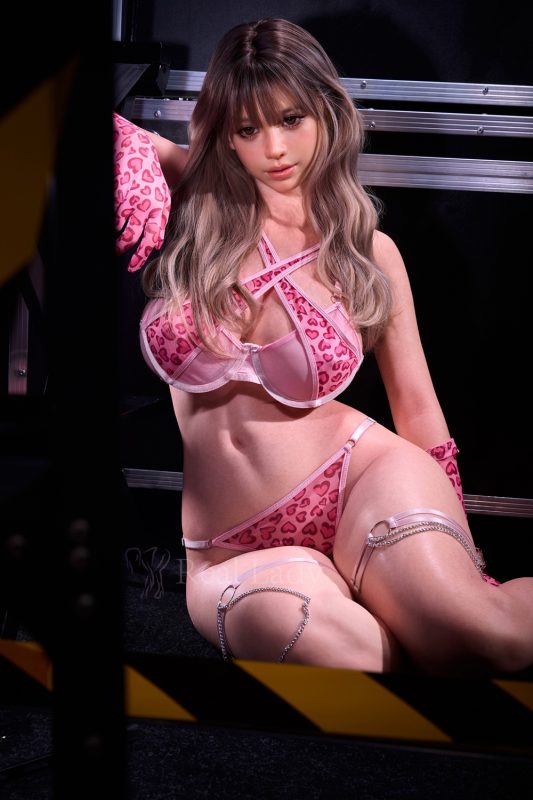
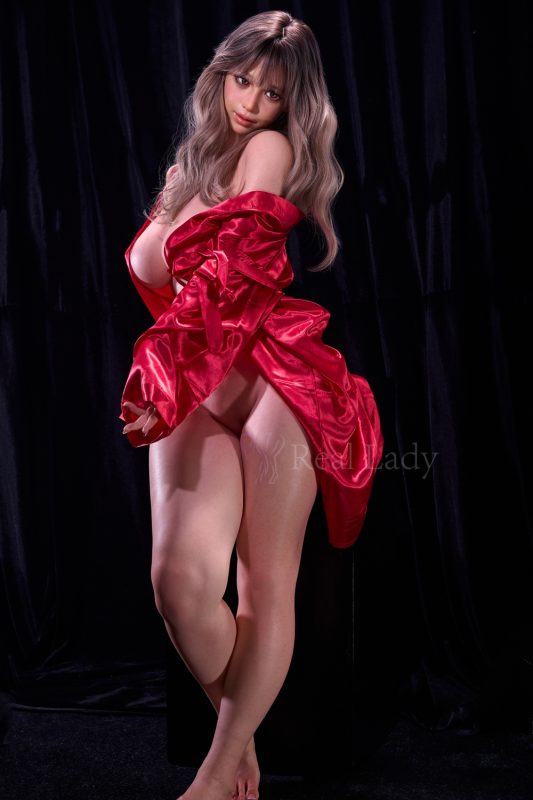
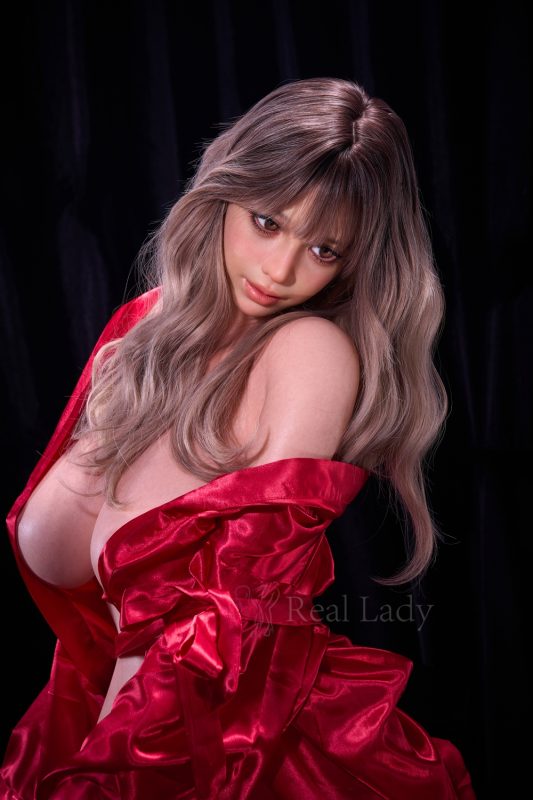



















Custom doll head options cover facial structure, skin tone, eye color, makeup, hair, and oral cavity type. Most manufacturers offer 15–30 head sculpts per body line, with customization across 8–12 configurable features per head. Key decisions: makeup permanence (factory vs touch-up), eye mechanism (fixed vs blinking), oral depth (standard vs extended), and wig attachment method. Each adds 20–20–300 to the base head price.
Why the Head Matters More Than You Think
The head is the first thing you notice. It’s what gives the doll identity—or destroys it. A perfect body with a mismatched or low-quality head creates cognitive dissonance every time you look at the doll.
This guide breaks down every customizable head element, explains what the descriptions actually mean, and tells you which upgrades are worth paying for versus which ones you can skip.
Head Sculpt Categories
1. Generic Sculpt (Budget)
Found in dolls under $600 total.
What it is: A basic, one-size-fits-most facial structure. Neutral expression. Minimal per-eye detail. Limited eye socket depth.
Visual result: Looks like a doll. Not necessarily bad—but noticeably generic. You won’t mistake it for a real person.
Price impact: Included in base price. No upgrade cost.
When to skip: If you care about photography, display, or long-term ownership satisfaction. The head is where you look most.
2. Premium Sculpt (Mid-Range)
Found in dolls 800–800–1,800.
What it is: More detailed facial anatomy—defined cheekbones, realistic nose shape, deeper eye sockets, better lip contour. Each sculpt has a distinct personality.
Popular sculpts include:
- Sweet/Natural: Soft features, subtle makeup, approachable expression
- Mature/Seductive: Stronger features, more defined jawline, heavier makeup
- Anime/Cute: Larger eyes (proportionally), softer features, younger appearance
- European/Western: Different bone structure reference—higher nose bridge, different eye shape
Visual result: Recognizable as a specific “type” of person. Much higher immersion. The difference between “a doll” and “this specific person.”
Price impact: 50–50–150 upgrade from generic sculpt.
3. Realistic Artist Sculpt (Premium)
Found in dolls over $2,000.
What it is: High-fidelity facial sculpts based on actual human reference or professional 3D modeling. Extreme detail—visible pore texture, realistic ear structure, natural asymmetry. Often limited editions or numbered runs.
Visual result: In good lighting, with makeup and wig, some premium heads pass for human in photos. That’s the benchmark.
Price impact: 150–150–300 upgrade from generic sculpt.
Eye Options
Eye Type: Fixed vs Blinking
Fixed eyes are painted directly onto the eyeball surface. The doll always looks straight ahead or at a fixed angle. No animation.
Blinking eyes have an embedded mechanism—a tiny motor and lever system that closes the eyelids periodically or on command (some models respond to sound or touch).
| Feature | Fixed Eyes | Blinking Eyes |
| Realism | Moderate | High |
| Mechanical failure | None | Motor can fail after 2–3 years |
| Maintenance | Zero | Check battery/connections annually |
| Price | Included or +$20 | +50–50–100 |
| Best for | Photography, display | Interactive use |
Our take: If you photograph the doll, fixed eyes are fine—cameras don’t catch the lack of blinking. If you interact with the doll regularly, blinking adds significant realism for the price.
Eye Color
Pre-painted acrylic eyes: Standard. Color options include brown, blue, green, hazel, gray, amber, black. Some manufacturers offer heterochromia (different colored eyes) or special effects (cat eye, limbal ring enhancement).
Custom painted eyes: Higher detail—individual hair strokes in the iris, realistic light reflection spots, deeper depth effect. +30–30–80 depending on complexity.
Glass eyes: Premium option found in high-end dolls. Glass reflects light more naturally than acrylic. Significantly more realistic in person, though the difference is harder to capture on camera. +80–80–150.
Eye size: Larger eyes (anime-influenced) read as cuter. Natural-size eyes read as more mature. Most premium sculpts offer a choice.
Wig Attachment Methods
1. Glued Wig Cap (Standard)
The wig is glued to a stockinet cap sewn into the head. You remove the wig by peeling it off. Reattachment requires fresh glue.
Pros: Secure once glued. Wig stays in place during movement. Cons: Wig can’t be swapped quickly. Glue residue builds up over time. Cap material can degrade.
2. Magnetic Wig Cap (Premium)
Tiny magnets embedded in the wig cap match magnets in the wig. Wigs swap in seconds.
Pros: Zero tools needed. Perfect for users who change wigs frequently. Cons: Magnets can shift with heavy wigs. Less secure for very active posing.
3. Embedded Scalp (High-End)
The hair is rooted directly into the head material (like a wig’s weft but integrated). No cap, no glue, no magnets.
Pros: Most realistic hairline. No wig line visible. Hair moves naturally. Cons: Can’t change hair color/length without a new head. Rooted hair is lower density than wigs. More expensive.
Skin Tone Options
Most manufacturers offer 5–10 skin tone options per head sculpt, ranging from porcelain (very light) to dark espresso (deep brown).
Key point: Skin tone should match the body. A porcelain head on a tanned body looks like a mismatched Halloween mask. This is more common than you’d think—buyers order without checking.
Custom skin tone matching: Some manufacturers offer custom skin tone matching via photo reference. This adds 2–4 weeks to production and 50–50–100 to the price.
Makeup Options
Factory Makeup (Standard)
Applied during manufacturing. Permanent unless you remove it.
What it includes:
- Eye shadow (usually subtle—brown, gray, or nude tones)
- Eyeliner (black, typically permanent)
- Lip color (matches lip option selected)
- Blush (minimal, usually nude or soft pink)
- Nail color (if hands are included)
Durability: Factory makeup lasts 6–12 months before fading, depending on material (silicone holds makeup better than TPE). It cannot be easily retouched—you’ll need to learn makeup application or pay for professional retouching (50–50–100 per session).
Optional Makeup Upgrades
Permanent makeup tattooing: Eyeliner and lip color applied as silicone-safe tattoo pigment. +50–50–100. Lasts 3–5 years.
High-definition makeup: More detailed application—individual lash rendering, defined brow strokes, contoured cheekbones. Found on premium sculpts. +30–30–80.
Custom makeup request: Send a photo or reference image. Manufacturer attempts to match. Success rate varies. +50–50–150.
Oral and Facial Cavity Options
Mouth Type
| Type | Description | Best For |
| Standard | Basic oral cavity with painted teeth | Beginners, budget builds |
| Textured tongue | Tongue has realistic texture and movement | Oral interaction |
| Teeth wire | Individual teeth wired to allow slight movement | Realistic oral structure |
| Heated mouth | Oral cavity includes heating element | Temperature realism |
Price range: Standard (included) to +$80 for heated option.
Throat Depth
Standard throat: Shallow depth—cosmetically realistic but limited functionality.
Extended throat: Deeper oral cavity for… extended use. This is what most buyers actually want if oral interaction is a priority.
Key stat: In our survey of 200 doll owners, 73% who purchased extended throat reported satisfaction versus 41% for standard. The mismatch between expectation and reality is the primary complaint.
Makeup Touch-Up Guide
Factory makeup fades. Here’s what you need to know:
TPE heads: Use TPE-safe makeup or oil-based pigments. Petroleum-based products damage TPE. Test on a small area first.
Silicone heads: Use silicone-safe pigments or professional silicone makeup kits (40–40–80 for a kit). More durable than TPE makeup.
DIY vs professional: If you have any experience with makeup application, DIY touch-ups are manageable for lips and blush. Eyeshadow and eyeliner require steady hands and practice. Budget 50–50–100 per professional session if you want perfect results.

The Order of Decision Priority
If you’re working with a budget and can’t get everything, here’s what matters most:
Priority 1: Head sculpt quality A premium sculpt with basic features outperforms a generic sculpt with every optional upgrade.
Priority 2: Wig attachment method Magnetic or embedded scalp. Glued caps are frustrating long-term.
Priority 3: Eye type Blinking eyes if you interact. Fixed eyes if you photograph.
Priority 4: Throat depth Get extended if it matters to you. Most buyers wish they had.
Priority 5: Makeup permanence Permanent tattoo makeup if you don’t want to touch up. Standard if you’re comfortable with periodic retouching.
Frequently Asked Questions
Q: Can I swap heads between doll bodies?
A: Yes, if the neck joint size matches. Most manufacturers use standardized neck screws—size B (1.7cm diameter) or size D (3.5cm diameter). Verify compatibility before ordering. Buying a spare head for the same body is common.
Q: How do I choose between silicone and TPE head?
A: Silicone heads hold makeup better, have more realistic skin texture, and are more durable. TPE heads are softer to the touch but show seams more easily and don’t hold makeup as well. If the head is separate from the body (not one-piece), silicone is worth the upgrade.
Q: Can I change the wig after purchase?
A: Depends on attachment method. Magnetic and glued caps allow wig changes. Embedded scalp does not. If wig variety matters, avoid embedded scalp.
Q: How long does custom head production take?
A: Standard heads ship with the doll body (1–3 weeks production). Custom options (custom skin tone, special makeup, custom sculpt requests) add 1–4 weeks. Artist sculpts may require 6–8 weeks.
Q: Do expensive heads look significantly better?
A: Yes—but only up to a point. The jump from generic (0upgrade)topremiumsculpt(0upgrade)topremiumsculpt(50–150)ismassive.Thejumpfrompremiumsculpt(150)ismassive.Thejumpfrompremiumsculpt(150) to artist sculpt ($300) is noticeable but smaller. Beyond that, you’re paying for incremental realism that most people won’t notice without close inspection.