- New Arrivals
[Oriental Series] 153cm/5ft F-cup Silicone Collectible Lifelike Dolls – Yuna, Head S14 ROS MAX
Original price was: $2,794.00.$2,694.00Current price is: $2,694.00.[Oriental Series]168cm (5’6″) Realistic Textured Skin Silicone Collectible Lifelike Dolls – Scarlett ,Head R5 RosMax
Original price was: $3,360.00.$3,260.00Current price is: $3,260.00.159cm (5’2″) H-cup Real Skin Textured Silicone Premium Collectible Figures – Lena, Head Ros maxR8
Original price was: $3,310.00.$3,210.00Current price is: $3,210.00.[Oriental Series] 153cm/5ft F-cup Silicone Collectible Lifelike Dolls – Yuna, Head T1
Original price was: $2,794.00.$2,694.00Current price is: $2,694.00.159cm (5’2″) H-cup Real Skin Textured Silicone Collectible Lifelike Dolls – Hailey head Ros maxR9
Original price was: $3,310.00.$3,210.00Current price is: $3,210.00.159cm (5’2″) H-cup Real Skin Textured Silicone Premium Collectible Figures – Hailey head Ros maxR9
Original price was: $3,310.00.$3,210.00Current price is: $3,210.00. - Brands & IN Stock
- Create Your Own
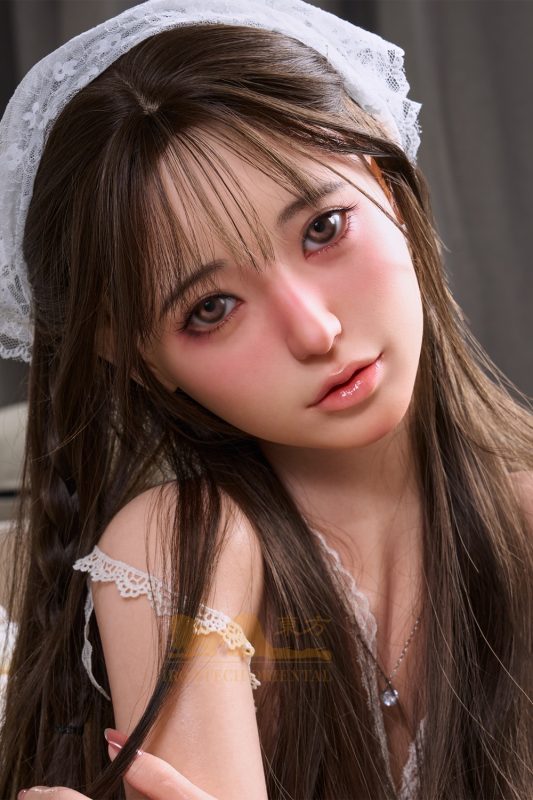






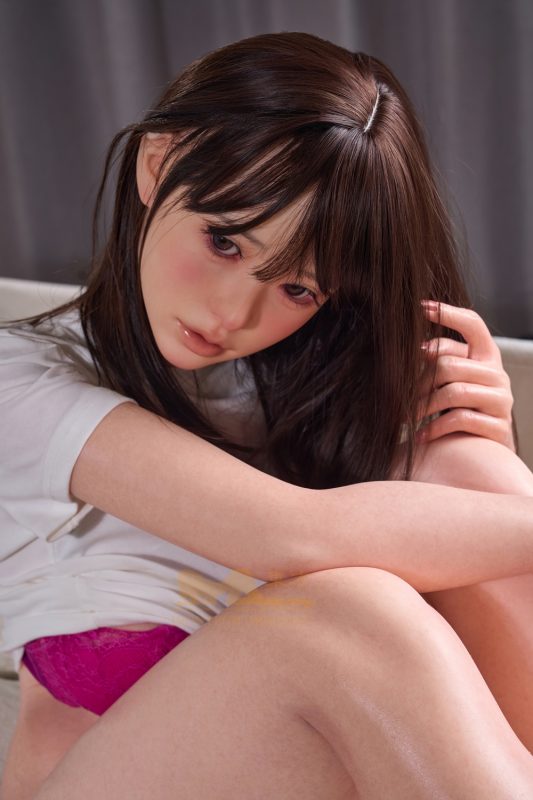

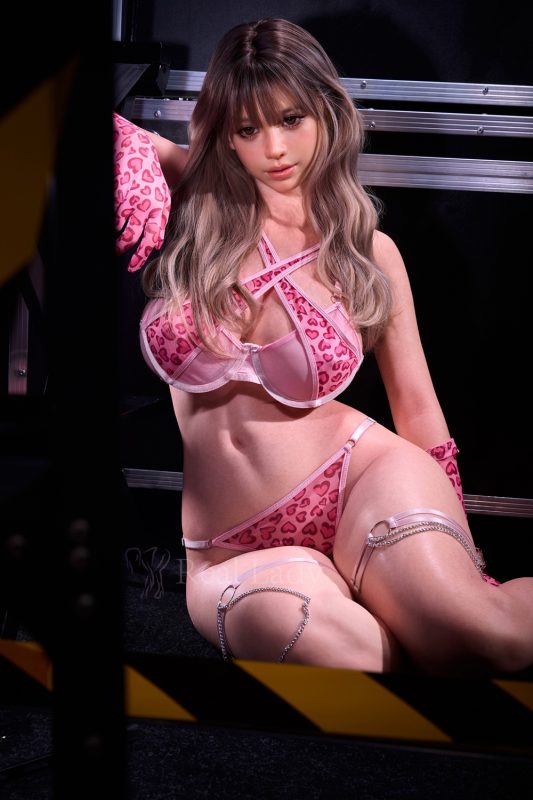






















To dress a doll without tearing the skin, warm the TPE to room temperature first to maximize elasticity, use a body stocking or nylon slip as a friction-reducing layer between skin and clothing, slide garments on with smooth rolling motions rather than pulling, and avoid any clothing with metal zippers, tight elastic bands, or abrasive textures in direct contact with the surface. Cold TPE tears far more easily than warm TPE — temperature preparation is the single biggest factor most owners overlook.
You bought the perfect outfit. You try to put it on. And then you hear it — or feel it. That slight resistance. That subtle give.
And now there’s a small tear at the armpit, or a surface scuff across the shoulder, or a thin white stress mark at the wrist joint.
It’s one of the most common doll-care mistakes, and it’s almost entirely avoidable. The problem isn’t the outfit. It’s the technique — and often, the temperature.
Here’s exactly how to dress a doll safely, what materials to avoid, and the pre-dressing prep that makes the entire process easier.
Why TPE Skin Tears During Dressing (The Physics Behind It)
TPE is an elastomer. It stretches. But stretch has limits, and those limits change dramatically based on temperature, direction of force, and surface friction.
The Friction Problem
Fabric doesn’t slide on TPE. It grips. Cotton, polyester, denim — they all have microscopic surface texture that catches on the tacky, slightly porous surface of TPE. When you try to pull a sleeve up an arm, you’re not smoothly sliding fabric over skin. You’re dragging thousands of tiny fabric hooks across a rubber-like surface.
That dragging creates stress concentrations at the thinnest parts of the TPE — typically the wrist, ankle, armpit, and inner elbow. These areas have the least material cross-section to resist tensile force. When the stress exceeds the material’s tear strength, the surface gives.
Silicone is marginally more tear-resistant than TPE due to its cross-linked polymer structure, but it’s not immune. Surface scuffs and shallow tears happen with silicone too — especially at joints and thin-walled sections.
The Temperature Factor
Cold TPE is stiff TPE. At room temperature (68–72°F / 20–22°C), TPE is in its optimal elastic state — it can stretch significantly before tearing. But at 50°F (10°C) or below, the mineral oil in TPE has partially solidified, making the material stiffer and more brittle. Tear resistance drops by roughly 30–40% in cold conditions. [Source: SEBS Elastomer Technical Reference, Kraton Performance Polymers]
This is why dolls stored in garages, basements, or cool rooms are so prone to tearing during dressing — especially in winter. The material that would safely stretch at room temperature simply can’t handle the same stress when cold.
If your doll has been in a cool environment, bringing it to room temperature before attempting to dress it isn’t optional. It takes 1–2 hours depending on room and doll temperature. Cold TPE and tight clothing is a guaranteed path to surface damage. Our guide on how cold temperatures affect TPE explains exactly how the material’s mechanical properties shift with temperature — and why warm TPE is always safer to work with.
The Joint Stress Zones
Not all areas tear equally. High-risk zones during dressing are:
- Wrists and ankles — smallest cross-section, most fabric friction when sliding sleeves and pant legs on
- Armpits — fabric bunches here under shoulder seams; the skin is pulled in two directions simultaneously
- Inner elbows and knees — if the joint is bent during dressing, the outer skin is already pre-stretched and has less remaining stretch capacity
- Fingers — if dressing gloves or rings, the individual fingers have minimal TPE thickness and tear with almost no force
- Neck — for tops with tight collars or turtlenecks
Know your risk zones before you start. Dress those areas with extra care and extra technique.
Pre-Dressing Preparation: The Steps Most People Skip
Step 1: Temperature Check
Before you do anything else, check the doll’s temperature. Press the back of your hand against the torso, upper arm, and thigh. If the skin feels cool to the touch, it’s below optimal elasticity.
If the doll is cold: move it to a warm room (72–75°F / 22–24°C) and let it sit for at least 1–2 hours before dressing. Don’t use a heat gun, hair dryer, or any concentrated heat source to warm the skin — that creates surface damage before you even start. Gentle room-temperature acclimation is all that’s needed.
For faster warming of a cold doll before dressing, our safe warming methods guide covers all effective approaches including room acclimation, warm water techniques, and appropriate use of heat-retaining materials.
Step 2: Clean and Powder the Skin
Freshly cleaned TPE is slightly tacky. That tack grips fabric. Before dressing, dust all contact areas — arms, legs, torso — with a light layer of cornstarch or renewal powder (TPE-specific). The powder fills the micro-pores of the TPE surface, dramatically reducing friction.
Apply with a soft makeup brush. You want a thin, even coat — enough to remove the surface stickiness, not so much that it leaves visible white residue on clothing. Don’t use baby powder with fragrance (it can degrade TPE over time). Plain cornstarch is ideal.
Step 3: Prepare the Clothing
Check every garment before it goes anywhere near your doll:
- Zippers: Exposed metal zippers drag and scratch. Back-zip everything away from the doll’s body. Cover metal zipper pulls with tape if necessary. Side zippers are highest risk — they run directly along the torso’s most exposed surface.
- Buttons: Button all buttons before dressing. Sliding a button through a buttonhole while it’s on the doll creates point pressure that can dent or scuff the surface.
- Elastic bands: Tight elastic waistbands, cuffs, or ankle bands act like a tourniquet on TPE. The constant compression over time marks the skin. Pre-stretch any elastic band with your hands before fitting.
- Embellishments: Rhinestones, sequins, rivets, studded decorations — these are sandpaper against TPE. If an outfit has heavy embellishments on areas that contact the doll’s skin directly, it’s not safe for long-term wear.
- Fabric type: Ranking by safety: satin and silk (smoothest) > polyester (low friction) > cotton jersey (moderate) > denim and canvas (high friction) > wool and knit (highest friction, grabs TPE aggressively).
Step 4: The Body Stocking Method
This is the single most effective technique for preventing dressing damage. A thin nylon body stocking — the kind used by mannequins and collectible doll owners — goes on first. It creates a smooth, low-friction layer between the TPE skin and any outer clothing.
The stocking has its own elasticity. It absorbs the friction from dressing. The outer clothing slides over nylon rather than gripping TPE. Tear risk drops dramatically.
Stocking application itself requires care: use the techniques in this guide (rolling, not pulling), powder the skin first, and start from the feet up. Once the stocking is on, dressing any outer garment becomes far easier and lower-risk.

The Correct Dressing Technique: Limb by Limb
Dressing the Arms
Never try to thread an arm through a sleeve by pushing the doll’s hand forward into it. That’s the technique most prone to wrist tears.
Instead: bunch the sleeve completely up to the shoulder before fitting the arm. Then slide the arm in from above — doll’s hand first, entering the already-bunched sleeve at the shoulder opening. Once the hand is through and you can see the fingertips, slowly roll the sleeve down the arm toward the wrist. Let the fabric unroll naturally. No pulling. No forcing.
If the sleeve is tight at the wrist: hold the wrist gently with one hand to support the joint, and use your other hand to ease the sleeve cuff past the wrist with a slight twisting motion — clockwise then counterclockwise — rather than a straight pull.
Dressing the Legs
Same principle as arms. Bunch pants, leggings, or stockings fully to the waistband before fitting. Insert the foot first, threading it through the ankle opening. Once the foot is through, roll the fabric up the leg toward the hip — never pull downward.
The ankles are the tightest choke point for most clothing. If a pant leg or stocking won’t go over the ankle without significant force, the garment is too small. Do not force it. Either choose different clothing or size up.
Upper Body Garments
For tops, dresses, and jackets:
- Front-open garments (button-front shirts, open jackets): These are the easiest. Lay the garment open, position the doll’s arm into the sleeve while the shirt is flat, then close the front. Zero contact friction during arm insertion.
- Pullover tops (T-shirts, sweaters, turtlenecks): These are highest-risk. The neck opening must stretch over the head and neck — two of the most difficult areas. Bunch the entire top up to the neck opening, insert from above (top of head first), then roll downward rather than pulling the body through.
- Tight collars and turtlenecks: Use a collar expander — a simple plastic ring, available at tailor supply stores — to pre-stretch the neck opening to the correct diameter before fitting. Without it, forcing a tight collar over a doll’s head risks neck skin tearing.
Footwear
Shoes, boots, and socks are where ankle tears most commonly happen.
For socks: roll them completely inside-out before fitting. Slide the toe end over the foot, then roll the sock up the ankle. Never grip the sock cuff and pull upward over the foot.
For shoes: use a shoehorn. Every time. Without a shoehorn, the heel of the shoe compresses against the back of the ankle as you try to fit the foot in — creating a scraping stress on the exact area with least TPE thickness. A shoehorn guides the heel in cleanly. It’s a 3toolthatprevents3toolthatprevents50 repairs.
For boots with tight shafts: powder the ankle and lower leg before fitting, then use a slow twisting motion (like opening a jar) to ease the boot shaft up rather than pulling straight on.
Fabric and Clothing Types: Risk-Ranked
| Clothing Type | Tear Risk | Why | Safe to Use? |
| Satin slip dress / silk garments | Very Low | Smooth surface, minimal friction against TPE | ✅ Yes |
| Loose cotton jersey | Low | Soft and forgiving; modest stretch helps | ✅ Yes |
| Polyester sportswear | Low | Smooth weave; good slip over TPE when powdered | ✅ Yes |
| Fitted cotton blouse | Medium | Tighter fit + modest friction = care required | ⚠️ With technique |
| Denim jeans | High | Stiff, heavy, no stretch, metal rivets at stress points | ⚠️ Use stocking + technique |
| Knit sweaters / wool | High | Looped fibers grab TPE aggressively | ⚠️ Use stocking + technique |
| Turtlenecks / tight necklines | High | Neck/head is hardest to fit; constant collar pressure | ⚠️ Collar expander required |
| Tight elastic bodysuits | Very High | All-over compression; fights you at every joint | ❌ High risk; only with stocking |
| Clothing with rivets, studs, metal hardware | Very High | Hard metal against soft TPE; scratches and point tears | ❌ Avoid direct skin contact |
Long-Term Dressing Habits That Protect the Skin
Rotate Outfits Every 2–4 Weeks
Clothing compression is cumulative. Tight waistbands, bra straps, and sock cuffs leave permanent indentation marks in TPE if worn for weeks without rotation. Two to four weeks of wear, then a change.
Rotation also prevents dye transfer. Dark fabric dyes migrate into TPE’s mineral oil matrix under sustained contact. That discoloration is difficult to remove and sometimes permanent. Lighter-colored clothing, or clothing with a body stocking barrier, dramatically reduces dye migration risk. Any surface discoloration that does develop on TPE skin — whether from dye transfer or friction damage — follows the same identification and treatment principles as heat-related surface marks. Our guide on identifying and treating different types of TPE skin damage covers the full diagnostic process.
Don’t Store Dressed in Tight Clothing
Dressing for a photo session is one thing. Storing the doll dressed in tight clothing for weeks is another.
TPE creeps under sustained load — meaning it deforms slowly when compressed continuously. A tight waistband left on for a month will leave a visible indentation that may never fully recover. When storing, remove all constrictive clothing. Dress loosely or undress entirely.
Check Joints Before Dressing
If a joint feels stiff or you notice the skin over a joint has become slightly tacky or discolored, that surface is already stressed. Don’t attempt to dress that area until you’ve assessed the cause. Stiffness at a joint can indicate early dryness — TPE that’s losing its oil content is both stiffer and more prone to tearing. Applying renewal powder and allowing the mineral oil to redistribute over a few days can restore flexibility before you attempt dressing.
The “Two-Person” Rule for Difficult Garments
For very tight, complex, or heavily structured garments (corsets, tight jeans, multi-layer costumes), having a second person helps enormously. One person supports and holds the doll’s limb in position while the other manages the fabric. This eliminates the “pull with one hand while the other grips the doll” technique that’s responsible for most dressing tears — because you’re creating opposing forces that concentrate stress exactly where you don’t want it.
When Things Go Wrong: Minor Dressing Tears
Despite best technique, small tears happen. Here’s the immediate response:
Step 1: Don’t panic, and don’t try to stretch the torn area back into shape. TPE doesn’t “self-heal” and manipulating a fresh tear makes it larger.
Step 2: Clean the area with mild soap and water. Dry completely. Assess the tear depth and length under good lighting.
Step 3: For tears under 5mm: apply a small amount of TPE repair adhesive (sold as part of doll repair kits) to both edges of the tear. Hold the edges together firmly for 3–5 minutes. Let cure for 24 hours before dressing that area again.
Step 4: For tears longer than 5mm, or tears at joint stress points: use a layered TPE repair paste approach rather than just adhesive. The adhesive won’t hold under repeated joint stress. The paste fill creates a more durable repair.
For deeper damage — surface scuffs that removed material, or stress marks that extend beyond the surface layer — the repair approach shifts toward reconstruction rather than simple adhesion. The complete guide to repairing doll skin damage from heating and mechanical stress covers both surface and structural repair in detail.
Quick Reference: Pre-Dressing Checklist
Before every dressing session, run through this list:
Doll is at room temperature (skin feels warm, not cool)
Skin is clean and powdered with cornstarch or renewal powder
All zippers inspected and covered or closed
Buttons pre-buttoned, elastic bands pre-stretched
Body stocking applied if dressing tight or abrasive clothing
High-risk zones identified (wrists, ankles, armpits, neck)
All sleeves and pant legs pre-bunched before fitting
Shoehorn ready for footwear
If you can check all eight boxes, the risk of tearing is minimal.
Frequently Asked Questions
Q: Can I use lubricant instead of powder to reduce friction when dressing?
A: Don’t. Lubricant — even water-based — makes fabric wet and causes it to cling rather than slide over TPE. Powder is the correct approach. Cornstarch fills the surface pores and creates a dry, smooth buffer. If you use lubricant, the clothing soaks it up, loses its shape, and the friction returns in minutes. Powder stays effective for hours and doesn’t affect the clothing.
Q: My doll’s wrist joint feels stiff. Is it safe to dress the arms?
A: Stiff joints usually mean the internal skeleton is tighter than optimal, or the skin over the joint has dried slightly. Don’t force a sleeve over a stiff joint. First, flex the joint gently through its range of motion a few times — this redistributes internal tension. Then apply cornstarch powder over the wrist area. If the skin over the joint feels less elastic than surrounding areas, wait a day or two before dressing. The oil redistribution from being at room temperature often restores flexibility on its own.
Q: How tight is too tight for a garment?
A: Simple rule: if you need to apply more than 1–2 pounds of force to slide a garment over a joint, it’s too small. You should be able to dress the doll with fingertip-light pressure using the correct technique. Anything requiring real pulling force creates tear risk. Either size up, use a body stocking, or accept that the garment isn’t suitable for that doll’s proportions.
Q: Can I use a hair dryer to warm the skin before dressing?
A: No. A hair dryer on low still produces 140–180°F at the nozzle — well above TPE’s safe thermal threshold. Concentrated heat at dressing contact zones causes surface damage before you even start. Room temperature acclimation (1–2 hours in a 72°F+ room) is the correct approach. If you need faster warming, our guide on safe TPE warming methods covers the fastest options that don’t risk surface damage.
Q: The seam of a tight dress left indentation marks on the torso. Will they go away?
A: Probably, yes — given time. Shallow compression marks in TPE usually recover on their own within 24–72 hours once the pressure is removed. Remove the clothing, lay the doll in a neutral position (no contact with any surface on the marked areas), and let the mineral oil matrix redistribute. If the mark is still visible after 72 hours, it’s likely a deeper compression that will take longer — up to 1–2 weeks for full recovery. Marks that persist beyond two weeks are probably permanent deformation, not temporary compression.
The Bottom Line
Dressing a doll safely isn’t complicated. It’s a combination of three things: the right temperature, the right prep, and the right technique. Warm skin, powdered surface, pre-bunched fabric, slow rolling motion. That’s it.
The mistakes that cause tears almost always come from skipping one of those steps. Cold doll, no powder, pulling rather than rolling — any one of those alone is manageable. All three together and you’re gambling with expensive material.
Take your time. The outfit isn’t going anywhere. Your doll’s skin, once torn, doesn’t self-repair.
Have questions about a specific garment or situation? Drop them in the comments below.