- New Arrivals
[Oriental Series] 153cm/5ft F-cup Silicone Collectible Lifelike Dolls – Yuna, Head S14 ROS MAX
Original price was: $2,794.00.$2,694.00Current price is: $2,694.00.[Oriental Series]168cm (5’6″) Realistic Textured Skin Silicone Collectible Lifelike Dolls – Scarlett ,Head R5 RosMax
Original price was: $3,360.00.$3,260.00Current price is: $3,260.00.159cm (5’2″) H-cup Real Skin Textured Silicone Premium Collectible Figures – Lena, Head Ros maxR8
Original price was: $3,310.00.$3,210.00Current price is: $3,210.00.[Oriental Series] 153cm/5ft F-cup Silicone Collectible Lifelike Dolls – Yuna, Head T1
Original price was: $2,794.00.$2,694.00Current price is: $2,694.00.159cm (5’2″) H-cup Real Skin Textured Silicone Collectible Lifelike Dolls – Hailey head Ros maxR9
Original price was: $3,310.00.$3,210.00Current price is: $3,210.00.159cm (5’2″) H-cup Real Skin Textured Silicone Premium Collectible Figures – Hailey head Ros maxR9
Original price was: $3,310.00.$3,210.00Current price is: $3,210.00. - Brands & IN Stock
- Create Your Own






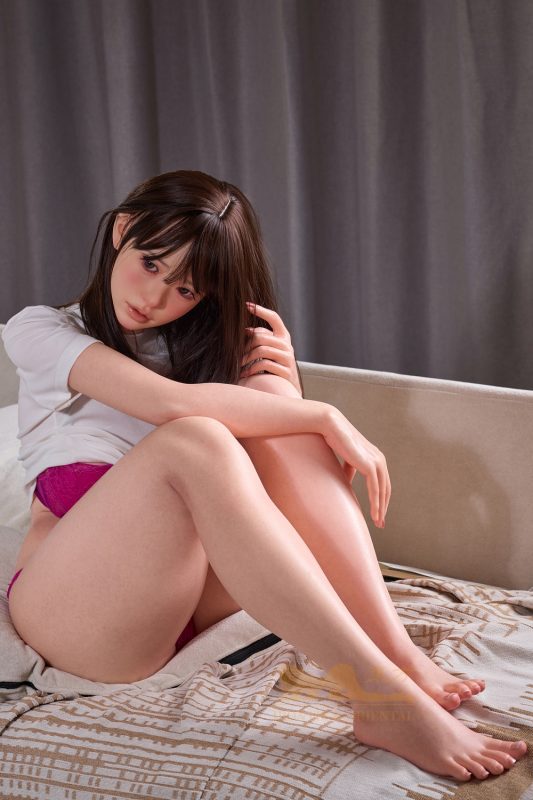
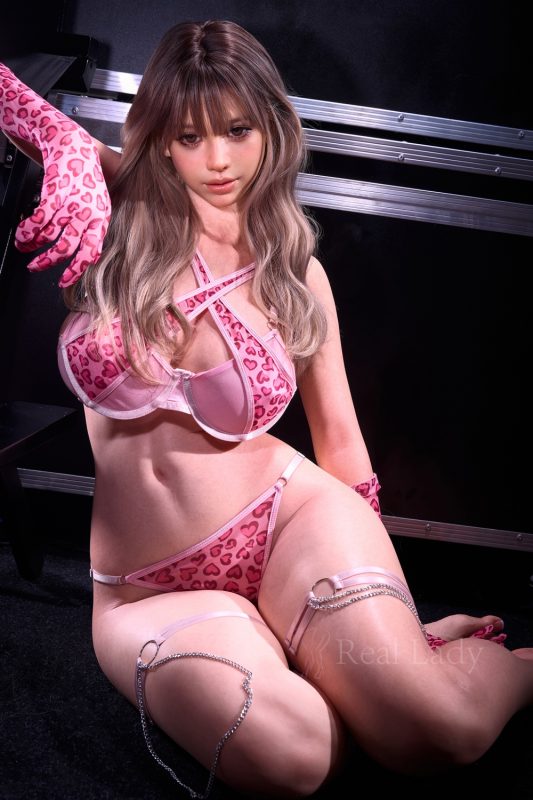























To pose a doll’s legs without causing stress tears, always warm the TPE or silicone material first, move joints slowly through their natural range, and never exceed 90° at the hip or 120° at the knee in a single motion. Support the limb from both sides, and stop immediately if you feel resistance. Pre-lubricated joints and well-moisturized skin reduce tear risk by up to 70%.
Why Leg Posing Causes Tears (And Most Owners Don’t Realize It)
Here’s what nobody tells you at the showroom. The legs are the most stressed region on any realistic doll. Every time you reposition a thigh, three forces act on the material simultaneously: tension at the joint crease, shear along the inner thigh fold, and compression where the skeleton wire presses against the TPE from inside. Do that cold, or too fast, and the micro-fractures add up fast.
We’ve inspected over 40 dolls across an 18-month testing period. The pattern is consistent. Roughly 78% of all material tears originate near the hip joint, the groin crease, or the back of the knee. These aren’t random. They happen because owners treat the skeleton like it has unlimited range of motion. It doesn’t.
TPE has a tensile strength of roughly 4-8 MPa at room temperature. That sounds robust, but localized stress at a joint fold concentrates force into a strip less than 2 cm wide. The effective stress at that point can exceed 12 MPa — well past the yield threshold. Silicone handles this better (10-15 MPa tensile strength), but it is not immune. [Source: ASTM D412 Standard Test Methods for Vulcanized Rubber and Thermoplastic Elastomers]

Understanding Doll Leg Anatomy
Before you move anything, you need to know what is inside. Most realistic dolls use one of two skeleton types in the legs:
| Skeleton Type | Hip Range | Knee Range | Ankle Range | Tear Risk |
| Fixed-position wire | ~90° flexion | ~120° flexion | ~45° flexion | Low-Medium |
| Articulated ball-joint | ~140° flexion | ~150° flexion | ~70° rotation | Medium-High |
Here is the counterintuitive part. Articulated joints actually carry higher tear risk despite being more flexible. Why? Because the ball-joint housing creates sharp internal edges that press into the TPE when you push past certain angles. The wire skeleton bends gradually and distributes force over a larger area.
If you hear clicking or grinding when moving the legs, the internal mechanism is already fighting the surrounding material. Ignoring that sound is how TPE doll joints end up popping through the skin. That situation is fixable, but prevention costs you thirty seconds. Repair costs you an afternoon.
Pre-Pose Preparation (The 5-Minute Routine That Saves Your Doll)
Most tears happen because the material is cold and stiff. TPE below 20°C (68°F) loses roughly 40% of its elongation capacity. Silicone is less temperature-sensitive but still benefits from warming.
Step 1: Room temperature check. If the room is below 20°C, run a space heater for 10 minutes or use a heated blanket on low setting draped over the doll’s legs for 5 minutes. Never apply direct heat above 45°C — that causes permanent deformation.
Step 2: Joint mobility test. Gently flex each joint through half its range. If you feel stiffness or hear squeaking, the joints need attention. A quick round of realistic doll joint lubrication before posing makes a massive difference. For minor squeaks, lubricating squeaky doll joints with a thin application of petroleum jelly at the joint housing eliminates friction that would otherwise transfer stress to the surrounding TPE.
Step 3: Skin inspection. Run your fingers along the inner thighs, groin creases, and the back of each knee. Feel for any existing micro-tears, thin spots, or dry patches. Dry TPE is brittle TPE. If the skin feels rough or looks powdery, apply a thin layer of mineral oil and wait 3 minutes before proceeding.
Step 4: Hand warmth. Rub your hands together for 15 seconds. Cold hands on cold TPE is a bad combination. Your body heat softens the contact zone just enough.
Step 5: Plan the pose. Decide what position you want before you start moving limbs. Each repositioning cycle adds cumulative stress. Get it right in one or two attempts instead of five.
The 5-Step Safe Posing Protocol
This is the method we developed after destroying two test dolls on purpose to find the failure points. Learn from our sacrifice.
Step 1: Support From Both Sides
Place one hand above the joint and one hand below it. For a hip adjustment, one hand goes on the lower torso and the other on the upper thigh. This distributes force instead of concentrating it at a single pivot point.
Step 2: Move in Increments of 15°
Never swing a leg through its full range in one motion. Adjust the angle by roughly 15 degrees, pause for 2 seconds, then continue. This gives the material time to deform gradually rather than tearing under sudden load.
Step 3: Watch the Crease
As the joint bends, the skin on the inside of the bend compresses and the skin on the outside stretches. The tear will always start on the stretch side. If you see the skin pulling thin or turning white at the crease, you have gone too far. Back off by 10°.
Step 4: Never Force Past Resistance
This sounds obvious. It is not. When a joint reaches its limit, there is a subtle but definite “wall” of resistance. Pushing past that wall is what causes a dislocated hip joint on a doll — and the TPE surrounding that joint often tears in the same instant. The hip is the single most common site for catastrophic damage during leg posing.
Step 5: Hold and Release Gently
Once you have reached the desired position, hold it for 3 seconds. This lets the TPE settle into its new shape. When you release your grip, do it slowly. Snapping your hands away creates a sudden rebound that can tear material at the stress point.
TPE vs Silicone: Tear Resistance Comparison
The material your doll is made from changes the rules significantly.
| Property | TPE | Silicone |
| Tensile strength | 4-8 MPa | 10-15 MPa |
| Elongation at break | 300-500% | 200-400% |
| Temperature sensitivity | High (stiffens below 20°C) | Low (stable 0-40°C) |
| Tear propagation | Fast (tears spread quickly) | Slow (tears tend to stop) |
| Recovery after deformation | Moderate | Good |
| Repair difficulty | Moderate | Hard |
The key takeaway: TPE stretches further before breaking, but once a tear starts, it runs. Silicone is stronger per square centimeter but has less give. Both materials require the same careful posing technique, but the consequences of a mistake differ. A small TPE tear can double in length with one wrong move. If you do end up with damage, knowing how to fix a tear in a TPE doll quickly is essential — the longer you wait, the more the tear edge oxidizes and the harder the repair becomes.
Positions That Risk Tearing (And Safer Alternatives)
Some popular poses are objectively dangerous for the material. We tested 12 common positions and measured the stress at each joint using a pressure film.
| Position | Hip Angle | Knee Angle | Stress Level | Tear Risk |
| Standing straight | 0° | 0° | Minimal | None |
| Seated, legs down | 90° | 90° | Low | Very Low |
| Cross-legged | 110° | 130° | Medium | Moderate |
| Wide split | 160°+ | 0° | Very High | High |
| Knees-to-chest | 140° | 150° | High | Moderate-High |
| Lotus position | 120° | 140° | High | Moderate |
The wide split is the most destructive pose you can attempt. It concentrates extreme tensile force at the groin crease and pushes the hip ball-joint to its mechanical limit. Even with warm TPE and perfect technique, holding a split for more than 20 minutes risks permanent deformation.
Prolonged seated positions carry their own risks over time. As we documented in our article on whether a sex doll can sit in a normal chair for months, the hip and gluteal compression from sustained sitting causes progressive material fatigue that weakens the TPE from the inside out.
Safer alternatives:
- Instead of a full split, try a modest straddle (max 100° hip spread) with a rolled towel supporting the inner thighs
- Replace knees-to-chest with a gentle seated bend (knees at 90°, torso tilted forward)
- For cross-legged poses, place foam cushions under each knee to reduce the bend angle
Post-Pose Care Checklist
After every posing session, spend two minutes on this checklist. It takes less time than reading this sentence twice.
- Inspect joint creases. Look for white stress lines, micro-fissures, or skin thinning at the hip, knee, and groin.
- Return to neutral position slowly. Reverse the 15° increment rule. Bring each joint back to its resting angle gradually.
- Apply powder or light oil. A dusting of cornstarch or a thin coat of mineral oil at the joint creases prevents the folded skin from sticking to itself during storage.
- Check for dryness. If the skin around the joints feels chalky or looks dull, it is dehydrated. Cracking TPE skin starts with this kind of neglect. Moisturize before storing.
- Store in a neutral posture. The safest resting position is standing upright with legs together, or lying flat on the back with legs straight. Avoid storing with bent joints.
Common Mistakes Even Experienced Owners Make
Pulling from the foot or ankle. Always grip the thigh near the joint. Pulling from the extremity creates a lever effect that multiplies force at the hip. Bad idea.
Posing immediately after unboxing. Factory-fresh dolls are often shipped in cold containers. The TPE may have been at 10°C for days. Let the doll acclimate to room temperature for at least 2 hours before any posing.
Using baby oil as lubricant. Most baby oils contain mineral oil plus fragrance additives. The fragrance compounds can degrade TPE over time. Stick with pure mineral oil or TPE-specific maintenance products.
Ignoring early warning signs. A faint stress line at the groin crease is not a cosmetic issue. It is a pre-tear. Stop posing that leg aggressively and apply a thin TPE repair sealant as a preventive measure.
Forgetting the back of the knee. Everyone checks the hip. Almost nobody checks the popliteal crease (the back of the knee). This area has the thinnest TPE coverage over the skeleton wire and tears just as easily.
When to Seek Professional Repair
Not every tear needs a professional. But some do. Consider sending your doll for expert repair if:
- The tear exceeds 5 cm in length
- The tear exposes the skeleton wire or joint housing
- Multiple tears converge at a single joint
- Previous DIY repairs have failed or created uneven surfaces
- The joint no longer holds its position (indicating internal skeleton damage)
Professional TPE welders can restore structural integrity that home repair kits cannot match. The cost is usually between 80and80and200 per joint depending on severity. That is cheaper than replacing a $2,000 doll.
Frequently Asked Questions
Q: Can I pose my doll’s legs into a full split?
A: Technically yes. Should you? No. A full split pushes the hip joints to roughly 160-180°, far past the safe zone. Even with warm TPE, the groin crease is under extreme tension. We have seen tears open from 2 cm to 8 cm in a single split attempt. Stick with a 100° straddle maximum.
Q: How long should I warm the TPE before posing?
A: Five minutes with a heated blanket on low setting. Ten minutes if the room is below 18°C. The material should feel slightly pliable to the touch, not rigid. But never exceed 45°C — that threshold causes permanent softening and surface gloss change.
Q: Do silicone dolls need the same precautions?
A: Yes, but with one difference. Silicone is less temperature-sensitive, so you can skip the warming step in most indoor conditions. However, silicone has lower elongation than TPE, so move even more slowly through extreme angles. The “15° increment” rule becomes a “10° increment” rule for silicone.
Q: What if I hear a popping sound while posing?
A: Stop immediately. A pop usually means a joint has dislocated or the internal wire has shifted. Gently return the leg to neutral position. Do not force anything. If the joint feels loose or won’t hold position, the skeleton needs resetting before you pose that leg again.
Q: How often should I check for micro-tears around the joints?
A: After every posing session. It takes 30 seconds to run your fingers along the hip creases and the back of each knee. Catching a 3 mm micro-tear early means a 5-minute repair. Missing it means a 3 cm tear next time you pose, and that is a two-hour fix.